


 NASA Artemis II: First Crewed Moon Mission Since Apollo Takes Four Astronauts on 10-Day Lunar Journey
  Federal Judge Blocks Pentagon's Blacklisting of AI Company Anthropic
  Palantir's Maven AI Earns Pentagon "Program of Record" Status, Reshaping Military AI Strategy
  Meta Ties Executive Pay to Aggressive Stock Price Targets in Major Retention Push
  TSMC Japan's Second Fab to Produce 3nm Chips by 2028
  Nanya Technology Shares Surge 10% After $2.5 Billion Private Placement from Sandisk and Cisco
  Elliott Investment Management Takes Multibillion-Dollar Stake in Synopsys
  AWS Bahrain Region Disrupted by Drone Activity Amid Middle East Conflict
  SMIC Allegedly Supplies Chipmaking Tools to Iran's Military, U.S. Officials Warn
  NVIDIA's Feynman AI Chip May Face Redesign Amid TSMC Capacity Crunch
  OpenAI Pulls the Plug on Sora, Ending $1 Billion Disney Partnership
  Microsoft Eyes $7B Texas Energy Deal to Power AI Data Centers
  Meta and Google just lost a landmark social media addiction case. A tech law expert explains the fallout
  Reflection AI Eyes $25 Billion Valuation in Massive $2.5 Billion Funding Round
  SK Hynix Eyes Up to $14 Billion U.S. IPO to Fund AI Chip Expansion
  NASA's Artemis II Crew Arrives in Florida for Historic Moon Mission


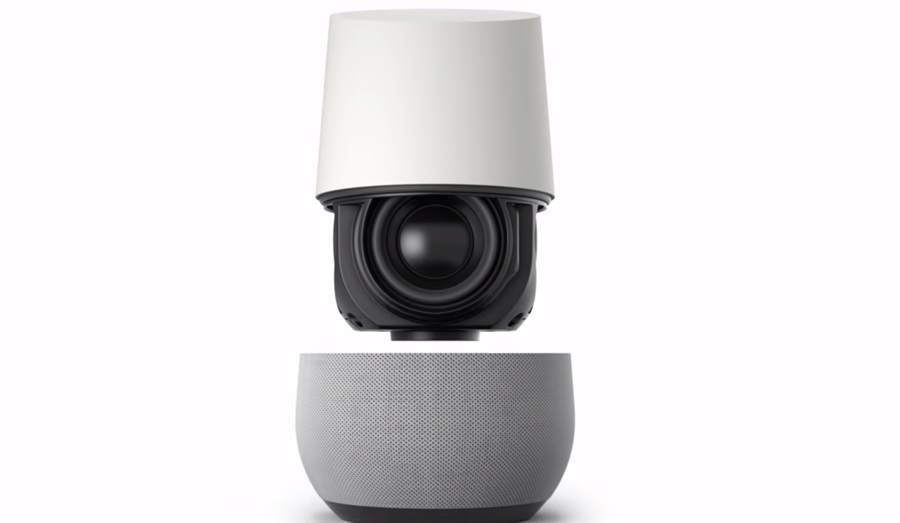
One of the many things that make Google Home a great product is that it offers convenience above anything else. Now, the Mountain View-based company will be rolling out a new feature that would enhance the smart speaker experience.
Google Home is now capable of making and receiving calls through Google Duo, allowing users to make calls from their smartphones to the smart speaker by voice commands. To take advantage of this useful feature, you’d have to set up everything first.
First, head over to the Services menu on the Settings of the Google Assistant App. Then, click Voice and Video Calls and select Video and Voice Apps. From there, you can link Duo to Google Assistant, with options on the bottom that will allow users to enable the feature on other smart speakers in the house. And that’s it, your Google Home is now set up, IBT reported.
How to bypass Google Home’s restriction
It should be noted, however, that the company said that this feature would only be available for users based in the United States. But others have already reported that you can bypass this by changing Google Home’s primary language to English.
Another useful feature of the device is that the Google Home is able to transfer music to Nest smart speakers. The bad news is that third-party speakers will not be able to take advantage of this as the company only allows Google-branded products to access the feature.
Fortunately, the tech giant has confirmed to CNET that it will bring the functionality to third-party products in the future. The company is also looking for ways to transfer music from Google Home to a smartphone.
Fixing Google Home’s voice command
As for anyone who’s having trouble with voice commands, the problem can be fixed by retraining Google Home to one’s voice. To do this, simply head over to the Google Home App and select the personal icon on the lower right-hand side.
Scroll down and choose More Settings. Then, go to voice match and retrain the Assistant to recognize your voice. And just by doing these steps, your Google Home will be back to normal. With all these additions being added to the smart speaker, the device is becoming more ubiquitous worldwide, which is unsurprising given the host of functionalities that it offers.







