


 US Suspends Microsoft, Adobe From Green Card Program
  DaVoice Sues Perplexity AI Over Trade Secrets
  Najib Razak Seeks Stay of 15-Year 1MDB Prison Sentence
  Trump Opens Tax-Exempt Dyed Diesel Access as Fuel Prices Surge
  Tencent Shares Fall as $5 Billion AI Bond Sale Weighed
  CNN, Politico and MS NOW Seek Court Order Blocking Trump White House Ban
  Crypto Rallies as CLARITY Act Failure Opens Door to Faster SEC Rules
  ICC Rules Duterte Fit to Stand Trial in Drug War Case
  Mexico Bars Dual Citizens From Presidential Races Starting in 2028
  TikTok Accused of Testing Fake Safety Tools on Users
  Marvell Stock Surges on $90 Billion AI Revenue Outlook
  David Schwartz to Reveal XRP Ledger Future at Ripple Swell 2026
  TikTok Reaches $100 Million Alabama Settlement Over Child Safety Claims
  DogecoinVM Makes DOGE Transactions 300x Faster
  US Waives $320M Egypt Military Aid Conditions After Iran War Role
  Amazon Cuts More Jobs as AI Investment Expands


 Add as a preferred source on Google
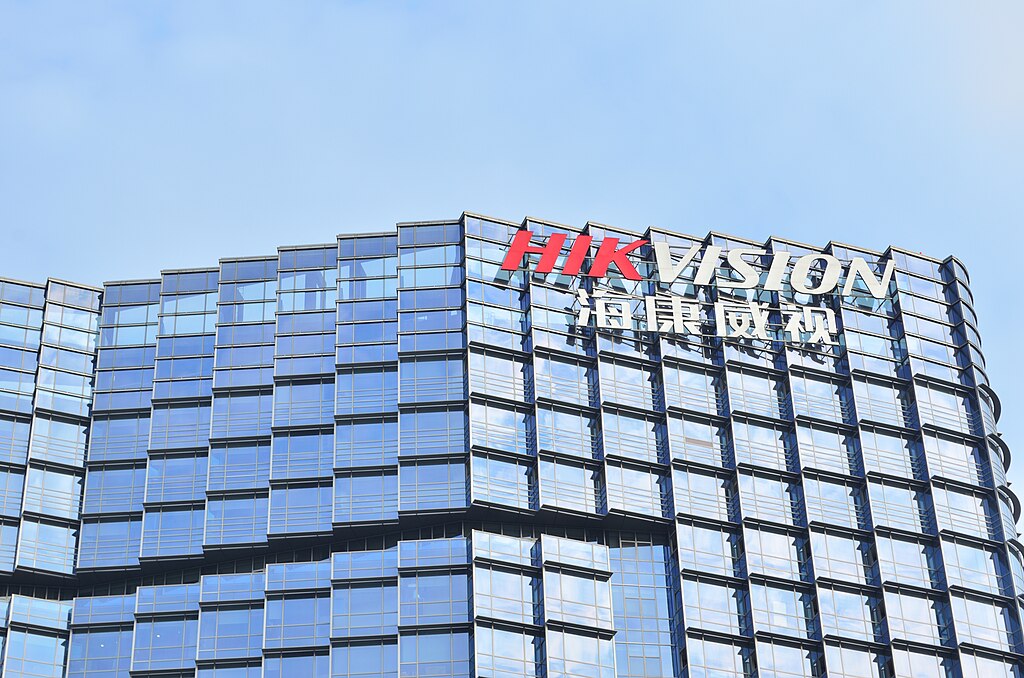
Chinese technology manufacturer Hikvision announced that its U.S. subsidiary has filed a legal challenge against a recent Federal Communications Commission (FCC) rule aimed at strengthening restrictions on telecom equipment linked to national security risks. The move comes after the FCC’s unanimous October vote to block new approvals for devices containing components from companies on its “Covered List,” which includes Hikvision, Huawei, ZTE, China Mobile, and China Telecom.
Hikvision said in its petition for judicial review that the FCC overstepped its authority by seeking to retroactively limit previously authorized equipment without adequate legal or evidentiary justification. The company argues that the decision undermines the stability of the regulatory environment and threatens the rights of its U.S. customers, partners, and existing market presence. The FCC has not yet issued a comment regarding the filing.
The updated FCC rule allows the agency not only to prohibit new equipment authorizations from listed Chinese firms but also to restrict certain devices that had already been approved. In October, FCC Chairman Brendan Carr revealed that major U.S. online retailers had removed millions of listings for unauthorized or prohibited Chinese electronics, including home security cameras and smartwatches from brands such as Huawei, Hikvision, ZTE, and Dahua Technology.
Hikvision, a leading global supplier of video surveillance systems, security cameras, and network transmission equipment, continues to face heightened scrutiny in the United States. Earlier in February, a U.S. appeals court denied Hikvision’s attempt to overturn a 2022 FCC ban on approvals for new surveillance and telecommunications products.
The FCC has escalated its national security efforts in recent years, including moves to revoke operating authorizations for Chinese telecom carriers in the U.S. and withdraw recognition of testing laboratories owned or controlled by the Chinese government. These measures reflect Washington’s broader push to limit potential security vulnerabilities associated with foreign-made telecom and surveillance technologies.







