


 US Stock Futures Slide as Iran Conflict Escalates Ahead of Key Q2 Earnings Week
  UBS Starts CarTrade Tech With Buy Rating, Sees Strong Earnings Growth and ₹4,000 Target
  China Trade Surplus Hits $125.6 Billion as June Exports, Imports Smash Forecasts
  Gold Prices Fall as US-Iran Conflict, Rising Oil Prices Fuel Fed Rate Concerns
  Apple Sues OpenAI, Former Employees Over Alleged Trade Secret Theft
  SpaceX Stock Draws Bullish Wall Street Coverage Ahead of Nasdaq-100 Inclusion
  Iraq PM Visits Washington as U.S. Oil, Gas Deals Take Center Stage
  Fast Retailing Raises Full-Year Forecast After Uniqlo Owner Beats Q3 Profit Estimates
  Samsung Chairman Lee Jae-yong Expected to Meet Nvidia CEO Jensen Huang on AI and Chip Partnership
  LG Energy Solution Q2 Profit Plunges 77% Despite Revenue Growth on Weak EV Demand
  Deutsche Bank Sees Global Capital Shifts Reshaping Long-Term U.S. Dollar Outlook
  OpenAI GPT-5.6 Set for Wider Release After U.S. Commerce Approval, Report Says
  Fed Reaffirms 2% Inflation Goal, Vows Forceful Action to Anchor Price Expectations
  Bain Capital Exits Kioxia After AI-Fueled Valuation Surge
  DOJ Grand Jury Investigates UAW President Shawn Fain Ahead of Union Election
  EU Weighs New Trade Restrictions on Israeli West Bank Settlements
  Mastercard Explores Sale of Majority Stake in UK Payments Firm Vocalink: Report


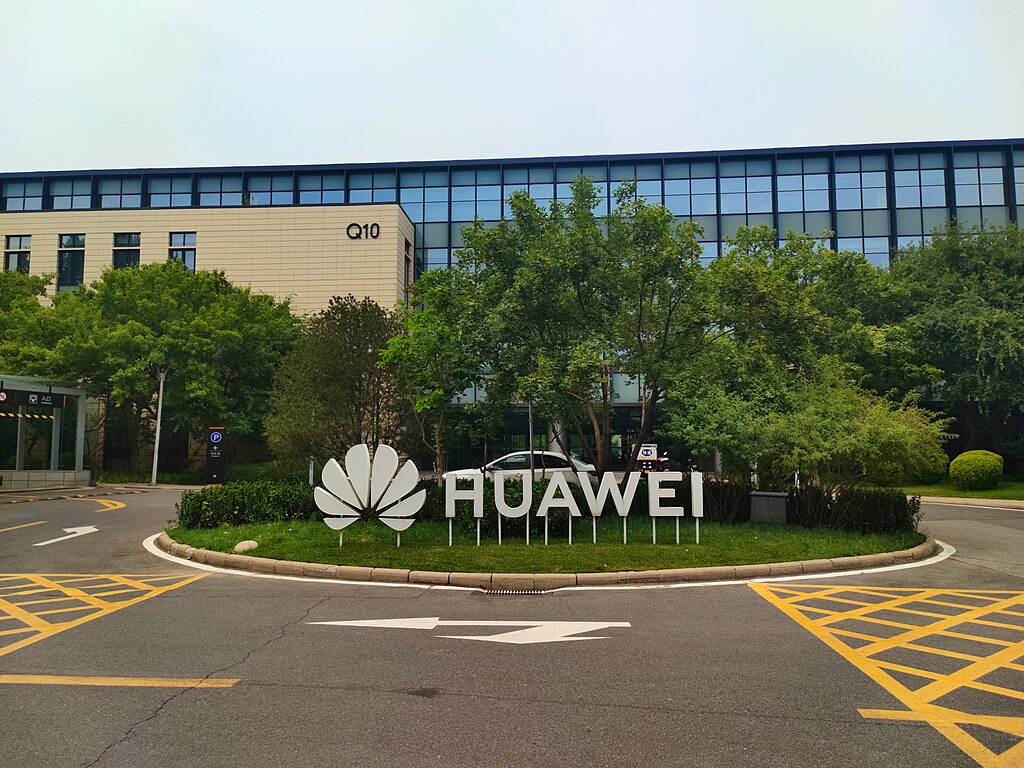
Chinese semiconductor stocks surged Monday after Huawei announced a major breakthrough in advanced chip technology, fueling optimism about China’s push for semiconductor self-sufficiency amid ongoing U.S. export restrictions.
Huawei revealed that its next-generation high-end chips could achieve transistor density comparable to 1.4-nanometer processes within the next five years. The company introduced a new “Tau Scaling Law,” a strategy focused on improving chip performance through overall system efficiency instead of relying only on shrinking transistor sizes.
The tech giant also unveiled its new “LogicFolding” chip architecture, which is expected to appear in future Kirin processors later this year. According to Huawei, the design dramatically reduces internal chip wiring distances, improving performance, power efficiency, and processing speed.
The announcement triggered a strong rally across China’s semiconductor sector. Shares of Semiconductor Manufacturing International Corp. (SMIC) jumped more than 17% in Shanghai trading. Cambricon Technologies climbed nearly 10%, while Piotech Inc gained over 18%.
Other notable gainers included Hwatsing Technology, which rose 8%, Shenzhen Fastprint Circuit Tech, up 6%, and Qingdao Yunlu Advanced Materials Technology, which advanced 9%.
Investor confidence in China’s chip industry has strengthened significantly in recent months as domestic companies accelerate efforts to reduce dependence on U.S. technology firms, especially NVIDIA. Tightened U.S. sanctions and export controls on advanced AI chips have encouraged Chinese developers to seek local alternatives.
Huawei’s Ascend AI processors are increasingly becoming a preferred option for Chinese artificial intelligence companies, including AI startup DeepSeek. Analysts believe Huawei’s latest chip innovations could further strengthen China’s semiconductor ecosystem and reduce reliance on foreign technology suppliers.
The latest developments also highlight China’s growing focus on advanced semiconductor manufacturing, AI chip development, and domestic innovation as the global tech rivalry between China and the United States intensifies in 2026.







