


 Prince Harry Opens Up About Fatherhood and Mental Health During Australia Visit
  Colombia Softens 100% Tariff on Ecuador With Smart Subsidies
  U.S.-Iran Nuclear Talks in Islamabad End Without Deal, But Dialogue Continues
  US Military Strikes Narco Vessels in Eastern Pacific, Killing Six
  U.S. and Iran Eye Second Round of Nuclear Talks Amid Ceasefire Deadline
  Poll: Israelis Split on Iran Ceasefire as Netanyahu's Approval Declines
  Prince Harry and Meghan Return to Australia for Mental Health and Veterans-Focused Tour
  Trump Says Iran War "Very Close to Over" as Ceasefire Holds
  King Charles to Meet Trump During U.S. State Visit Amid UK-US Tensions
  U.S. Sanctions Mexican Human Rights Activist Over Alleged Cartel Ties
  Trump’s exchange with Pope Leo reflects deep-rooted tensions between the Vatican and the United States: 4 essential reads
  Trump Nominates Korean-American Michelle Steel as U.S. Ambassador to South Korea
  North Korea Tests Missiles From New Destroyer Under Kim Jong Un's Watch
  Trump Administration Fires Immigration Judges Who Blocked Pro-Palestinian Student Deportations
  South Africa Appoints Roelf Meyer as New U.S. Ambassador Amid Diplomatic Tensions
  Erica Schwartz Reportedly Tapped to Lead the CDC Under Trump Administration
  U.S. Blockade of Iran Begins as Nuclear Talks Collapse in Islamabad


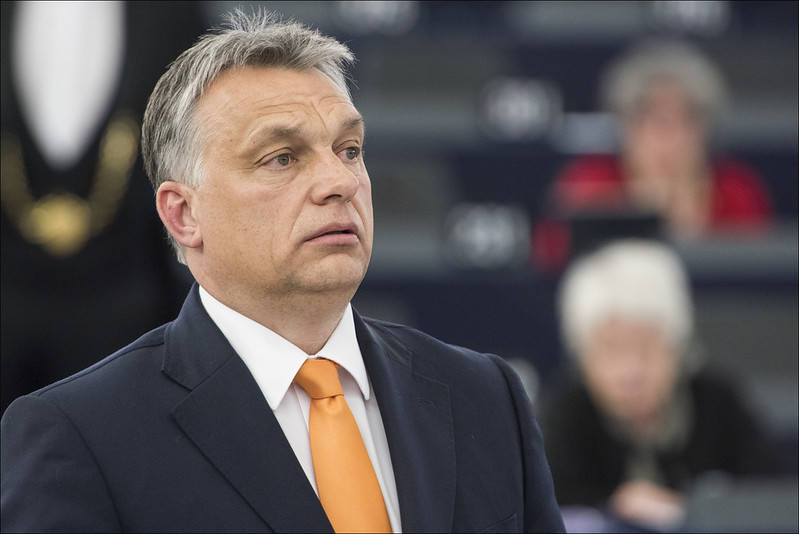
Viktor Orban's stunning electoral defeat marks a significant turning point for Europe's nationalist movement. After 16 years in power, Hungary's populist prime minister lost to pro-EU challenger Peter Magyar, a loss widely attributed to public frustration over economic decline, rampant corruption, and democratic backsliding.
Orban had long served as the ideological anchor of the European far right. His government became a working model for nationalist leaders across the continent and beyond, demonstrating how illiberal policies — including media suppression, anti-immigration legislation, and restrictions on LGBTQ rights — could be institutionalized within a democratic framework. Leaders from Donald Trump's MAGA movement to Russian President Vladimir Putin openly admired his approach, and Budapest became a hub for right-wing political tourism and networking.
His tight alignment with the Trump administration, however, may have accelerated his downfall. Analysts note that Trump's controversial foreign policy moves — including threats against Greenland and military tensions with Iran — fueled deep anti-American sentiment across Europe, making Orban's close ties a political liability rather than an asset.
Beyond domestic governance, Orban invested heavily in exporting his ideology. Through institutions like the Mathias Corvinus Collegium and the Danube Institute, his government channeled over a billion dollars into organizations that promoted far-right ideas internationally, forging connections with influential American groups including the Heritage Foundation and the America First Policy Institute.
Despite his exit, European far-right allies remain confident. France's National Rally is polling strongly ahead of upcoming presidential elections, and Portugal's Chega party recently became its parliament's second-largest force.
While Orban's defeat removes a powerful figurehead and a well-funded political infrastructure from the far-right network, the movement he helped build is unlikely to dissolve. The ideas he championed have already taken root far beyond Hungary's borders.







