


 Super Micro Shares Slide After Taiwan Raids Over Alleged Nvidia AI Chip Smuggling Probe
  Anthropic Tightens AI Access Controls After Reports of China-Based Workarounds
  Texas Man Charged After Fatal Tesla Full Self-Driving Crash in Katy
  Australia Sues Amazon Over Prime Video Ads and Subscription Terms
  Apple Eyes Chinese Memory Chips as AI Shortage Pressures iPhone Supply Chain
  SK Holdings, KKR Launch $1.3B Renewable Energy Venture in South Korea
  Smartphones are helping filmmakers tell the stories the movie industry overlooks
  Kuaishou Stock Jumps as Kling AI Secures $2 Billion Funding Round
  Suncorp Cuts 2026 Premium Growth Forecast as Australia, New Zealand Markets Weaken
  SoftBank’s LY Corp, Bain Raise Kakaku.com Bid to ¥670 Billion, Intensifying Takeover Battle
  Apple Expands iPhone Lineup, Boosts Foldable iPhone Production Plans Through 2027
  Super Micro Employees Detained in Taiwan AI Server Export Investigation
  The government is ‘doubling down’ on its social media ban. But bigger penalties for platforms aren’t enough
  Kioxia Bets on AI Memory Boom With Next-Gen NAND Production in Japan
  Trump Administration to Launch Voluntary AI Standards for Frontier Models


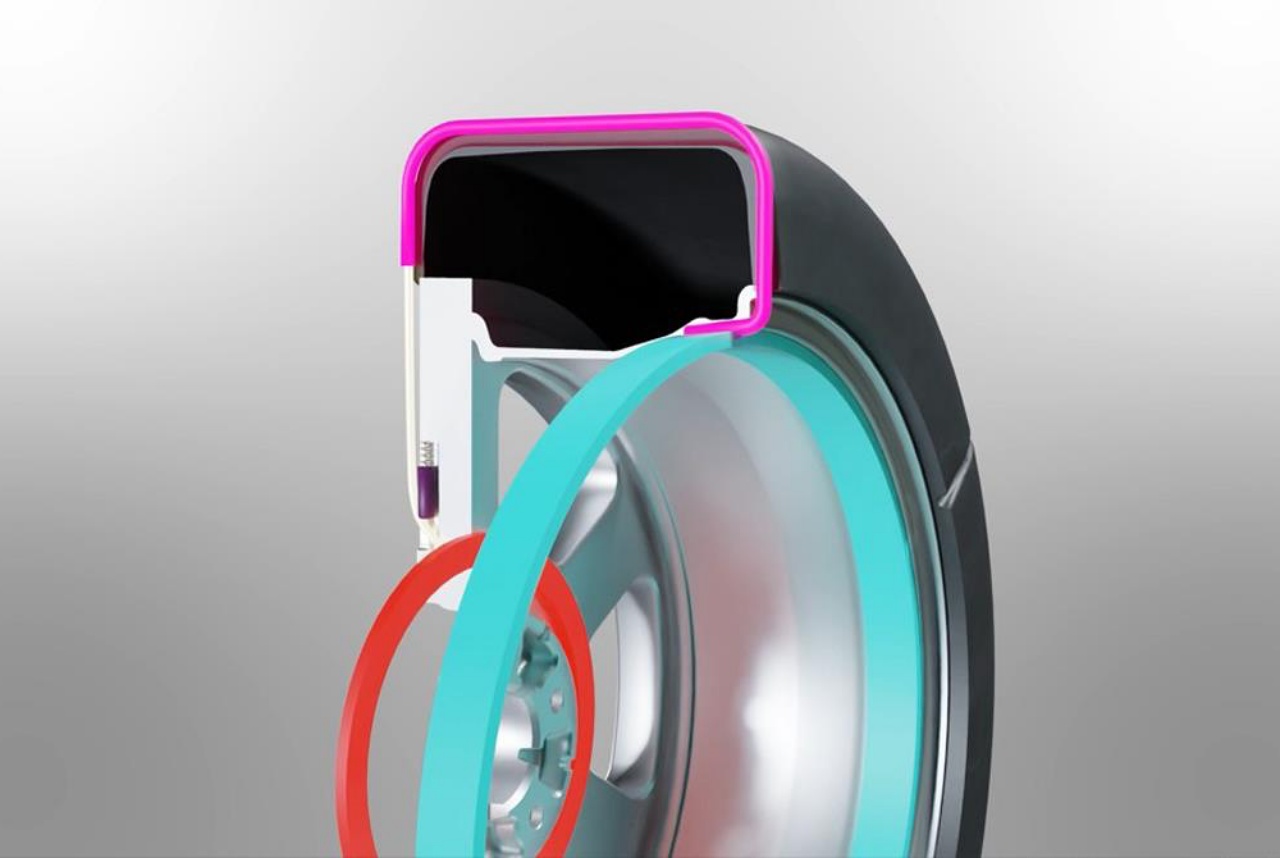
Hyundai Motor Company and Kia announced they have developed a special tire designed for roads during the winter season. They created the snow chain-integrated tire technology to boost safety while driving through slippery winter roads.
For their new tire innovation, Hyundai Motor and Kia said they used shape memory alloy modules that are integrated inside the wheel and the tire.
How the Snow Chain-Integrated Technology Works
The new tire innovation consists of a wheel and tire assemblage that features radial grooves at regular gap spaces. Inserted between these channels are modules made of shape memory alloy.
According to Korea Joongang Daily, once the driver presses the button, the modules will immediately jut out and will serve as a "snow chain." In normal driving conditions, the shape memory alloy inside the wheel is squeezed into the letter "L" shape and does not touch the surface of the road.
But when the driver deploys or activates the function, the shape memory alloy will form into a "J" letter shape and push the module out of the tire so it can touch the road's surface. This will enhance the tire's grip and stability, making the drive through the snow or icy road safer for drivers.
Having these snow chain-integrated tires developed by Hyundai Motor and Kia gets rid of the inconvenience of putting the snow chains on the tires every time the road is slippery or has snow on it.
"This innovation, which will hopefully be introduced on Hyundai and Kia vehicles someday, reflects our commitment to turning advanced technologies into real-world solutions that benefit customers," Hyundai Motor's head of Advanced Chassis Development Team, Park Joon Mo, said in a press release. "We will continue to develop technologies that enhance the safety and convenience of our vehicles and bring value to our customers."
Patent for the New Winter Tire Technology
Meanwhile, as this is a new creation, Hyundai Motor and Kia have applied for patents for the innovative snow tire technology. The companies filed their patent application in both South Korea.
The automakers are set to discuss the mass production of this new product after further technical development and tests to check its durability and overall performance. Regulatory reviews are also needed before Kia and Hyundai can proceed with the manufacturing in large quantities.
Photo by: Kia Media Center







