


 Fairshake Backs 32 Pro-Crypto House Candidates
  US DOT Ends Airline Privacy Review Without Enforcement
  US-Led Coalition Targets Global Factory Overcapacity
  Mexico Bars Dual Citizens From Presidential Races Starting in 2028
  Circle Urges EU to Revise MiCA Stablecoin Rules
  US Treasury Drops Crypto Wallet Tracking Plan
  Lula Weighs Alckmin as Finance Minister to Boost Fiscal Credibility
  Israel Tightens Pilot Security After Flydubai Incident
  Crypto Lobbying Hits $13M as Clarity Act Stalls
  Houthis Strike Aden Airport as Yemen Fighting Escalates
  New York Declares Measles Disaster Emergency as Cases Surge
  CFTC Moves to Set New Crypto Rules After CLARITY Act Failure
  France to Release 10 Million Barrels of Diesel to Ease Fuel Prices
  Zelenskiy Warns Russia Is Preparing Massive Attack on Ukraine
  Tsai Warns of China’s Sustained Pressure on Taiwan
  Russia Targets Danish Ukraine Suppliers in Sabotage Campaign


 Add as a preferred source on Google
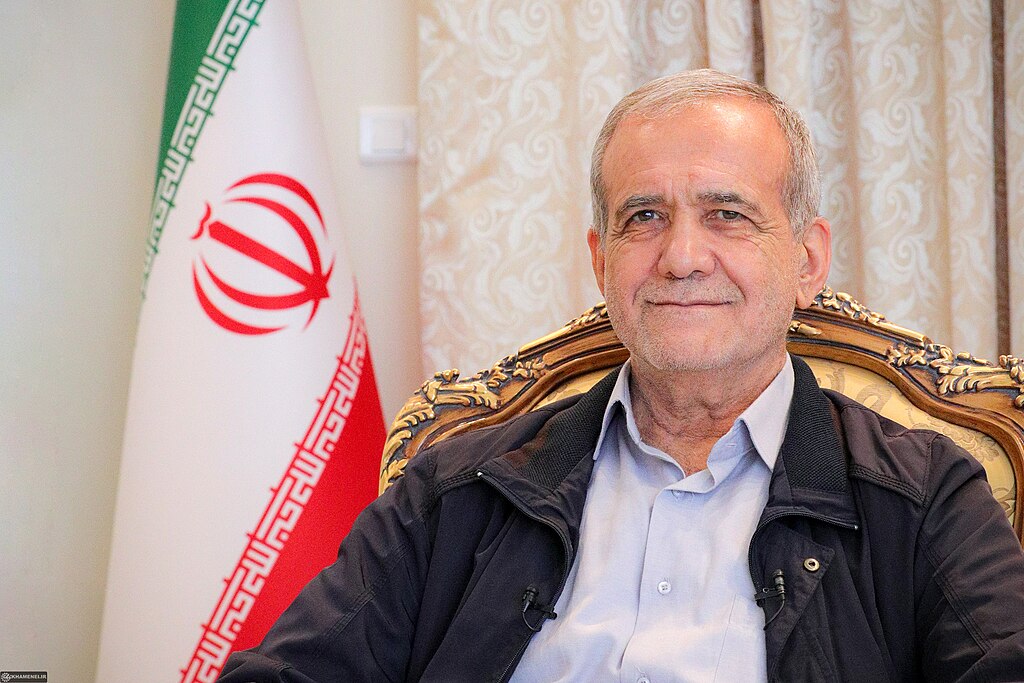
Iranian President Masoud Pezeshkian has officially ordered the restoration of international internet access after nearly 90 days of severe restrictions that isolated millions of citizens from the global web. Iranian state media confirmed the decision on Monday, citing a senior official from the country’s Communications Ministry.
The move comes after one of the longest internet blackouts in Iran’s recent history, which began during nationwide anti-government protests on January 8. Although internet services briefly improved in February, authorities imposed another shutdown following U.S. and Israeli military strikes against Iran on February 28. Since then, most residents have struggled to access global websites, social media platforms, and online communication tools.
According to internet monitoring organization NetBlocks, the majority of Iranians remained disconnected from the worldwide internet for 87 consecutive days. Only a limited number of users with advanced and costly VPN services were reportedly able to bypass government restrictions and maintain partial access to international websites.
While the Iranian government has now approved reopening internet connectivity, officials have not yet explained how or when full access will be restored nationwide. The uncertainty has raised concerns among citizens and digital rights groups, especially as Iran continues to maintain strict online censorship policies.
Even during normal periods, internet freedom in Iran remains heavily controlled. Many foreign websites and social media platforms are blocked, and authorities increasingly depend on a domestic intranet system to deliver essential services. Schools and educational institutions, for example, currently rely on government-controlled online learning platforms instead of unrestricted internet access.
The decision to reconnect Iran to the global internet could significantly impact communication, business operations, education, and public access to information. However, experts believe the country’s broader internet censorship policies are unlikely to disappear entirely despite the latest reopening order.







