


 U.S.-Iran Ceasefire Under Pressure Ahead of Pakistan Peace Talks
  FAA and Pentagon Approve Laser Counter-Drone System Along U.S.-Mexico Border
  Trump's Gaza Peace Plan Stalls as Billions in Pledged Funding Fails to Materialize
  Trump's Iran Ceasefire Deal: What Really Happened Behind the Scenes
  Pilots Fear Retaliation for Refusing Middle East Flights Amid Ongoing Conflict
  Pentagon Defies Court Order on Press Access, Judge Rules
  MATCH Act: How New U.S. Chip Legislation Could Freeze China's Semiconductor Ambitions
  Trump's 250-Foot Triumphal Arch Design Unveiled for Washington D.C.
  Iran-US Peace Talks Begin in Islamabad Amid Ceasefire Tensions
  Epstein Files: Key Figures Named in DOJ Document Release
  Venezuela's Delcy Rodriguez Makes First Foreign Trip to Grenada Since Taking Office
  Netanyahu Seeks Lebanon Peace Talks Amid Ceasefire Fragility and Strait of Hormuz Crisis
  Iran Denies Negotiating Team Traveled to Pakistan for U.S. Talks Amid Ceasefire Uncertainty
  Trump Vows to Reopen Strait of Hormuz Amid Historic Energy Crisis
  Melania Trump Denies Epstein Ties, Calls for Congressional Hearings
  Gaza Airstrike Kills Six at Bureij Camp Police Checkpoint


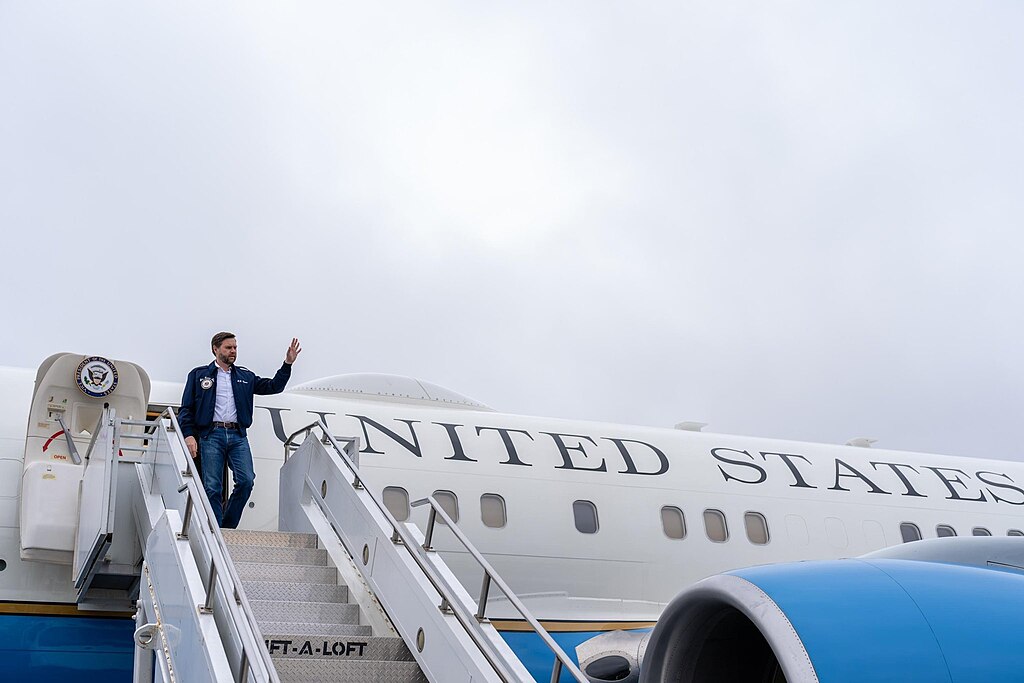
JD Vance is set to lead U.S. diplomatic negotiations with Iranian officials in Islamabad on Saturday, marking the first direct talks between the two nations since the war erupted on February 28. His involvement comes after Tehran quietly pushed for the vice president to take a central role, viewing him as one of the most peace-oriented figures in President Trump's inner circle.
Multiple sources familiar with the negotiations say Iran believes Vance is more likely than other Trump allies to pursue a genuine agreement. His long-standing anti-war reputation has shaped Tehran's confidence that he could approach the discussions in good faith. However, analysts caution there is no evidence he would take a softer stance than any other White House representative, especially given Trump's open threats to resume military strikes if talks collapse.
Vance will be accompanied by Jared Kushner and special envoy Steve Witkoff, both of whom Iranian officials reportedly distrust following two failed rounds of prior negotiations. Iranian parliamentary Speaker Mohammed Bager Qalibaf and Foreign Minister Abbas Araqchi will represent Tehran. Notably, some White House insiders had themselves identified Qalibaf as a pragmatic negotiating partner.
The political stakes are significant. With midterm elections approaching and public frustration mounting over rising gas prices and civilian casualties, the Trump administration needs a viable exit strategy. For Vance, a leading 2028 presidential contender, a successful deal could boost his profile — but failure risks tying him more closely to a prolonged and unpopular conflict.
Deep divisions remain between both sides, particularly over Iran's nuclear enrichment program, which Washington considers non-negotiable. The Strait of Hormuz also remains largely closed despite a fragile ceasefire. Vance acknowledged the complexity ahead, saying the U.S. is willing to extend an open hand — but only if Iran reciprocates sincerely.







