


 South Korea Assures U.S. on Trade Deal Commitments Amid Tariff Concerns
  Trump Signs Executive Order Threatening 25% Tariffs on Countries Trading With Iran
  Dollar Near Two-Week High as Stock Rout, AI Concerns and Global Events Drive Market Volatility
  Thailand Inflation Remains Negative for 10th Straight Month in January
  South Africa Eyes ECB Repo Lines as Inflation Eases and Rate Cuts Loom
  Silver Prices Plunge in Asian Trade as Dollar Strength Triggers Fresh Precious Metals Sell-Off
  Russian Stocks End Mixed as MOEX Index Closes Flat Amid Commodity Strength
  Trump’s Inflation Claims Clash With Voters’ Cost-of-Living Reality
  Japanese Pharmaceutical Stocks Slide as TrumpRx.gov Launch Sparks Market Concerns
  Fed Governor Lisa Cook Warns Inflation Risks Remain as Rates Stay Steady
  Trump Endorses Japan’s Sanae Takaichi Ahead of Crucial Election Amid Market and China Tensions
  Global Markets Slide as AI, Crypto, and Precious Metals Face Heightened Volatility
  U.S. Stock Futures Slide as Tech Rout Deepens on Amazon Capex Shock
  Vietnam’s Trade Surplus With US Jumps as Exports Surge and China Imports Hit Record
  India–U.S. Interim Trade Pact Cuts Auto Tariffs but Leaves Tesla Out
  China Extends Gold Buying Streak as Reserves Surge Despite Volatile Prices
  Gold and Silver Prices Slide as Dollar Strength and Easing Tensions Weigh on Metals


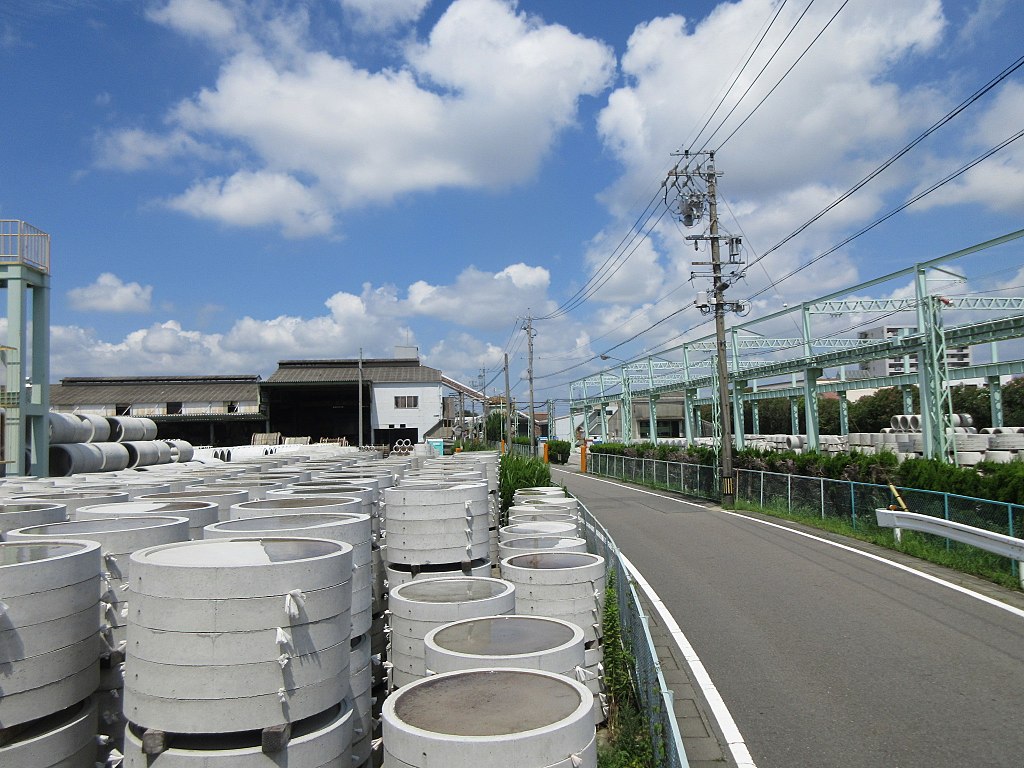
Japan’s manufacturing activity showed signs of stabilization in December, ending a five-month period of contraction, as demand declined at a slower pace, according to the latest private-sector survey. The S&P Global Japan Manufacturing Purchasing Managers’ Index (PMI) rose to 50.0 in December from 48.7 in November, reaching the critical break-even level that separates expansion from contraction. This improvement suggests that conditions in Japan’s manufacturing sector have stopped deteriorating, even though growth momentum remains fragile.
According to S&P Global Market Intelligence, Japan’s manufacturing industry stabilized toward the end of the year as declines in new orders eased. While overall demand remained subdued, the pace of contraction in new orders was the softest since May 2024. Some manufacturers reported improved sales performance, supported by new project launches and stronger-than-expected customer spending, indicating pockets of resilience within the sector.
Performance varied across manufacturing segments. Consumer goods and investment goods producers reported improved business conditions, reflecting relatively firmer domestic demand. In contrast, intermediate goods manufacturers continued to struggle, highlighting uneven recovery dynamics within Japan’s industrial landscape. Export-oriented manufacturers also faced challenges, as new export orders declined for another month, albeit at a slower pace than in November. Weak demand from Asia, particularly in the semiconductor sector, weighed on overseas sales.
Looking ahead, business sentiment for the next 12 months softened slightly from November but remained above the survey’s long-term average. Manufacturers expressed cautious optimism, with expectations that new product releases and stronger demand in key industries such as automobiles and semiconductors could support sector performance in 2026. However, firms also cited downside risks, including a sluggish global economy, Japan’s ageing population, and rising production costs.
Cost pressures intensified in December, as input prices rose at their fastest pace since April. Higher raw material, labor, and transportation costs, combined with the weaker yen, contributed to inflationary pressures. Despite these challenges, staffing levels increased for the 13th consecutive month, suggesting companies remain confident in longer-term demand prospects. Meanwhile, the Bank of Japan’s recent interest rate hike to levels not seen in three decades adds another layer of uncertainty for manufacturers navigating the evolving economic environment.













