


 Trump Backs Florida Golf Course as Presidential Retreat
  ICC Rules Duterte Fit to Stand Trial in Drug War Case
  Crypto Rallies as CLARITY Act Failure Opens Door to Faster SEC Rules
  US Government Moves $1 Billion in Bitcoin Amid Sale Speculation
  Maduro, Wife May Face New US Torture Charges
  Iran Refuses to Halt Uranium Enrichment Amid US Nuclear Demands
  Trump Orders Firing Squad Execution for Fort Hood Gunman
  Italy Approves Electoral Reform Ahead of 2027 Election
  France to Release 10 Million Barrels of Diesel to Ease Fuel Prices
  Russia Targets Danish Ukraine Suppliers in Sabotage Campaign
  Lincoln University Students Sue Missouri Over Decades of Underfunding
  Pentagon Orders Iran Strike Preparations as Trump Weighs Military Action
  Australia Probes Flydubai Co-Pilot’s Links After FZ1073 Hijack Attempt
  US-Taiwan Ties Remain Strong as Taipei Urges Timely Arms Deliveries
  Berlin Coalition Talks Advance After Left Party Antisemitism Deal
  US Grants Aurora Five-Year Exemption for Self-Driving Trucks
  Illinois Delays Crypto Tax Law Until July 2027


 Add as a preferred source on Google
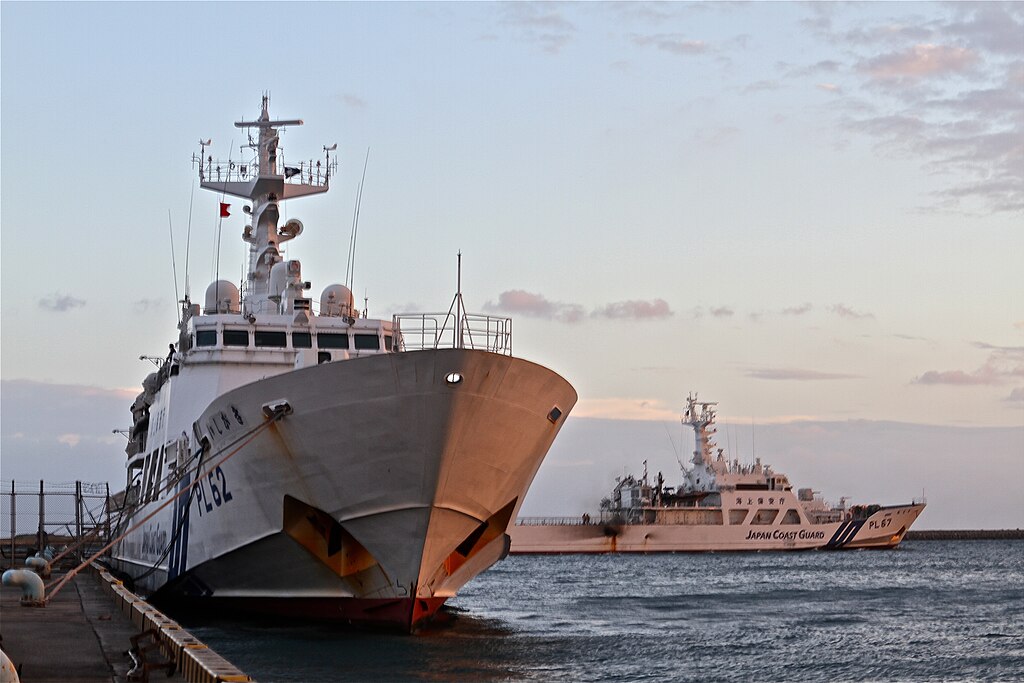
A 76-year-old Japanese fisherman, Hitoshi Nakama, has long seen himself as a frontline defender of Japan’s claims over the disputed Senkaku Islands in the East China Sea. For years, Nakama and other fishermen regularly sailed into the waters around the uninhabited islands—known as Diaoyu in China—both to fish and to symbolically assert Japan’s territorial control. However, since late last year, Japanese officials have quietly urged fishermen to avoid the area, signaling a notable shift in Tokyo’s approach amid rising tensions with Beijing.
According to Nakama and others familiar with the matter, the requests came as relations between Japan and China deteriorated following comments by Prime Minister Sanae Takaichi on a potential Chinese attack on Taiwan. The islands, administered by Japan but claimed by China and Taiwan, have long been a flashpoint, and Japanese authorities now appear increasingly concerned that even minor maritime incidents could escalate into a broader diplomatic or military confrontation. While Japan’s foreign ministry reiterated that the Senkaku Islands are an inherent part of Japanese territory, it declined to comment on specific requests made to fishermen.
The situation presents a strategic dilemma for Japan. Fishing activity helps demonstrate effective control over the islands, yet it also risks confrontations with Chinese coast guard vessels, which have increased their presence in the area. Chinese officials accuse Japanese nationalists of using fishing as a pretext to provoke trouble, while the United States has warned against unilateral actions that could change the status quo in the East China Sea. Any clash could potentially draw Washington into the dispute under its security treaty with Japan.
Despite official caution, fishermen like Nakama remain determined. The waters around the islands are rich in fish such as red snapper, providing a significant source of income. Supporters argue that a complete withdrawal could embolden China to assert its claims more aggressively. With Chinese coast guard ships reportedly present near the islands on a record number of days last year, the balance between economic activity, national sovereignty, and regional stability remains fragile—and fishermen continue to find themselves at the center of a high-stakes geopolitical contest.







