


 Australia Consumer Sentiment Rises in July as Fuel Price Relief Lifts Confidence
  Fed Reaffirms 2% Inflation Goal, Vows Forceful Action to Anchor Price Expectations
  Goldman Sees Foreign Investors Driving India Stock Market Recovery
  South Korea Central Bank Set to Raise Interest Rates as Inflation Stays Elevated
  European Stocks Slip as Middle East Tensions and Hormuz Threat Rattle Markets
  Dollar Rises as Middle East Conflict Fuels Inflation and Rate Hike Fears
  Oil Prices Jump as U.S.-Iran Conflict and Strait of Hormuz Tensions Shake Global Markets
  Australian Business Conditions Hold Steady as Easing Cost Pressures Face New Oil Price Risks
  Iraq PM Visits Washington as U.S. Oil, Gas Deals Take Center Stage
  US Stock Futures Slide as Iran Conflict Escalates Ahead of Key Q2 Earnings Week
  Deutsche Bank Sees Global Capital Shifts Reshaping Long-Term U.S. Dollar Outlook
  Gold Price Holds Near $4,000 as Middle East Tensions and Fed Rate Hike Bets Grow
  BOJ May Raise Japan Growth Forecast While Keeping Focus on Inflation Risks
  Asia Stocks Slip as Iran-Hormuz Tensions Lift Oil Prices, Dollar and Bond Yields
  US-Iran Strikes Escalate as Strait of Hormuz Crisis Pushes Oil Prices Higher


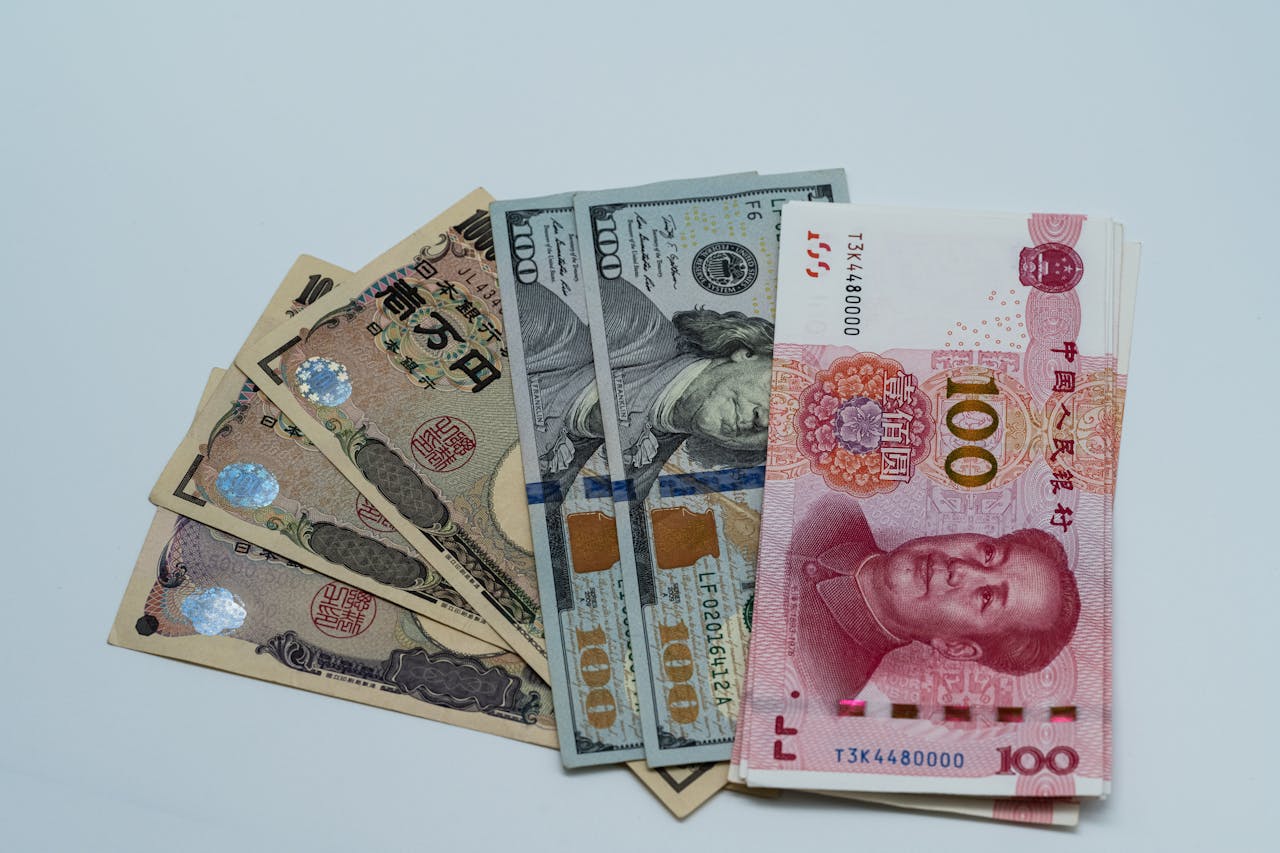
The Japanese yen held steady on Tuesday as investors remained alert to the possibility of currency intervention from Tokyo, while most Asian currencies traded in narrow ranges ahead of closely watched U.S. inflation data that could shape the Federal Reserve's next interest rate decision.
The U.S. dollar remained firm before the release of June consumer price index (CPI) figures and comments from Federal Reserve Governor Christopher Waller. Rising geopolitical tensions in the Middle East also supported the greenback by pushing oil prices higher and reviving concerns that inflation could remain elevated.
President Donald Trump announced that the United States would reinstate a naval blockade on Iran and maintain security in the Strait of Hormuz, fueling another rise in crude oil prices and adding to inflation concerns across global markets.
The USD/JPY pair traded near 162.3, while the U.S. Dollar Index hovered around 101.2 as traders avoided making major bets before key U.S. economic data.
Attention remained focused on Japan after Finance Minister Satsuki Katayama said the Government Pension Investment Fund could review its portfolio allocation if needed as policymakers seek to make yen-denominated assets more attractive. She also suggested allowing Japanese government bonds to be purchased through the country's tax-advantaged NISA investment program, reinforcing expectations that authorities are increasingly uncomfortable with the yen's weakness.
Bank of America noted that market sentiment toward the yen is the most bearish since 2022, while CFTC data show leveraged funds hold the largest net short yen positions since 2007. Analysts believe the government's latest comments suggest officials are nearing their tolerance limit for both the currency and Japanese government bonds.
Elsewhere, Asian currencies posted mixed performances. The South Korean won and Taiwan dollar strengthened modestly, while Australia's dollar was little changed despite improved consumer and business confidence data. China's yuan remained stable after stronger-than-expected trade figures showed exports jumped 27% and imports rose 36% in June. The Indian rupee weakened ahead of inflation and trade data, while the Singapore dollar held steady following stronger-than-expected second-quarter GDP. Meanwhile, the New Zealand dollar outperformed after Reserve Bank of New Zealand Chief Economist Paul Conway warned persistent inflation and renewed Middle East tensions could require further monetary tightening.







