


 US Waives $320M Egypt Military Aid Conditions After Iran War Role
  San Francisco Halts New Data Center Construction With 45-Day Moratorium
  US Suspends Microsoft, Adobe From Green Card Program
  Evan Gershkovich Says FSB Set Trap for 2023 Russia Arrest
  UK Sanctions Crypto Exchanges Linked to Russia
  Trump Buys Up to $25M in Meta Stock, Invests in SpaceX Debt
  Trump Administration Prepares Sanctions Against Entire ICC
  US Treasury Drops Crypto Wallet Tracking Plan
  US Supreme Court Revives Trump Administration Voter Citizenship Database
  Paramount Skydance Faces $30 Million Film Penalty in Warner Bros. Deal
  US Conducts Non-Nuclear Explosion Test to Boost Nuclear Detection
  Trump Backs Florida Golf Course as Presidential Retreat
  Trump Plans Diesel Tax Relief as Fuel Prices Hit Record Highs
  Mike Rogers Calls for End to US-Canada Tariff War
  Circle Urges EU to Revise MiCA Stablecoin Rules
  Crypto Rallies as CLARITY Act Failure Opens Door to Faster SEC Rules
  US DOT Ends Airline Privacy Review Without Enforcement


 Add as a preferred source on Google
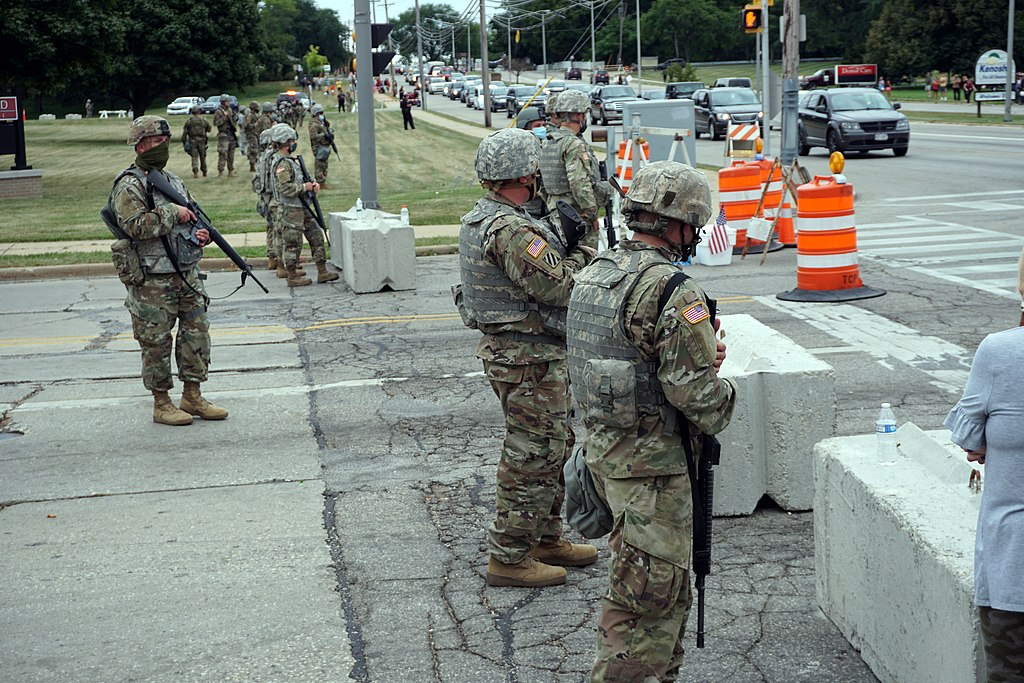
A federal judge has issued a temporary halt to President Donald Trump’s plan to deploy National Guard troops to Washington, D.C., marking a significant pause in the administration’s broader push to send military forces into U.S. cities over the objections of local officials. U.S. District Judge Jia Cobb, appointed by former President Joe Biden, ruled that the Trump administration cannot deploy Guard troops to enforce domestic law in the nation’s capital without approval from the city’s mayor. However, she delayed the enforcement of her decision until December 11, giving the administration time to appeal.
The legal battle is one of several unfolding nationwide as Trump challenges long-standing limitations on a president’s authority to use military personnel for domestic law enforcement. The dispute in Washington centers on Trump’s August 11 announcement directing National Guard troops into the city, which prompted a lawsuit from District of Columbia Attorney General Brian Schwalb on September 4. Schwalb argued that the president unlawfully seized control of local policing and violated laws restricting military involvement in civilian law enforcement.
While Washington, D.C., is not part of any state and the president holds special authority over its law enforcement matters, city leaders say Trump exceeded his powers and set a dangerous precedent. They argue that allowing federal troops to enforce civilian law without local consent undermines democratic governance.
The Trump administration has defended its actions, calling the lawsuit politically motivated. White House spokeswoman Abigail Jackson said the president acted lawfully and credited the troop deployments with reducing crime. Administration attorneys insisted Trump has full authority to deploy troops in the capital without local approval.
Beyond Washington, Trump has ordered deployments to Los Angeles, Chicago, and Portland, Oregon, citing rising crime and unrest tied to immigration enforcement. Democratic leaders have pushed back, filing lawsuits to stop what they describe as politically motivated military interventions. Trial courts have sided with local officials in each case where the deployments were challenged, though one appellate ruling has allowed troops to remain in Los Angeles.







