


 Trump Threatens Escalation Against Iran, Warns of Infrastructure Strikes
  UAE's Largest Natural Gas Facility Suspended After Attack-Triggered Fire
  Russell 1000 Companies Hit $2.2T Cash Record While Aggressively Reinvesting in Growth
  Oil Prices Surge Over $5 as Trump Vows to Continue Iran Strikes
  McDonald's and Restaurant Brands International Face Headwinds Amid Iran Conflict and Rising Costs
  Ukrainian Drones and the #MadeByHousewives Movement: Kyiv Fires Back at Rheinmetall CEO
  Trump Claims Iran Sought Ceasefire as Middle East War Escalates
  Star Entertainment Secures $390M Refinancing Deal to Stabilize Operations
  China's Services Sector Maintains Growth Streak Despite March Slowdown
  First Western Ship Transits Strait of Hormuz Since Iran War Began
  RBC Capital: European Medtech Firms Show Minimal Middle East and Energy Risk Exposure
  Australia's Trade Surplus Surges in February on Gold Export Boom
  TSMC Japan's Second Fab to Produce 3nm Chips by 2028
  March 2025 Jobs Report: Strong Headline Numbers Hide Deeper Economic Concerns
  Trump Administration Plans 100% Tariffs on Pharmaceutical Imports
  MATCH Act Targets ASML and Chinese Chipmakers in New U.S. Export Crackdown
  Bank of Japan Eyes Further Rate Hikes Amid Middle East Tensions and Inflation Pressures


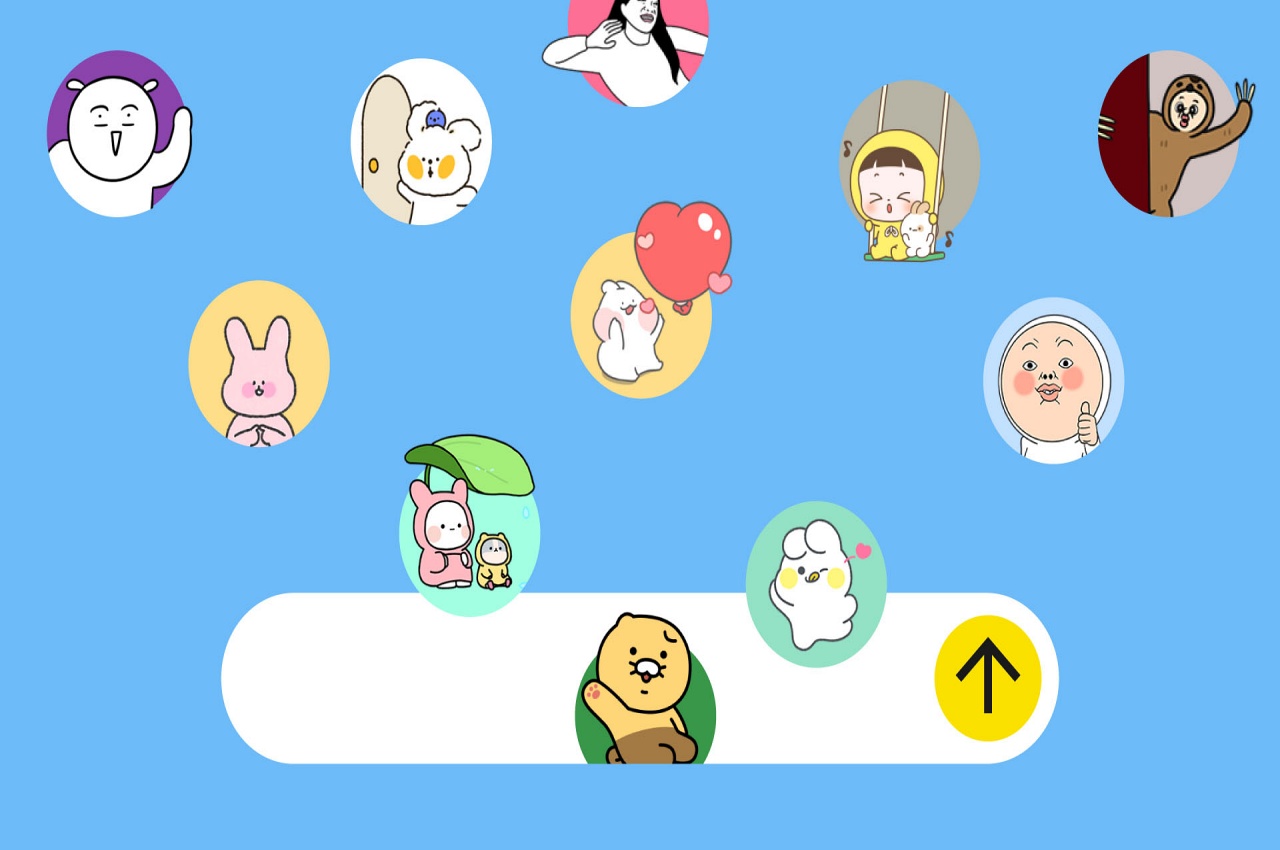
Kakao is set to raise the prices for its emojis, and this will affect users of iOS operating systems. The price hike was announced after Apple said last month that it would increase the price of in-app items in some nations.
Kakao will start implementing the new prices on Oct. 6, so iOS users can expect to pay more for emojis. It was on Sept. 19 when the iPhone maker revealed it would increase the prices of apps and in-app purchases in some countries, including Japan, South Korea, and other regions that use the euro currency.
As per Korea Joongang Daily, Apple did not give a reason for the move, but some media stated it was most likely due to the strong dollar. This may have been the main driver for the tech firm’s decision to inflate the prices in the App Store, which are charged by tiers.
In South Korea, Apple will raise tier 1 to KRW1,500 from KRW1,200 or about $0.83, tier 2 will now be KRW3,000 from 2,500, and so on. The highest tier on the App Store is 87, and the price for this will now be KRW1.49 million from the KRW1.19 million original rate.
With Kakao’s new prices for its emojis, it said that the increases are just in line with Apple’s App Store new rates. Moreover, the price of chocos digital tokens that will be purchased within the app to buy emojis to be used on KakaoTalk messenger will have higher price tags now.
Meanwhile, Tech Crunch reported in early August that Kakao’s emoji subscription purchases on KakaoTalk dropped by a third over the year, and the company blamed the new Google in-app policy for this. The updated guideline forces apps to make use of the American tech firm’s own billing system.
Whon Namkoong, Kakao’s co-chief executive officer, said that Google’s new policy has a negative effect on the company and admitted that this couldn’t be avoided. He said that purchases of KakaoTalk emoji plummeted big time.
“From the users’ perspective, because of Google’s new in-app payment policy, the digital goods price hurdle has gone up,” the co-CEO said, “As a result, if you look at KakoTalk’s Emoticon Plus subscription service, the number of new users has gone down to one-third of what we had seen over the year.”
Namkoong said at that time that they were discussing what steps to take next to counter the changes in Google’s policy. “We are planning on running a promotion for users, using Google’s in-app payment, and also for our subscribers in order to make sure we minimize the impact from the in-app payment in the second half of the year,” he said.







