


 Missouri Judge Dismisses Lawsuit Challenging Starbucks’ Diversity and Inclusion Policies
  Asian Stocks Slip as Tech Rout Deepens, Japan Steadies Ahead of Election
  Gold and Silver Prices Rebound After Volatile Week Triggered by Fed Nomination
  Trump Endorses Japan’s Sanae Takaichi Ahead of Crucial Election Amid Market and China Tensions
  SoftBank Shares Slide After Arm Earnings Miss Fuels Tech Stock Sell-Off
  Toyota’s Surprise CEO Change Signals Strategic Shift Amid Global Auto Turmoil
  Thailand Inflation Remains Negative for 10th Straight Month in January
  TrumpRx Website Launches to Offer Discounted Prescription Drugs for Cash-Paying Americans
  Japan Economy Poised for Q4 2025 Growth as Investment and Consumption Hold Firm
  RBI Holds Repo Rate at 5.25% as India’s Growth Outlook Strengthens After U.S. Trade Deal
  Bank of Japan Signals Readiness for Near-Term Rate Hike as Inflation Nears Target
  China Extends Gold Buying Streak as Reserves Surge Despite Volatile Prices
  Vietnam’s Trade Surplus With US Jumps as Exports Surge and China Imports Hit Record
  Fed Governor Lisa Cook Warns Inflation Risks Remain as Rates Stay Steady
  Ford and Geely Explore Strategic Manufacturing Partnership in Europe
  Washington Post Publisher Will Lewis Steps Down After Layoffs
  South Korea Assures U.S. on Trade Deal Commitments Amid Tariff Concerns


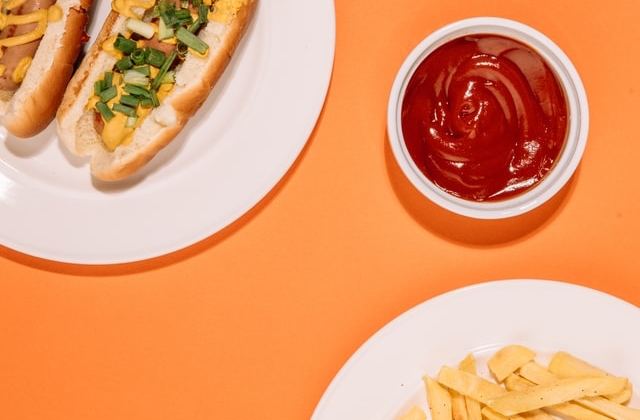
Ketchup is reportedly running out in the U.S., and restaurant owners are finding it hard to look for the precious condiment. The ketchup shortage is said to have started last summer, but the situation worsened this year.
How the ketchup shortage happen
CNN Business reported that it happened due to the COVID-19 pandemic as it was the time when the Centers for Disease Control and Prevention began prohibiting and discouraging people from dining in restaurants.
The public has been advised to opt for delivery or take-outs since these are safer methods to have their favorite meals while also avoiding contracting the coronavirus. This is the simplest explanation for the ketchup shortage, and it makes sense given the number of food deliveries each day.
To prove that the supply for ketchup is very low, CNN mentioned that Blake Street Tavern restaurant owner, Chris Fuselier, is looking for packets of ketchup every time he opens his business. This means that he always has to search for the said condiment every day since it is a necessity in his restaurant.
Fuselier said that the supply of ketchup did not get better even after months. Rather, the problem got deeper that he started hoarding the condiment from other dining places.
"It's gotten so bad that when I go to McDonald's or Wendy's, I'll hoard those extra packets to bring back to Blake Street," he confessed.
The attempt to address the increasing demand for ketchup
With customers shifting to takeout orders or delivery in this time of the pandemic, the requirement for ketchup has gone up. As a result, they are running low on ketchup, and it is affecting restaurants and fast food outlets.
The high demand and low supply caused the price of ketchup packets to go up by as much as 13% since January 2020. But there is good news - Heinz, the country’s largest producer of the tomato-based condiment, vowed to ease the shortage by increasing its production by 25% and be able to make at least 12 billion packets a year, USA Today reported.
"We made strategic manufacturing investments at the start of the pandemic to keep up with the surge in demand for ketchup packets driven by the accelerated delivery and take-out trends; at the same time, we also fast-tracked future-focused culinary and packaging innovations, as well as further manufacturing expansion plans," Kraft Heinz's home business unit president, Steve Cornell, said.













