


 Bank of Japan Signals Readiness for Near-Term Rate Hike as Inflation Nears Target
  Thousands of satellites are due to burn up in the atmosphere every year – damaging the ozone layer and changing the climate
  Singapore Budget 2026 Set for Fiscal Prudence as Growth Remains Resilient
  As the Black Summer megafires neared, people rallied to save wildlife and domestic animals. But it came at a real cost
  Fungi are among the planet’s most important organisms — yet they continue to be overlooked in conservation strategies
  Trump’s Inflation Claims Clash With Voters’ Cost-of-Living Reality
  Fed Governor Lisa Cook Warns Inflation Risks Remain as Rates Stay Steady
  Drug pollution in water is making salmon take more risks – new research
  U.S.-India Trade Framework Signals Major Shift in Tariffs, Energy, and Supply Chains
  Trump Signs Executive Order Threatening 25% Tariffs on Countries Trading With Iran
  South Africa Eyes ECB Repo Lines as Inflation Eases and Rate Cuts Loom
  Japan Economy Poised for Q4 2025 Growth as Investment and Consumption Hold Firm
  Vietnam’s Trade Surplus With US Jumps as Exports Surge and China Imports Hit Record
  Trump Endorses Japan’s Sanae Takaichi Ahead of Crucial Election Amid Market and China Tensions
  How to create a thriving forest, not box-checking ‘tree cover’
  Burkina Faso and Mali’s fabulous flora: new plant life record released


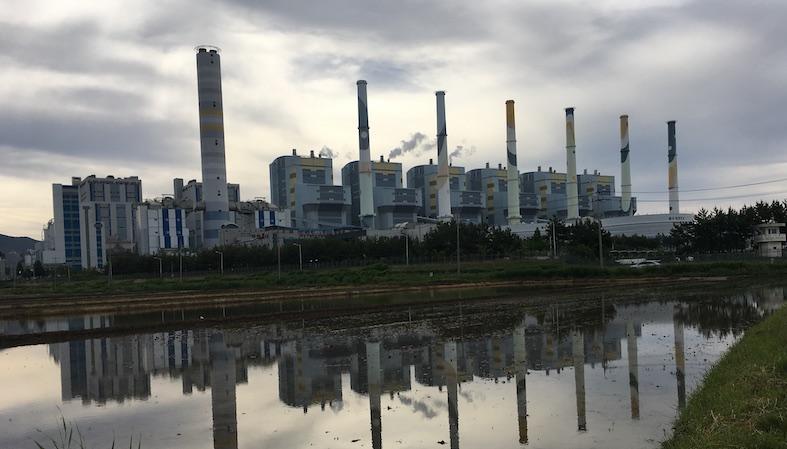
Environmental groups criticized the Presidential Committee on Carbon Neutrality for its poor skills in coming up with carbon neutrality plans that still emit greenhouse gas.
Only one of the three options unveiled by the committee for reducing carbon emissions by 2050 will achieve carbon neutrality.
The Korea Federation for Environmental Movements said that announcing carbon neutrality plans despite two of those still emitting greenhouse gas exhibits “poor skills.”
The Energy Justice Actions added that even the third plan that achieves carbon neutrality is not clear when coal-burning power plants and cars with internal combustion engines will come to an end.
The road map results in varying net emissions in 2050 from zero to 25.4 million metric tons.
Seoul National University’s environmental professor Yun Sun-jin, a co-chairperson of the committee, noted that they reviewed the scenario based on the principles of accountability, fairness, innovativeness, inclusiveness, and reasonableness.
Under the first plan, the country will continue fossil fuel use, including coal-fired power plants, which would produce 153.9 million tons of greenhouse gases in 2050. But 95 million tons will be eliminated using carbon capture, and absorbents such as forests will take out 24.1 million tons, while eco-friendly energy would offset it by 9.4 million tons.
It will lead to a total of 24.5 million tons of greenhouse gas emissions produced in Korea in 2050, down 96.5 percent from the 727.6 million tons in 2018.
The second plan will halt coal-fired power plant operations while maintaining liquefied natural gas power plants for emergency use, resulting in net carbon emissions of 18.7 million tons in 2050.
Under the third plan, it would shut down all coal-fired and LNG power plants while increasing renewable energy supply and green hydrogen technology use. It aims to eliminate all greenhouse gas emissions and achieve a “net-zero. The committee will collect feedback, where it would base its decision on coming up with a final blueprint in late October. maximizing the use of existing infrastructure.













