


 Norma Group Posts Revenue Decline in 2025, Eyes Modest Recovery in 2026
  South Korea Manufacturing PMI Hits 4-Year High in March 2025 Driven by Semiconductor Demand
  Every generation thinks they had it the toughest, but for Gen Z, they’re probably right
  Heritage, desire and diplomacy: why China still values scotch whisky
  Japan's Business Confidence Rises Despite Iran War Uncertainty, BOJ Rate Hike Expected
  Glastonbury is as popular than ever, but complaints about the lineup reveal its generational challenge
  Federal Judge Blocks Pentagon's Blacklisting of AI Company Anthropic
  Gold Prices Surge as U.S.-Iran Ceasefire Talks Spark Market Optimism
  Luxury Car Sales in the Middle East Take a Hit Amid Iran War
  Trump Administration Plans 100% Tariffs on Pharmaceutical Imports
  Office design isn’t keeping up with post-COVID work styles - here’s what workers really want
  Time to buy local: war fuel price shocks reveal the folly of a long food supply chain
  Asian Currencies Weaken as Dollar Rebounds Amid Middle East Escalation
  Ukrainian Drones and the #MadeByHousewives Movement: Kyiv Fires Back at Rheinmetall CEO
  Why financial hardship is more likely if you’re disabled or sick
  Russell 1000 Companies Hit $2.2T Cash Record While Aggressively Reinvesting in Growth
  AI is driving down the price of knowledge – universities have to rethink what they offer


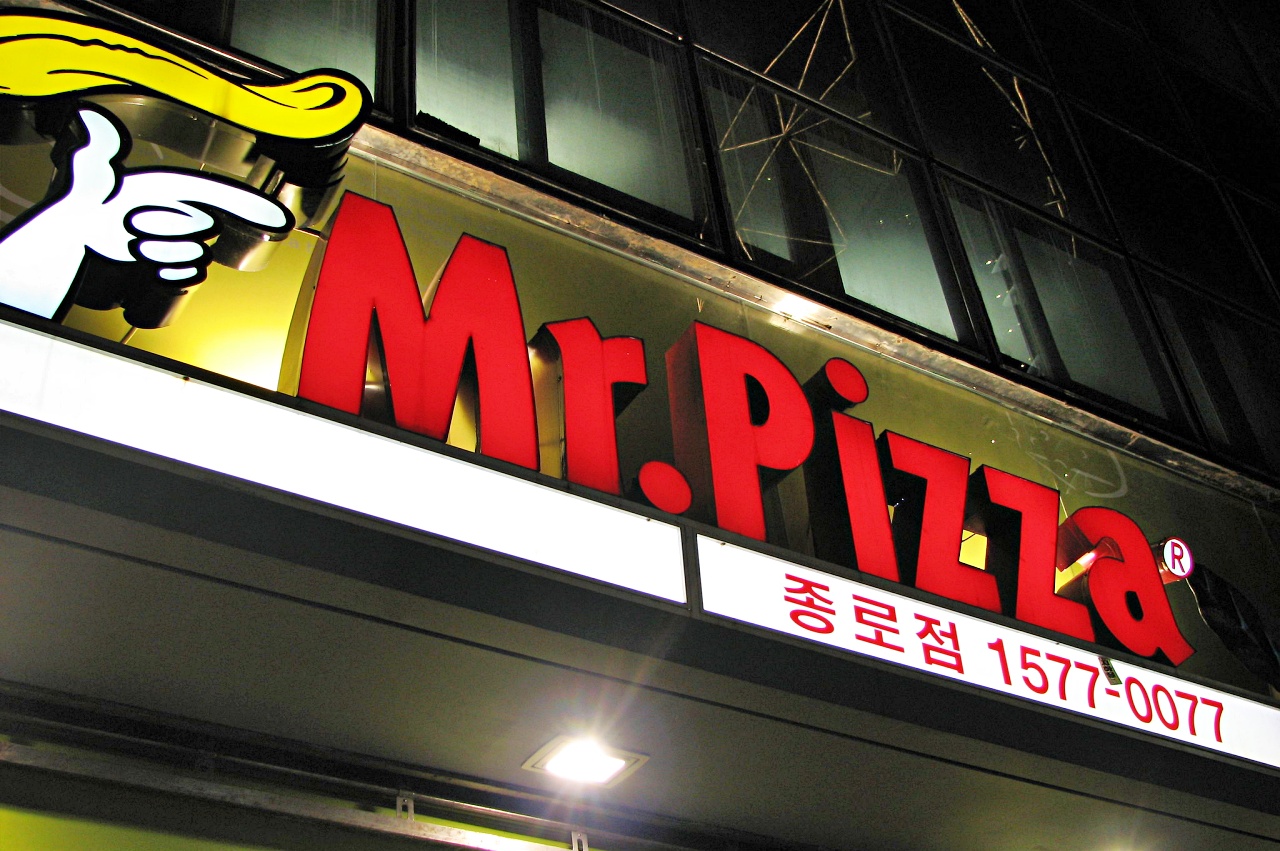
Mr. Pizza, a popular pizza franchise in South Korea, was slapped with a fine worth KRW400 million or $302 million. The country’s Fair Trade Commission (FTC) imposed the penalty and explained on Tuesday, Aug. 29, that it made the decision due to the brand’s business interference with its competitors in the market.
The Korean anti-trust regulator said Mr. Pizza is guilty of obstructing the operations of its rivals. According to Yonhap News Agency, the disciplinary action taken by the FTC against the pizza restaurant is in response to its interference with the operations of Pizza Union Coop. The agency said the business interruption being referred to includes hampering the supply of ingredients.
The commission said it is clear that Mr.Pizza established its directly controlled stores with the intention of standing in the way of Pizza Union Coop’s operations. The FTC refers to the company’s move to open shops only in busy locations, such as in Gangnam.
While it appears that the FTC sided with the Pizza Union Coop, Mr. Pizza also filed a lawsuit against the creator of the cooperative. The pizza franchise lodged a defamation case and claimed that the coop exerted influence on suppliers to stop shipments to some of the newly launched firms.
Korea’s EDaily reported that the Fair Trade Commission imposed a fine on Mr. Pizza for violation of the country’s Monopoly Regulation and Fair Trade Act. An official of the regulatory agency stated, "Mr. Pizza, the second-largest operator in the pizza franchise market, used unfair means of competition with the intention of maintaining its position against the Pizza Union, which was inferior in terms of sales, employees, and number of stores. As a result, the Pizza Union was hindered from developing recipes, securing food material suppliers, and operating stores, and also had difficulties recruiting franchisees.”
Photo by: Ian Muttoo/Flickr (CC BY-SA 2.0)







