


 Once Upon a Farm Raises Nearly $198 Million in IPO, Valued at Over $724 Million
  Vietnam’s Trade Surplus With US Jumps as Exports Surge and China Imports Hit Record
  Missouri Judge Dismisses Lawsuit Challenging Starbucks’ Diversity and Inclusion Policies
  An unexpected anomaly was found in the Pacific Ocean – and it could be a global time marker
  U.S.-India Trade Framework Signals Major Shift in Tariffs, Energy, and Supply Chains
  Gold and Silver Prices Slide as Dollar Strength and Easing Tensions Weigh on Metals
  Nvidia, ByteDance, and the U.S.-China AI Chip Standoff Over H200 Exports
  SoftBank Shares Slide After Arm Earnings Miss Fuels Tech Stock Sell-Off
  GesiaPlatform Launches Carbon-Neutral Lifestyle App ‘Net Zero Heroes’
  Nasdaq Proposes Fast-Track Rule to Accelerate Index Inclusion for Major New Listings
  Global PC Makers Eye Chinese Memory Chip Suppliers Amid Ongoing Supply Crunch
  Extreme heat, flooding, wildfires – Colorado’s formerly incarcerated people on the hazards they faced behind bars
  Oil Prices Slide on US-Iran Talks, Dollar Strength and Profit-Taking Pressure
  Uber Ordered to Pay $8.5 Million in Bellwether Sexual Assault Lawsuit
  South Africa Eyes ECB Repo Lines as Inflation Eases and Rate Cuts Loom
  Asian Stocks Slip as Tech Rout Deepens, Japan Steadies Ahead of Election


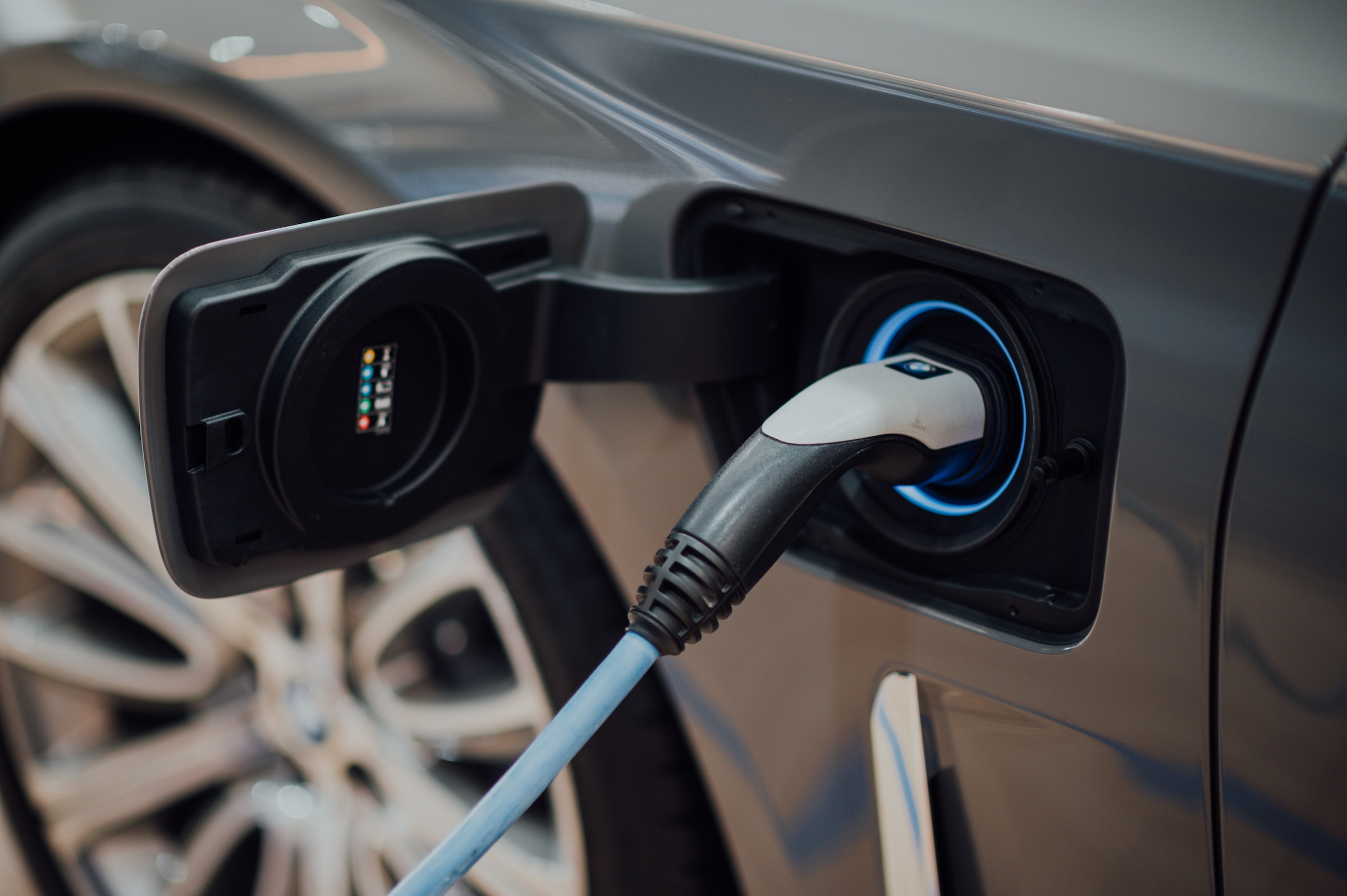
South Korea's third-largest mobile carrier, LG Uplus Corp, has partnered with Kakao Mobility Corp to establish a joint venture into the electric vehicle (EV) charging station business. Each company has committed approximately US$19 million to the venture, expected to emerge as a dominant player in the local EV charging market.
As per the agreement signed last Friday, both companies have invested 25 billion won (approximately US$19 million) each into the joint venture. LG Uplus will assume managerial rights, with an equal share ratio of 50% for both parties. It is worth mentioning that Kakao Mobility took one more week than LG Uplus to acquire 10 million shares. Consequently, the joint venture will be included as a consolidated subsidiary of LG U+.
Later this year, the joint venture will seek approval from South Korea's antitrust regulator. With LG Uplus having launched the EV charging service named VoltUp earlier this year and with Kakao Mobility offering mobile services for EV charging through its KakaoMap navigation platform, both companies are expecting the joint venture to occupy a leading position in the local EV charging market.
The official name and representative of the company will be confirmed upon the establishment of the joint venture. In January, LG Uplus acquired the electric vehicle charging division of its LG HelloVision subsidiary, which marked the beginning of the electric vehicle charging platform business.
The company plans to release the electric vehicle charging platform called 'Volt Up' in the second half of this year. The app, currently undergoing testing, will provide users with information about the location of electric car charging stations, enable reservation of charging time, offer payment and point accumulation features after charging, and provide round-the-clock counseling services.
Although Kakao Mobility does not directly operate a charging platform, it does provide search and payment services for electric vehicle charging stations. The industry predicts that both companies' integrating electric vehicle charging platforms is highly likely.
According to data from the Ministry of Land, Infrastructure and Transport, South Korea had nearly 400,000 electric vehicles on the road by the end of 2022. Electric vehicles are expected to grow to 4.2 million by 2030.
Photo: CHUTTERSNAP/Unsplash













