


 As the Black Summer megafires neared, people rallied to save wildlife and domestic animals. But it came at a real cost
  SpaceX’s Starship Completes 11th Test Flight, Paving Way for Moon and Mars Missions
  China vs. NASA: The New Moon Race and What's at Stake by 2030
  Japanese Yen Holds Steady as Intervention Hopes Grow Ahead of U.S. CPI Data
  GesiaPlatform Launches Carbon-Neutral Lifestyle App ‘Net Zero Heroes’
  Asian Stocks Slide as Oil Surge, U.S.-Iran Tensions and Fed Rate Bets Weigh on Markets
  We combed through old botanical surveys to track how plants on Australia’s islands are changing
  Fed Reaffirms 2% Inflation Goal, Vows Forceful Action to Anchor Price Expectations
  NASA and SpaceX Target Crew-11 Undocking From ISS Amid Medical Concern
  Gold Price Holds Near $4,000 as Middle East Tensions and Fed Rate Hike Bets Grow
  Goldman Sees Foreign Investors Driving India Stock Market Recovery
  Dollar Eases as Middle East Conflict, Fed Outlook and Japan Pension Policy Drive FX Markets
  South Korea Central Bank Set to Raise Interest Rates as Inflation Stays Elevated
  Gold Prices Fall as US-Iran Conflict, Rising Oil Prices Fuel Fed Rate Concerns
  BOJ May Raise Japan Growth Forecast While Keeping Focus on Inflation Risks
  Parasites are ecological dark matter – and they need protecting


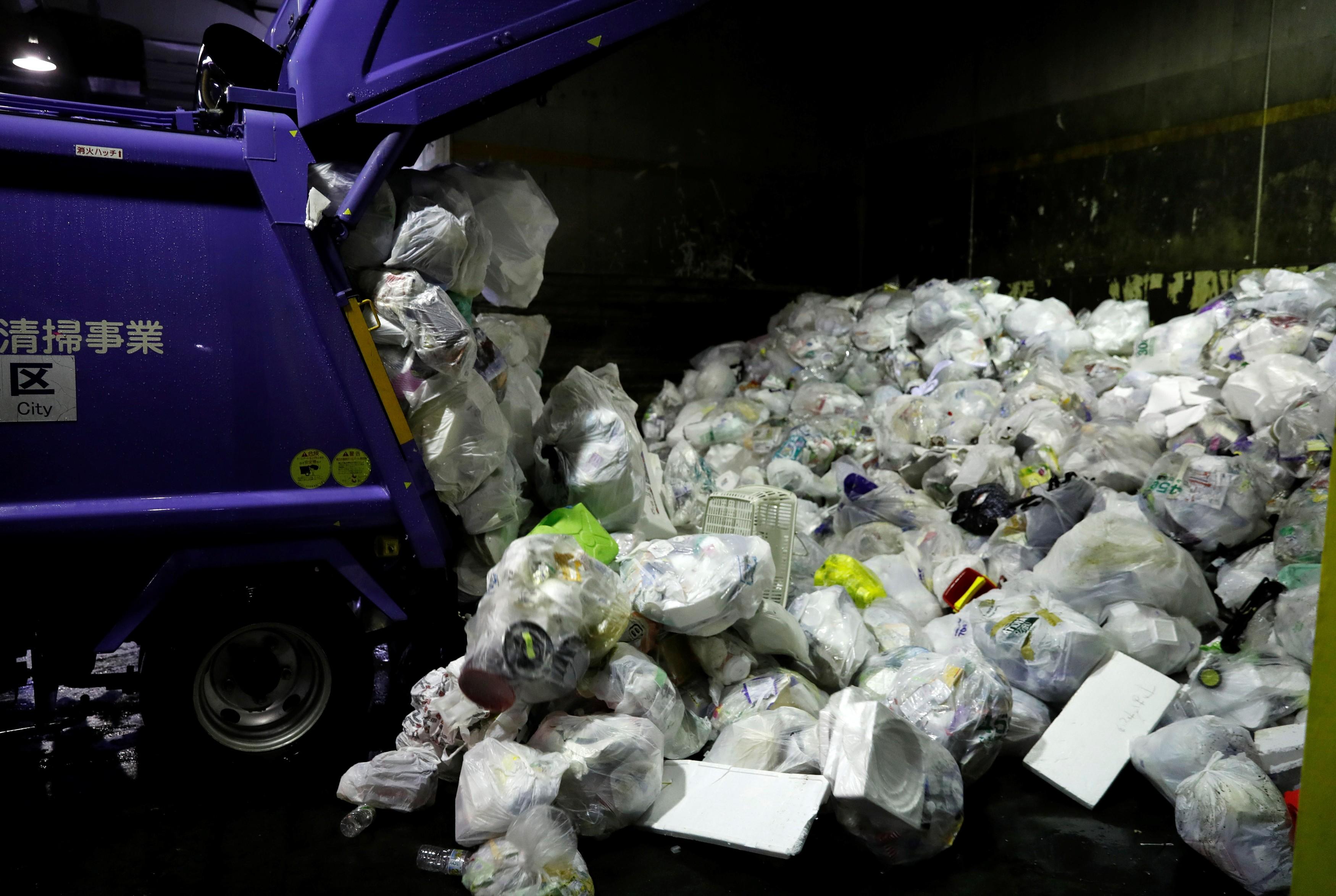
UK start-up Polymateria Ltd has struck a deal with a 7-Eleven's supplier in Taiwan, South Plastic Industry Co., to use its innovative process to decompose plastic into a wax that is digested by nature.
President Chain Store Corp, which operates the 7-Eleven outlets, plans to reduce disposable plastic use to less than 20 percent of packaging by 2023.
Some 7-Eleven stores are now selling cheese-baked rice meals in Polymateria’s disposable packaging.
Polymateria has also inked a deal of up to US$100 million to license its technology to Formosa Plastics Corp, one of the world’s biggest petrochemical manufacturers.
Godrej Consumer Products Ltd in India will also start using Polymateria’s packaging later this year.
According to Polymateria CEO Niall Dunne, they are targetting the type of plastic that’s most likely to wind up in nature by using a solution that doesn’t need any composting technologies to biodegrade or capital expenditure.
Polymateria also has licensing agreements with plastics producers in Malaysia and the Philippines.
The deals are part of Polymateria's plan to solve the problem of plastic from snack wrappers, cups, and shopping bags that end up in oceans and landfills.
Dunne added that they are focused on Asia where a lot of the fugitive plastic is coming from and there aren’t substantial waste management systems in place.
Polymateria’s technology uses about a dozen kinds of chemicals, such as oils, rubbers, and desiccants, that are added to plastic during the manufacturing process.
The additives help break down plastic polymers and turn the plastic into a wax that is fully digested by natural bacteria and fungi.
The thinner packing materials infused with Polymateria's solution can decompose in as little as 226 days.
By comparison, it takes about 1,000 years for a plastic bag to degrade in landfills.
Still, some scientists are calling for reducing the use of plastics and recycling instead.
Independent scientific advisers to the European Commission released a report that concluded “biodegradable plastics aren’t a silver bullet,” while others raised concerns that biodegradable plastics could encourage littering.
Dunne said while he agrees with reducing, reusing, and recycling plastic, their solution addresses an immediate problem that is not going away.







