


 Kalshi Wins CFTC Approval for S&P 500 Perpetual Futures
  UK Sanctions Crypto Exchanges Linked to Russia
  Iran Refuses to Halt Uranium Enrichment Amid US Nuclear Demands
  OpenAI, Anthropic Back Mandatory AI Breach Reporting in Australia
  Florida Seeks Tougher Meta Rules to Protect Young Users
  US Conducts Non-Nuclear Explosion Test to Boost Nuclear Detection
  Berlin Coalition Talks Advance After Left Party Antisemitism Deal
  Russia Targets Danish Ukraine Suppliers in Sabotage Campaign
  Trump Plans Diesel Tax Relief as Fuel Prices Hit Record Highs
  Zelenskiy Criticizes US as Russian Strikes Kill 78 in Ukraine
  UK Warned Over Growing Reliance on US Cloud Providers
  ICC Rules Duterte Fit to Stand Trial in Drug War Case
  Mexico Bars Dual Citizens From Presidential Races Starting in 2028
  Hegseth Praises USS Abraham Lincoln Crew After Record Iran War Deployment
  US Waives $320M Egypt Military Aid Conditions After Iran War Role
  Maduro, Wife May Face New US Torture Charges


 Add as a preferred source on Google
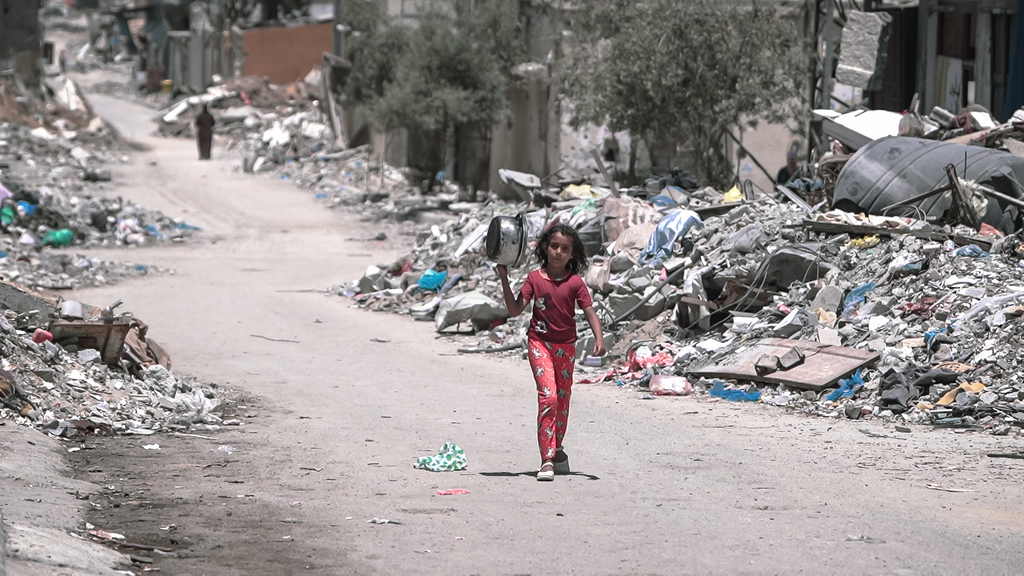
Médecins Sans Frontières (MSF), one of the world’s largest medical humanitarian organizations, says it may soon be barred from operating in Gaza after failing to meet a Wednesday deadline to comply with new Israeli registration requirements for international aid agencies. The move could severely restrict access to life-saving medical care for hundreds of thousands of Palestinians as the humanitarian crisis in Gaza continues to worsen.
MSF said deregistration would halt its medical operations in Gaza, where it has treated nearly half a million people over the past two years amid ongoing conflict. The organization warned that losing its ability to operate would have devastating consequences for civilians already struggling to access basic healthcare services.
Israel’s military aid coordination body, COGAT, stated that MSF did not provide a list of its employees to Israel’s Diaspora Affairs Ministry, a requirement under the new rules. The ministry has claimed that individuals linked to MSF have alleged ties to Hamas and Palestinian Islamic Jihad. MSF strongly denied these accusations, calling them unsubstantiated, and reiterated that it does not knowingly employ anyone involved in armed activity.
Concerns over staff safety have been echoed by other humanitarian groups. In May, Oxfam said sharing employee details posed serious protection risks, especially following deadly attacks on aid workers in Gaza. MSF has not confirmed whether it submitted staff names, citing security concerns.
Dozens of international NGOs now face possible deregistration within 60 days if they fail to meet the new criteria by December 31. Aid organizations including the Norwegian Refugee Council (NRC) and Oxfam have said they are preparing for potential expulsion or operational shutdowns. NRC warned that deregistration could force the closure of its East Jerusalem office and prevent international staff from entering Gaza.
International pressure is mounting. Britain, France, Canada and other countries issued a joint statement urging Israel to allow NGOs to operate in a stable and predictable manner, while expressing concern about Gaza’s humanitarian situation.
COGAT said thousands of aid trucks would continue entering Gaza weekly through approved channels, but aid groups warn that restricting NGOs undermines the broader humanitarian aid system and risks further deepening the crisis.







