


 CDC Monitors U.S. Travelers After Hantavirus Outbreak on Luxury Cruise Ship
  Novo Nordisk Raises 2026 Outlook on Strong Wegovy Demand
  France Battles Mediterranean Wildfires as Heatwave Fuels Fire Risk
  Nvidia Tightens AI Chip Sales in Asia With Stricter Customer Approval Process
  Morgan Stanley Names Marks & Spencer Top European Retail Pick, Sees Strong Upside
  Samsung to Launch First Yongin Chip Plant by 2029 as South Korea Speeds Up Semiconductor Hub
  Goldman AM Sees Strong Buyout Opportunities in Japan, South Korea and Australia
  TrumpRx Expands Discount Drug Access With 600 Generic Medications
  GSK Reportedly Nears $9 Billion Acquisition of Cancer Drug Developer Nuvalent
  Samsung Chairman Lee Jae-yong Expected to Meet Nvidia CEO Jensen Huang on AI and Chip Partnership
  Supreme Court Blocks 5th Circuit Ruling on Abortion Pill Access
  Alcohol is one of the most dangerous drugs, yet its presence is ubiquitous in social settings and celebrations
  SK Hynix Soars 13% in Nasdaq Debut After Record $26.5 Billion IPO
  Kitron Q2 Revenue Beats Estimates as Defense Demand Lifts Growth
  TSMC Q2 Revenue Surges 36% as AI Chip Demand Powers Growth Ahead of Earnings


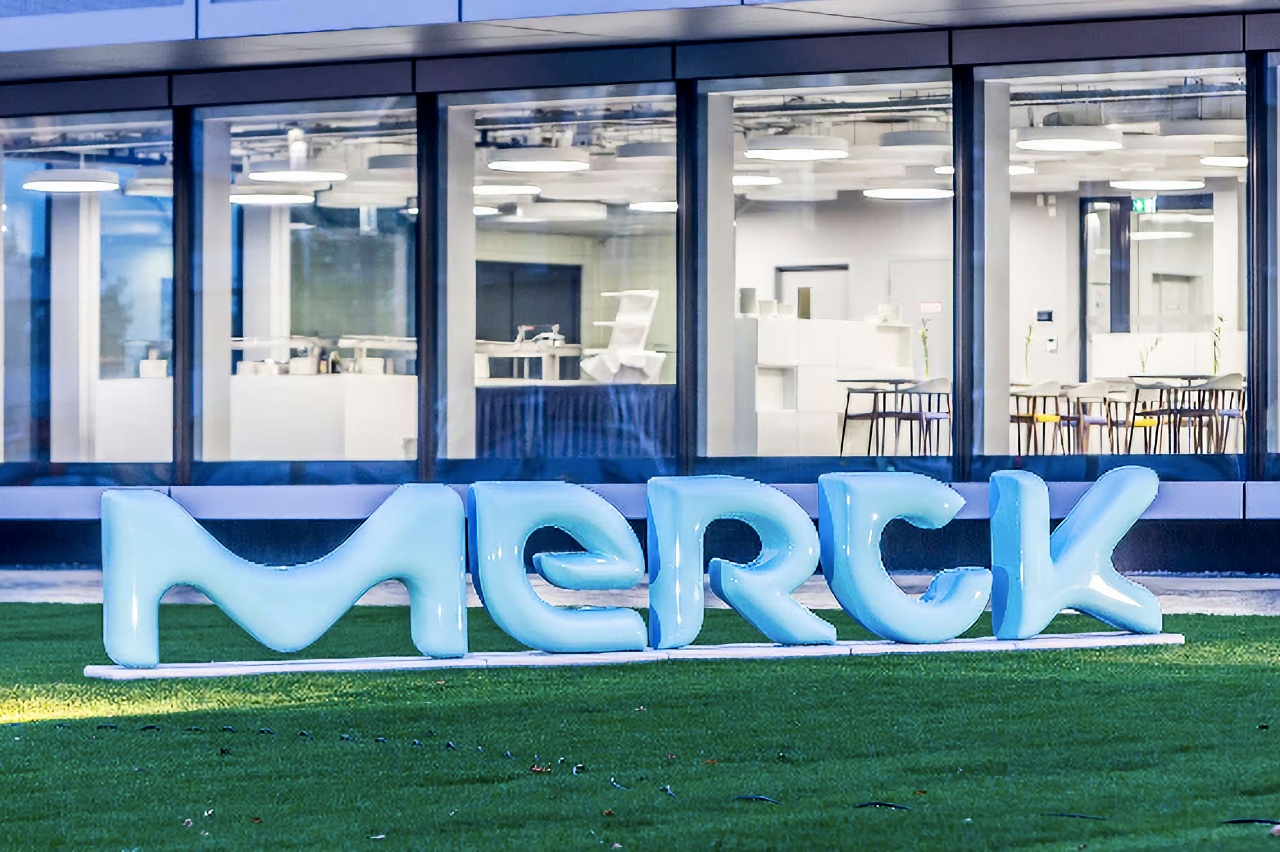
Merck announced on Monday that it has significantly raised its long-term growth outlook, projecting up to $70 billion in revenue from new growth drivers by the mid-2030s. The updated forecast highlights the pharmaceutical giant’s strategy to accelerate the launch of new drugs as it prepares for increasing competition to its blockbuster cancer treatment, Keytruda, which has been a major revenue pillar for the company.
The drugmaker now expects its cardiometabolic and respiratory portfolio to generate approximately $20 billion in annual sales, a notable increase from its previous estimate of $15 billion. This upward revision reflects Merck’s confidence in its expanding pipeline of treatments targeting chronic conditions such as heart disease, diabetes, and respiratory disorders, which continue to represent significant global health challenges and large commercial opportunities.
Infectious disease treatments are also expected to play a much larger role in Merck’s future growth. The company raised its revenue projection for this segment to about $15 billion, tripling its earlier forecast of $5 billion. This increase underscores Merck’s strategic focus on vaccines and antiviral therapies, areas that have gained renewed importance amid heightened global awareness of pandemic preparedness and infectious disease prevention.
Overall, Merck’s revised outlook underscores its broader effort to diversify revenue streams beyond Keytruda ahead of patent expirations and competitive pressures expected later this decade. By investing heavily in research and development and accelerating the commercialization of new therapies, the company aims to sustain long-term revenue growth and maintain its leadership position in the global pharmaceutical market.
The announcement signals strong confidence from Merck’s leadership in the company’s innovation pipeline and long-term strategy. For investors and industry observers, the updated forecast highlights how major drugmakers are reshaping their portfolios to adapt to evolving market dynamics, regulatory landscapes, and patient needs, while seeking to offset risks associated with reliance on a single blockbuster drug.







