


 SoftBank Corp Partners With Sierra to Expand AI Customer Support Across Japan
  OpenAI Executive Fidji Simo to Step Down Amid Health Challenges Ahead of IPO
  Apple Intelligence Cleared for China as Alibaba and Baidu AI Power iPhone Features
  Samsung Chairman Lee Jae-yong Expected to Meet Nvidia CEO Jensen Huang on AI and Chip Partnership
  Nvidia Tightens AI Chip Sales in Asia With Stricter Customer Approval Process
  SK Hynix Soars 13% in Nasdaq Debut After Record $26.5 Billion IPO
  Samsung to Launch First Yongin Chip Plant by 2029 as South Korea Speeds Up Semiconductor Hub
  xAI Sues Man for Allegedly Using Grok to Generate AI Child Abuse Deepfakes
  SpaceX Stock Falls Below IPO Price as Investors Weigh Losses and Lockup Expiry
  Morgan Stanley Says China’s Reusable Rocket Progress Poses Long-Term Challenge to SpaceX
  Apple Intelligence China Approval Lifts Alibaba and Baidu Shares
  Trump Administration Launches AI Cybersecurity Partnership to Protect Critical Infrastructure
  SK Hynix Prices Record U.S. ADR Offering at $149 After $200 Billion Investor Demand
  Hyundai Takes Full Control of Boston Dynamics to Accelerate Humanoid Robot and AI Strategy
  SK Hynix Stock Soars as AI Memory Demand Outlook Fuels Chip Rally
  Jamie Dimon Warns Anthropic's Mythos AI Poses National Security Risks
  Bain Capital Exits Kioxia After AI-Fueled Valuation Surge


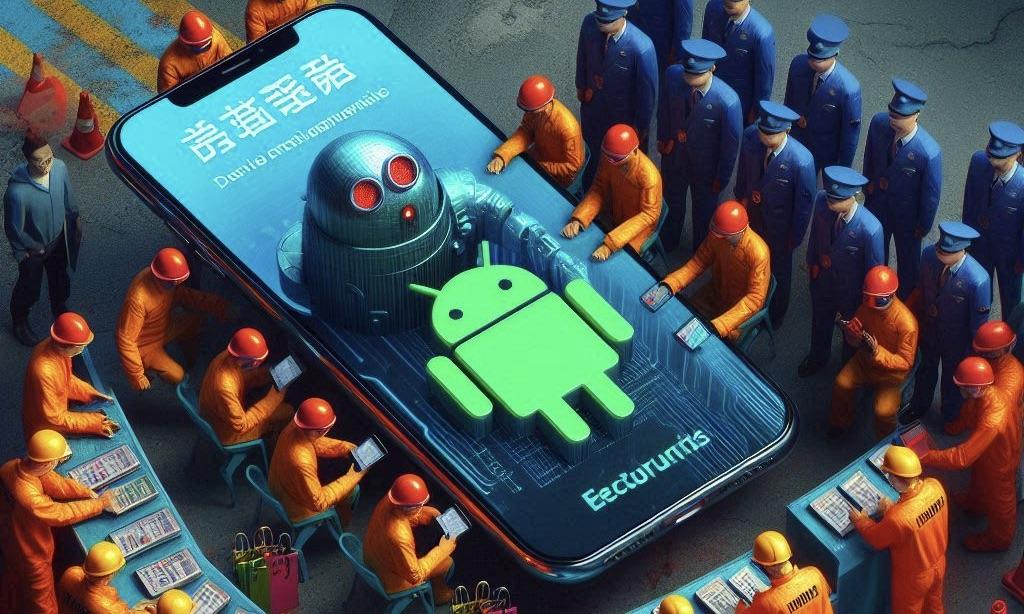
Microsoft is requiring all employees in China to switch from Android smartphones to iPhones, starting in September, as part of its Secure Future Initiative aimed at enhancing security.
Microsoft Enforces iPhone Transition for China Employees to Bolster Security Measures
Microsoft has mandated that all employees in China cease using Android smartphones in the workplace, forcing them to permanently transition to iPhones.
This directive is part of the company's Secure Future Initiative, which is dedicated to maintaining robust security. Given that non-iOS devices are at a higher risk of breaches, Microsoft sees this measure as a logical step.
According to Bloomberg's most recent report, Microsoft's personnel in China will be required to adjust to using iPhones daily starting in September of this year. An internal memo revealed that employees currently using Android handsets, including those manufactured by Xiaomi or Huawei, will receive an iPhone 15 as a one-time replacement.
Reports also indicate that Microsoft is establishing collection points throughout its offices in China to facilitate this transition. This strategy is not limited to mainland China but applies to Hong Kong.
Microsoft Cites Security and Ecosystem Cohesion for Mandating iPhones in China
The rationale behind the switch is practical; Microsoft has restricted access to app platforms operated by Huawei or Xiaomi and now requires employees to use iPhones to access the Microsoft Authenticator password manager and its Identity Pass application.
The fragmented nature of Android and the differences between the Chinese and foreign mobile ecosystems have made it challenging for Microsoft to implement a more robust security protocol. Monitoring is significantly simplified with iOS, as its integrated features allow for better security oversight.
AppleInsider reports (via Wccftech) that Microsoft has operated in the region since 1992, establishing a solid presence. However, the company has to publicly announce this latest move or disclose the number of employees in China.
It is noted that Microsoft's largest R&D center outside the United States is located in China, further justifying the switch to iPhones. Additionally, Microsoft has announced efforts to isolate vulnerabilities in the cloud, thereby increasing the difficulty of cyberattacks and breaches.
Photo: Microsoft Bing







