


 Ukrainian Drones and the #MadeByHousewives Movement: Kyiv Fires Back at Rheinmetall CEO
  NASA Artemis II: First Crewed Moon Mission Since Apollo Takes Four Astronauts on 10-Day Lunar Journey
  Nintendo Switch 2 Production Cut as Holiday Sales Miss Targets
  Microsoft Eyes $7B Texas Energy Deal to Power AI Data Centers
  Nomura Upgrades PDD Holdings to Buy, Calls Stock Too Cheap to Ignore
  Oil Prices Surge to Record Monthly Highs as Middle East War Rattles Global Markets
  Luxury Car Sales in the Middle East Take a Hit Amid Iran War
  Chinese Universities with PLA Ties Found Purchasing Restricted U.S. AI Chips Through Super Micro Servers
  OpenAI Pulls the Plug on Sora, Ending $1 Billion Disney Partnership
  Gulf War Ceasefire Hopes Weigh on Dollar Ahead of Trump Address
  Federal Judge Blocks Pentagon's Blacklisting of AI Company Anthropic
  Apple Turns 50: From Garage Startup to AI Crossroads
  Cybersecurity Stocks Tumble After Anthropic's Claude Mythos AI Leak Sparks Market Fears
  Trump Threatens Escalation Against Iran, Warns of Infrastructure Strikes
  RBC Capital: European Medtech Firms Show Minimal Middle East and Energy Risk Exposure
  CTOC Adds 3,000 Doctors, 500 Hospitals Ahead of Liquidity Push
  Golden Dome Missile Defense: Anduril and Palantir Join Forces on Trump's $185B Space Shield


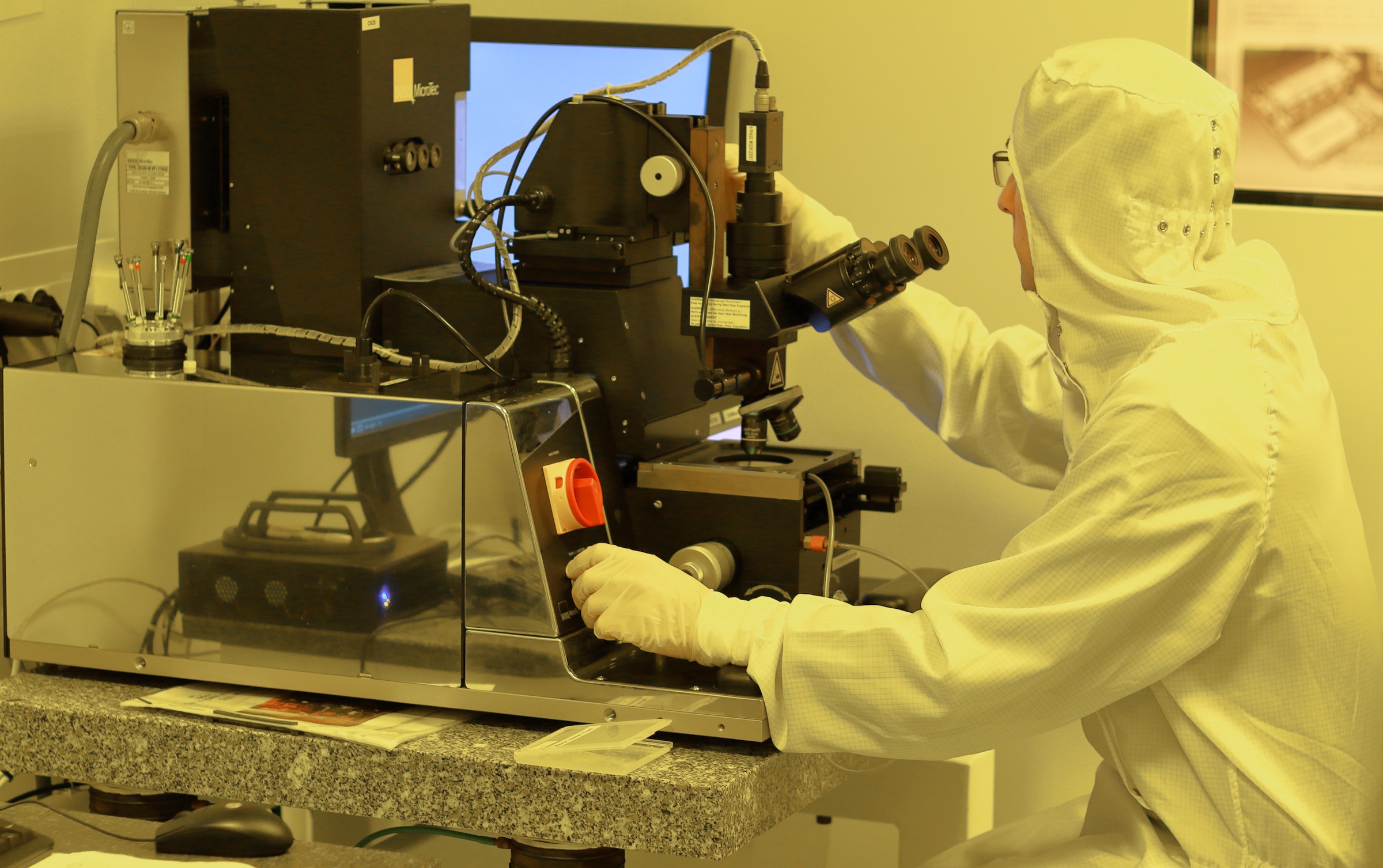
Mitsubishi Chemical Group announces a new semiconductor materials plant, operational by March 2025. While the location remains undecided, Fukuoka Prefecture is under consideration. Given the component's pivotal role in global electronics, this move aligns with Japan's strategy to boost its semiconductor sector.
Semiconductor chips, vital components in electronic devices such as phones and computers, gained global attention due to supply chain issues during the pandemic. Although semiconductor demand has experienced a slight dip in 2023 compared to the previous year, industry experts project a rebound in 2024.
Recognizing the criticality of semiconductors and the need for increased production, Mitsubishi Chemical's plan aligns with the Japanese government's investments in the domestic semiconductor sector. In 2021, the government announced its ambitious goal of exceeding ¥13 trillion ($87.6 billion) in annual semiconductor revenue by 2030.
This vision includes government-backed projects like Rapidus. The Rapidus project broke ground on a new facility in Hokkaido on September 1st.
Amid the government's renewed focus, local and foreign businesses are expanding semiconductor-related production in Japan. Taiwan Semiconductor Manufacturing Co., the world's largest contract chipmaker, is currently constructing a plant in Kumamoto Prefecture and has expressed interest in further expansion, contingent upon customer demand and government support.
Additionally, prominent companies such as Micron Technology and Intel have shown interest in entering the Japanese market. It resulted in substantial U.S., European, and South Korean investments.
The spotlight on semiconductors coincides with escalating tensions between the U.S. and China. The U.S. aims to restrict China's ability to establish a high-tech industry that could rival its own. As a result, the semiconductor industry has become an area of strategic importance and geopolitical competition.
As Mitsubishi Chemical progresses in its new semiconductor materials plant plan, the development can strengthen Japan's semiconductor sector and support its technological ambitions. This forthcoming facility, set to operate by 2025, underscores Mitsubishi Chemical's commitment to meeting future semiconductor demand while contributing to the growth of the global electronics industry.







