


 Jack Lang Resigns as Head of Arab World Institute Amid Epstein Controversy
  Japan Election 2026: Sanae Takaichi Poised for Landslide Win Despite Record Snowfall
  U.S. Announces Additional $6 Million in Humanitarian Aid to Cuba Amid Oil Sanctions and Fuel Shortages
  Trump Allows Commercial Fishing in Protected New England Waters
  U.S.-India Trade Framework Signals Major Shift in Tariffs, Energy, and Supply Chains
  US Pushes Ukraine-Russia Peace Talks Before Summer Amid Escalating Attacks
  Norway Opens Corruption Probe Into Former PM and Nobel Committee Chair Thorbjoern Jagland Over Epstein Links
  Iran–U.S. Nuclear Talks in Oman Face Major Hurdles Amid Rising Regional Tensions
  TrumpRx.gov Highlights GLP-1 Drug Discounts but Offers Limited Savings for Most Americans
  Trump Endorses Japan’s Sanae Takaichi Ahead of Crucial Election Amid Market and China Tensions
  Ohio Man Indicted for Alleged Threat Against Vice President JD Vance, Faces Additional Federal Charges
  U.S. Lawmakers to Review Unredacted Jeffrey Epstein DOJ Files Starting Monday
  TrumpRx Website Launches to Offer Discounted Prescription Drugs for Cash-Paying Americans
  U.S. to Begin Paying UN Dues as Financial Crisis Spurs Push for Reforms
  China Warns US Arms Sales to Taiwan Could Disrupt Trump’s Planned Visit
  Trump Signs Executive Order Threatening 25% Tariffs on Countries Trading With Iran
  Trump Signs “America First Arms Transfer Strategy” to Prioritize U.S. Weapons Sales


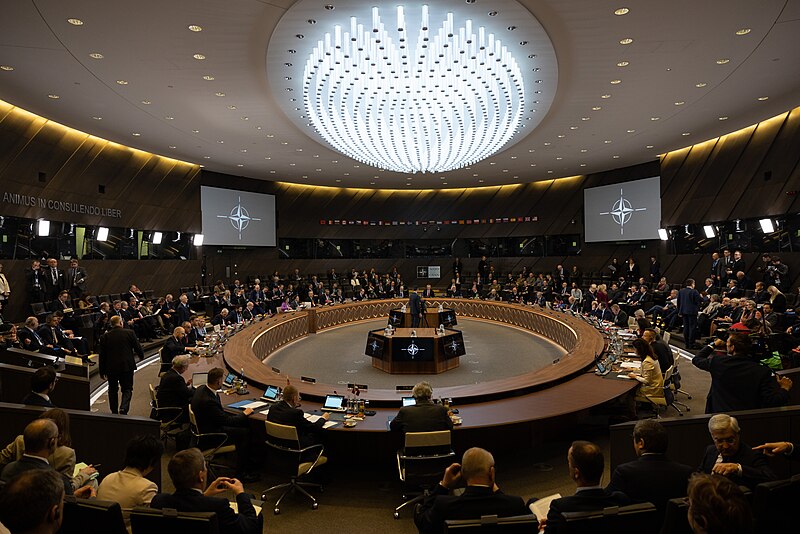
In the upcoming July summit for the member countries of the NATO military alliance, the leaders are set to approve secret military plans that would become the response to any potential attack by Russia. The move is seen as harkening back to the days of the Cold War in a major shift in stance.
Reuters reported that NATO countries are set to approve thousands of pages that outline potential plans by the alliance as to how to respond to a Russian attack. The move harkened back to the days of the Cold War and also signaled a major shift in stance as the alliance previously did not see a need to draft large-scale defense plans for decades.
But as the region’s bloodiest war since 1945 taking place in Ukraine following Russia’s invasion in February last year, the alliance has warned that there must already be a plan in place before a potential conflict with an adversary like Russia may happen.
“The fundamental difference between crisis management and collective defense is this: It is not we but our adversary determines the timeline,” said top NATO military official, Admiral Bob Bauer. “We have to prepare for the fact that conflict can present itself at any time.”
In outlining what they referred to as regional plans, NATO will also be giving its member countries guidance on how they can upgrade their forces and logistics.
“Allies will know exactly what forces and capabilities are needed, including where, what, and how to deploy,” said NATO chief Jens Stoltenberg regarding the documents that would be subject to approval. The highly classified documents will assign troops to the defense of certain regions. This will also formalize a process that was triggered by Russia’s annexation of Ukraine’s Crimean peninsula in 2014.
Earlier this month, NATO and the British Royal Air Force said that fighter jets from the United Kingdom were scrambled to intercept a Russian military aircraft operating near British airspace north of Scotland. As part of a joint NATO response, the transit by Russian fighter jets was also met with fighter planes from Norway.
Photo: Chuck Kennedy (US Department of State)/Wikimedia Commons(CC by 2.0)














.jpg)