


 CFTC Moves to Set New Crypto Rules After CLARITY Act Failure
  Iran Tanker Attacks Surge as Hormuz Oil Flows Near Prewar Levels
  New York Declares Measles Disaster Emergency as Cases Surge
  France to Release 10 Million Barrels of Diesel to Ease Fuel Prices
  Illinois Delays Crypto Tax Law Until July 2027
  Lincoln University Students Sue Missouri Over Decades of Underfunding
  France Defends Netanyahu Airspace Clearance Despite ICC Warrant
  Judge Blocks Trump Election Conditions on Counterterrorism Grants
  North Korea Slams US Taiwan Arms Sales, Reaffirms Russia Support
  Saudi Arabia Probes Flydubai Cockpit Attack
  Supreme Court Takes Up Exxon, Suncor Climate Case
  Trump Backs Florida Golf Course as Presidential Retreat
  US Waives $320M Egypt Military Aid Conditions After Iran War Role
  Trump Administration Prepares Sanctions Against Entire ICC
  US Grants Aurora Five-Year Exemption for Self-Driving Trucks
  Paramount-Warner Bros $110 Billion Deal Draws Antitrust Backlash


 Add as a preferred source on Google
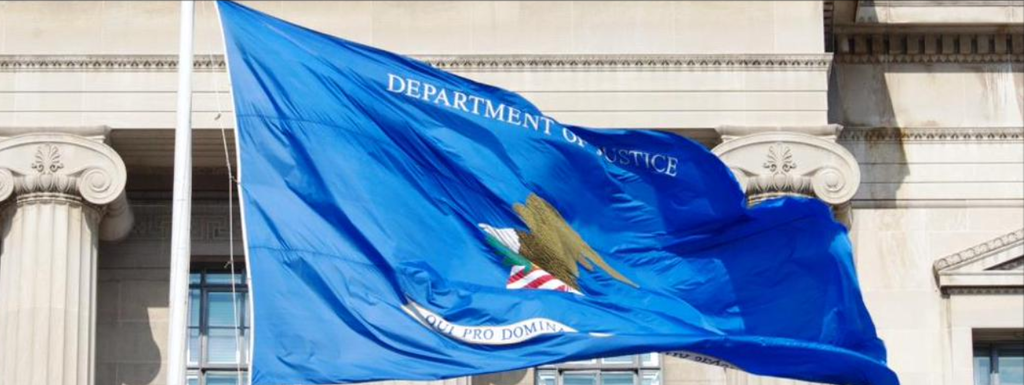
New Mexico Attorney General Raul Torrez has accused the U.S. Department of Justice (DOJ) of delaying the state's renewed investigation into convicted sex offender Jeffrey Epstein by failing to provide unredacted federal case files requested earlier this year.
The Democratic-led state reopened its investigation in February, focusing on alleged criminal activities at Epstein’s former Zorro Ranch near Santa Fe. Authorities are examining claims that Epstein abused women and underage girls at the property over nearly three decades. However, almost five months after the investigation resumed, no findings have been publicly announced.
In a letter dated June 30 to Acting U.S. Attorney Todd Blanche, Torrez said the DOJ had not responded to New Mexico’s February request for unredacted records. According to the attorney general, the requested files contain the identities of Epstein survivors, witnesses, alleged co-conspirators, and other individuals considered vital to the state’s investigation.
On Thursday, Torrez criticized the federal agency, calling the more than 130-day delay "unreasonable under any rule of reason." He argued that the lack of access to the complete records has slowed progress in determining whether additional crimes connected to Epstein’s New Mexico property can be investigated or prosecuted.
The dispute comes as President Donald Trump continues to face political pressure over the release of DOJ files related to Epstein during his second term. Trump has previously suggested that the country should move on from further investigations into the disgraced financier’s crimes.
The Justice Department disputed Torrez’s claim, saying it had responded to New Mexico’s request in June. A DOJ spokesperson stated that the department supports the state's efforts to investigate activities at Zorro Ranch and remains prepared to provide assistance. The spokesperson also said federal authorities are willing to investigate and potentially prosecute any federal offenses uncovered during the state probe.
Earlier this year, Torrez acknowledged that investigators face major challenges, including the passage of time since the alleged crimes, the possible loss or deterioration of evidence after the ranch was sold in 2023, and potential jurisdictional issues that could complicate future prosecutions.







