


 Maduro, Wife May Face New US Torture Charges
  US, Greece Launch New Counterterrorism Security Program
  Trump Weighs FBI Probe Into Nolan Wells’ Death
  Florida Seeks Tougher Meta Rules to Protect Young Users
  US Waives $320M Egypt Military Aid Conditions After Iran War Role
  Saudi Arabia Probes Flydubai Cockpit Attack
  Fairshake Backs 32 Pro-Crypto House Candidates
  San Francisco Halts New Data Center Construction With 45-Day Moratorium
  US DOT Ends Airline Privacy Review Without Enforcement
  Zelenskiy Warns Russia Is Preparing Massive Attack on Ukraine
  Iran Tanker Attacks Surge as Hormuz Oil Flows Near Prewar Levels
  OpenAI, Anthropic Back Mandatory AI Breach Reporting in Australia
  UK Warned Over Growing Reliance on US Cloud Providers
  Mike Rogers Calls for End to US-Canada Tariff War
  Crypto Rallies as CLARITY Act Failure Opens Door to Faster SEC Rules
  Saudi Airport Attacks Kill Three as Yemen Fighting Escalates
  US-Led Coalition Targets Global Factory Overcapacity


 Add as a preferred source on Google
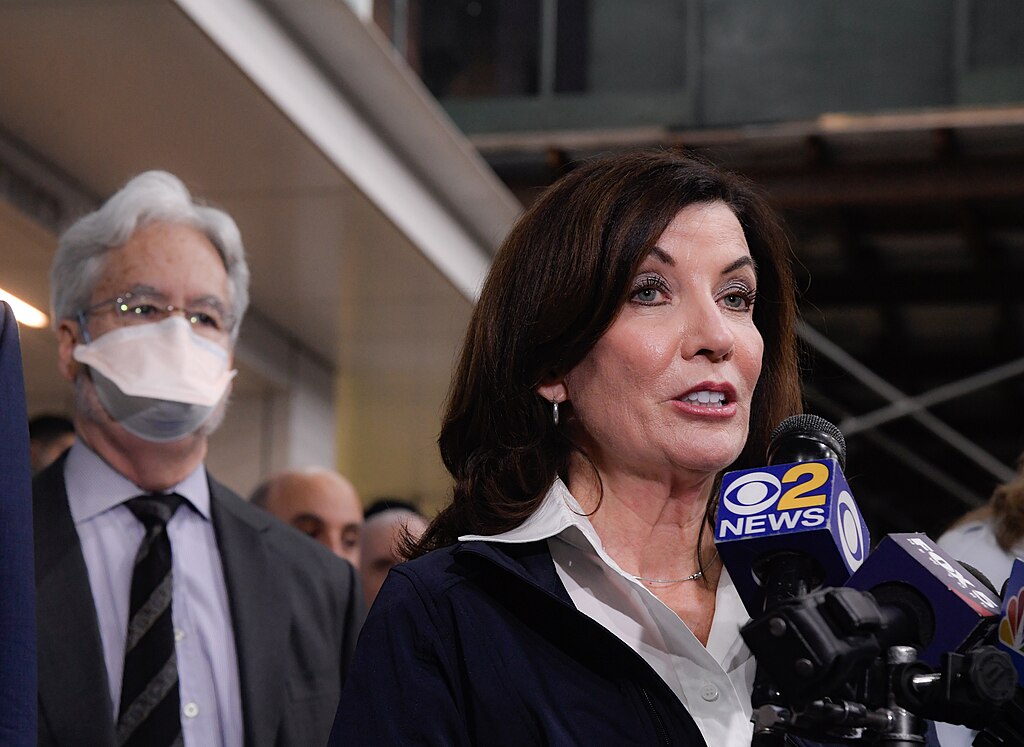
New York has officially joined a growing number of U.S. states allowing medical aid in dying after Governor Kathy Hochul signed landmark legislation into law on Friday. The new New York medical aid in dying law permits terminally ill residents with a prognosis of six months or less to receive prescribed medication to peacefully end their lives, marking a major shift in end-of-life care policy in the state.
Governor Hochul emphasized that the law includes strict safeguards to protect vulnerable patients and uphold ethical medical standards. The legislation requires multiple layers of consent and oversight to ensure that patients are not pressured or coerced into choosing assisted suicide. A mandatory five-day waiting period must pass between when the prescription is written and when it can be filled, and patients must undergo mental health evaluations to confirm they are making an informed and voluntary decision.
Importantly, the law makes participation voluntary for healthcare providers. No doctor, nurse, or religiously affiliated health facility is required to offer or participate in medical aid in dying, preserving freedom of conscience within the healthcare system. Eligibility is also limited to New York residents, preventing the state from becoming a destination for assisted suicide.
In a statement, Hochul said the legislation reflects New York’s commitment to personal freedom and bodily autonomy, including the right of terminally ill individuals to end their lives with dignity and compassion. The move represents a reversal from a 2017 decision by New York’s Court of Appeals, which ruled that physician-assisted suicide was illegal under state law.
With this change, New York becomes the 13th state, along with the District of Columbia, to allow assisted suicide. Oregon was the first to legalize medical aid in dying in 1994, setting a precedent that other states have gradually followed.
Advocacy organizations welcomed the decision. End of Life Choices New York called the law a major milestone in the fight for patient choice and dignity. Executive Director Mandi Zucker said the group plans to launch a statewide education campaign over the next six months to help patients, families, and healthcare providers understand how the law works and who qualifies.
The new law is expected to significantly influence end-of-life care discussions across the state, offering terminally ill New Yorkers an additional option focused on autonomy, comfort, and compassion.







