


 Goldman AM Sees Strong Buyout Opportunities in Japan, South Korea and Australia
  Judge Orders $5.8 Million Payment to E. Jean Carroll After Trump Loses Appeal Bid
  Vietnam’s population hit the 100 million milestone. Where’s it headed?
  Wolfspeed Sues Navitas Over GaN and SiC Patent Infringement
  Paramount-Warner Bros. Discovery Merger Faces Lawsuit From 12 States
  Fortescue Faces Class Action Over Sexual Harassment Claims at Australian Mining Sites
  Amy Coney Barrett Faces Conservative Backlash After Key Supreme Court Rulings Against Trump
  DOJ Seeks Dismissal of Fraud Charges Against Gautam Adani in U.S. Court
  Trump Orders DOJ Investigation Into Exxon, Chevron Over High Gas Prices
  Goldman Sachs Flags 3 Key Risks Ahead of Europe’s Earnings Season
  Meta Says States Seek $1.4 Trillion in Penalties Over Teen Social Media Addiction Lawsuit
  Supreme Court Backs Lisa Cook, Defends Federal Reserve Independence Against Trump Firing Attempt


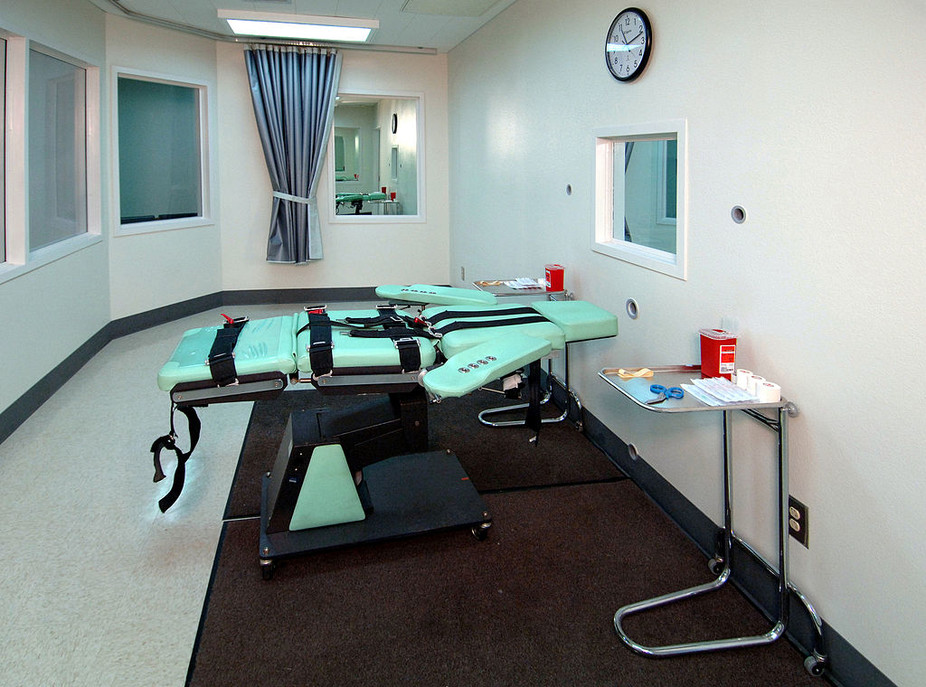

In some US states, prisoners condemned to die are killed using lethal injections. This takes place in two steps which make the prisoner unconscious and then stop breathing. Nurses are often present, but do they really need to be present? A group of senior nurses from the UK, Australia and the US recently debated this issue. They concluded that, unfortunately, the international nursing codes of ethics lacks sufficient detail to be helpful to nurses faced with the decision to take part, or not, in an execution.
There are many ways of executing prisoners, but only death by lethal injection involve nurses. Lethal injection requires access to veins in the body. The heart rate of the prisoner is observed until it has stopped, permanently. Doctors are always present to certify the death but nurses, along with doctors, may assist with any aspect of the execution. The normal role of the nurse is to care. Taking part in executions is not something they are trained for or would expect to do.
Some US states have laws which say that nurses do not have to take part, but some oblige them to. The American Nurses Association (ANA), a trade union and professional organisation, says that nurses should not take part in executions. But it cannot stop them. The International Council of Nurses, to which organisations like the ANA belong, tells nurses to continue to care for prisoners up to the point of execution. But the exact point when care should stop is not clear.
One task that nurses often do for their patients is to find veins to take blood samples or to give drugs. This is exactly what is needed in a prisoner before a lethal injection and nurses do take part in this step of the execution. It is not known how much further nurses take part. Some claim not to be present at the point of giving the lethal drugs. This may not count in taking part in the execution. But the execution could not have taken part without the nurse doing the job.
Justifying the unjustifiable
Nurses are part of the prison system. They justify taking part in executions if the prisoner is also a patient saying they cannot leave them in the terrible moments before they die. They can provide comforting words and company for the prisoner and be a familiar face. They say this is like caring for a terminally ill patient. But a terminally ill person is not being punished and their death cannot be prevented.
The thought of safety when a person is going to be deliberately killed and facing inevitable death seems strange. But things do go wrong in executions by lethal injection. In botched executions, either the prisoner does not die immediately, or they die in pain. The speed and comfort of the execution depends on the nurse having good access to one of the prisoner’s veins. If this access is poor, then the drugs which put prisoners to sleep and which kill them will not reach their targets: the brain and the heart.
Nurses may be experts in finding veins to give drugs and some say that leaving this to executioner technicians may put the patient at more risk of pain. But many people who are not nurses or doctors can be trained to find veins for taking blood in hospital. This is the same as finding a vein for an execution. It is hard to explain why a nurse must do this.
Nurses and doctors take part in executing patients by lethal injection. Doctors must be there to certify death even if they do nothing else. Nurses may be present for the comfort of the prisoner, but they may also play a more active role. It is impossible to believe that a nurse would ever be asked to give the lethal dose of drugs. It is also impossible to believe that any nurse would want to be the person who did this. To maintain the caring role of the nurse, the point when a nurse no longer accompanies a condemned prisoner ought to be a long way from the execution chamber.
 Roger Watson does not work for, consult, own shares in or receive funding from any company or organisation that would benefit from this article, and has disclosed no relevant affiliations beyond the academic appointment above.







