


 Japan Economy Beats Q1 Forecasts Despite Iran War Energy Shock
  Asian Markets Waver as Trump Delays Iran Strike, Oil Prices Retreat
  Oil Prices Drop as Trump Delays Iran Strike, Russia Sanctions Waiver Eases Supply Concerns
  Dollar Holds Near Six-Week High as Iran War Fuels Inflation Fears and Boosts Fed Rate Hike Bets
  China Delays Pentagon Official’s Beijing Visit Amid Taiwan Arms Deal Tensions
  US Stock Futures Slip as Nvidia Earnings Fail to Fully Impress Investors
  Gold Prices Climb as Trump Delays Iran Strike, Boosting Safe-Haven Demand
  Asian Stocks Mixed as Tech Shares Slide Ahead of Nvidia Earnings
  Gold Prices Steady as Iran War Fuels Inflation and Rate Concerns
  Japan Posts Strong April Trade Surplus as Exports Surge Amid Robust U.S. and China Demand
  Rubio to Push NATO Defense Spending, Strengthen India Ties During Key Diplomatic Tour
  Japan Manufacturing Growth Slows in May as Services Sector Stagnates Amid Rising Middle East Supply Costs
  Australia Regulator Flags Private Credit Risks Amid Global Market Uncertainty
  Fed’s Anna Paulson Signals Rates Could Stay Higher Longer Amid Inflation Risks
  Dollar Slips as Bond Market Stabilizes Amid Iran Tensions and Fed Rate Hike Expectations
  Oil Tankers Exit Strait of Hormuz as Trump Signals Possible Iran Deal


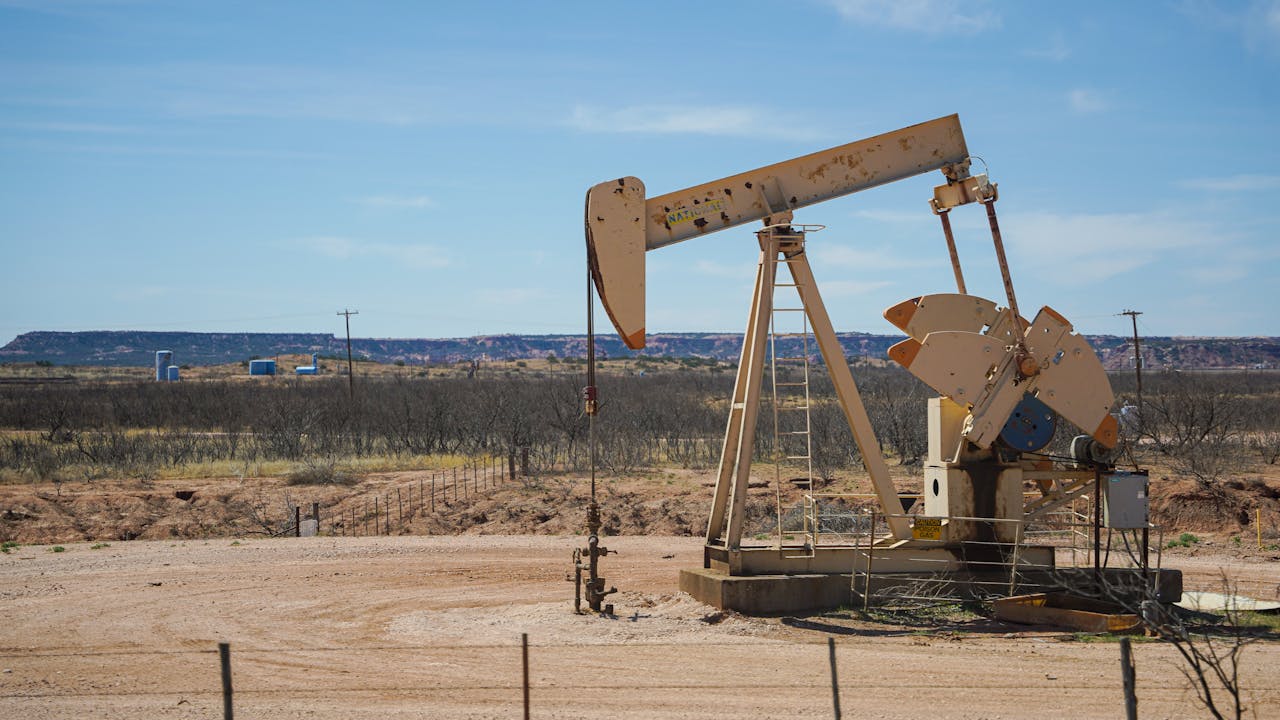
Oil prices moved higher during early Asian trading on Thursday after U.S. President Donald Trump warned that Washington was prepared to launch military action against Iran if Tehran failed to agree to a peace arrangement. The renewed geopolitical tension pushed global energy markets higher as investors closely monitored developments surrounding the Middle East conflict and the Strait of Hormuz.
Brent crude futures for July delivery gained 0.5% to reach $105.53 per barrel, while West Texas Intermediate (WTI) crude futures climbed 0.9% to $94.83 per barrel. The rebound followed two consecutive sessions of losses after Trump previously hinted that negotiations with Iran were making progress.
Despite earlier optimism over diplomatic talks, Trump later stated that the United States remained ready to carry out strikes against Iran, describing the situation as being “right on the borderline.” He added that the administration could delay further military action for “a few days” to allow room for negotiations.
Iran strongly rejected Trump’s warnings and cautioned that any new attacks by the U.S. or Israel could significantly escalate tensions across the region. Tehran also introduced a new “Persian Gulf Strait Authority” aimed at controlling shipping traffic through the Strait of Hormuz. Iranian officials had earlier discussed imposing toll fees on vessels using the strategic waterway.
The Strait of Hormuz remains a major focus for global markets because it handles nearly 20% of worldwide oil shipments. Although reports showed that two Chinese oil tankers successfully passed through the channel on Wednesday, overall traffic remains far below normal levels due to ongoing security concerns.
The disruption in Hormuz has become a major driver behind rising oil prices, as traders fear tighter global supply conditions. Meanwhile, newly released U.S. inventory data showed a sharp weekly decline in crude stockpiles, largely driven by increased American oil exports intended to offset supply disruptions linked to the Middle East crisis.
Analysts expect crude oil volatility to remain elevated as investors watch for updates on U.S.-Iran negotiations, regional military activity, and shipping conditions in the Strait of Hormuz throughout 2026.







