


 North Korea Reports Industrial Output at 105% of Target Following Party Congress
  US Stock Futures Edge Higher Ahead of Key Federal Reserve Decision
  Dollar Slips as U.S.-Iran Peace Deal Boosts Risk Appetite and Pressures Safe-Haven Demand
  ASX Proposes New Share Dilution Limits for Public Takeovers
  US-Iran Ceasefire Deal Extends Peace Talks and Eases Oil Trade Restrictions
  Wall Street Surges as US-Iran Deal Eases Oil Price and Inflation Concerns
  Taiwan Central Bank Likely to Keep Interest Rates Unchanged Through 2027
  Gold Prices Surge Above $4,300 as US-Iran Peace Deal Weakens Dollar and Oil
  Asian Markets Mixed Ahead of Key Central Bank Decisions
  Asian Stocks Advance as Nikkei Nears Record High Ahead of Fed Decision
  U.S. Gasoline Prices Fall Below $4 as U.S.-Iran Deal Eases Oil Market Concerns
  AI-Focused Asia Hedge Funds Deliver Triple-Digit Returns in 2026 Rally
  U.S.-Iran Peace Deal Extends Gulf Ceasefire, Reopens Strait of Hormuz
  BOJ Raises Interest Rates to 31-Year High, Signals Strong Focus on Inflation Risks
  Myanmar Economic Outlook Hit by Fuel Price Shock as World Bank Cuts Growth Forecast
  Global Motor Oil and Auto Paint Shortages Persist Despite Potential U.S.-Iran Peace Deal
  BOJ Raises Interest Rates to 1% as Inflation Pressures Persist


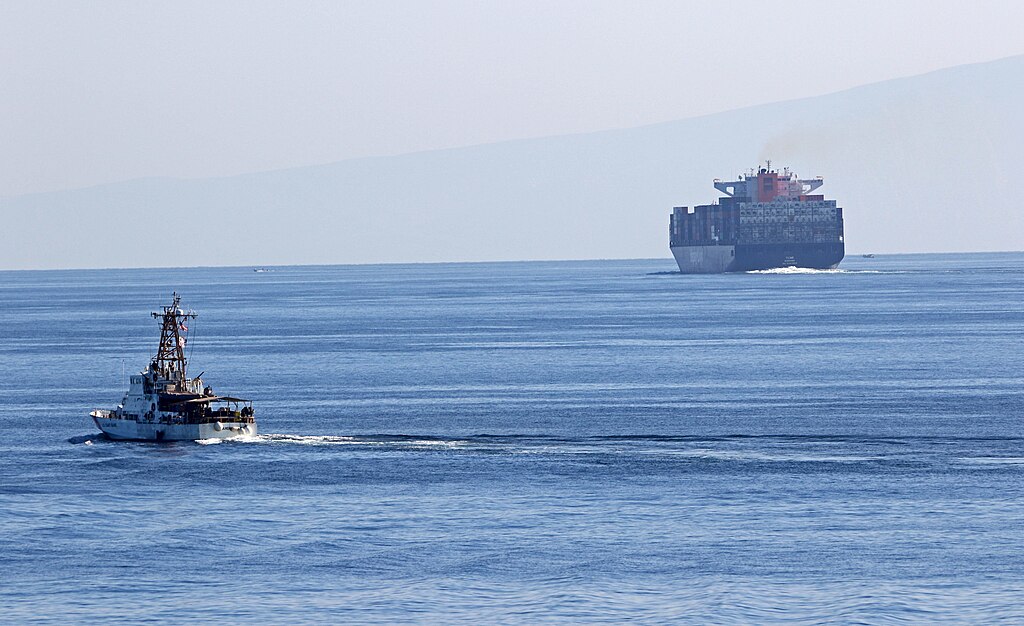
Global oil prices edged lower on Wednesday, extending losses from the previous two sessions as investors continued to evaluate the impact of a newly announced U.S.-Iran peace agreement. However, uncertainty surrounding the full restoration of shipping activity through the Strait of Hormuz prevented a sharper decline in crude oil markets.
Brent crude futures slipped 0.2% to $78.80 per barrel, while U.S. West Texas Intermediate (WTI) crude fell 0.3% to $75.80 per barrel. Both oil benchmarks have dropped roughly 5% in each of the last two trading sessions, reaching their lowest levels in three months.
Market analysts said traders are gradually removing the geopolitical risk premium that had been built into oil prices during the recent conflict. Optimism has grown following reports that the agreement would allow oil tanker traffic to resume through the Strait of Hormuz, one of the world's most critical energy shipping routes.
Under the proposed deal, the United States is expected to lift restrictions on Iranian ports, while Iran would permit unrestricted passage of oil tankers through the strategic waterway. Before disruptions began, nearly 20% of global crude oil and liquefied natural gas supplies passed through the Strait of Hormuz.
Despite the positive developments, analysts caution that a full return to normal shipping, production, and refining operations may take considerable time. Concerns also remain over the durability of the agreement, particularly after Israel distanced itself from both the earlier ceasefire and the latest U.S.-Iran understanding.
Meanwhile, weaker demand signals from China added pressure to oil markets. China's crude oil processing activity fell 9.1% year-over-year in May, marking its lowest level in almost four years and indicating refiners may be relying more heavily on existing inventories.
Supporting prices somewhat, data from the American Petroleum Institute showed U.S. crude oil inventories declined by 8.3 million barrels last week, significantly exceeding market expectations for a 4.6 million-barrel draw. Investors are now awaiting official inventory figures from the U.S. Energy Information Administration for further market direction.
With geopolitical developments and energy supply concerns still evolving, analysts expect oil prices to remain volatile in the near term as traders monitor the implementation of the U.S.-Iran agreement and the recovery of shipping through the Strait of Hormuz.







