


 RBA Rate Decision: Deputy Governor Signals Genuine Debate Ahead of March Meeting
  Oil Prices Surge as Strait of Hormuz Disruption and Middle East Conflict Threaten Global Supply
  Gold Prices Climb Amid U.S.-Iran War Uncertainty and Oil Supply Fears
  Chinese Electric Freight Trucks Are Disrupting Europe's Market in 2026
  Asian Stocks Slide as Middle East Conflict and Rising Oil Prices Shake Global Markets
  Chinese Yuan Edges Higher but Faces Biggest Weekly Drop in Over a Year Amid Strong Dollar
  Japan's BOJ Independence Under Fire as PM Takaichi's Rate Stance Draws Political Heat
  EU Seeks Stronger Canada Trade Ties Amid Uncertainty Over U.S. Tariff Policy
  U.S. Solar Market Contracts in 2025 as Trump Rolls Back Renewable Energy Incentives
  Dollar Gains as Middle East Conflict Boosts Safe-Haven Demand, Oil Prices and Inflation Concerns Rise
  Venezuela Opens Mining Sector to Foreign Investment Under New Law
  Chinese AI Stocks Surge as Tencent, MiniMax, and Zhipu Launch Agentic AI Programs
  U.S. Stocks Fall as Middle East Tensions Lift Oil Prices and AI Chip Export Rules Hit Tech Sector
  China Aims to Maintain Stable Employment Amid AI Growth and Labor Market Challenges
  Oil Prices Surge Over 3% as Middle East Conflict Raises Supply Fears
  ADB: Short Strait of Hormuz Closure Would Have Limited Impact on Developing Asia Growth


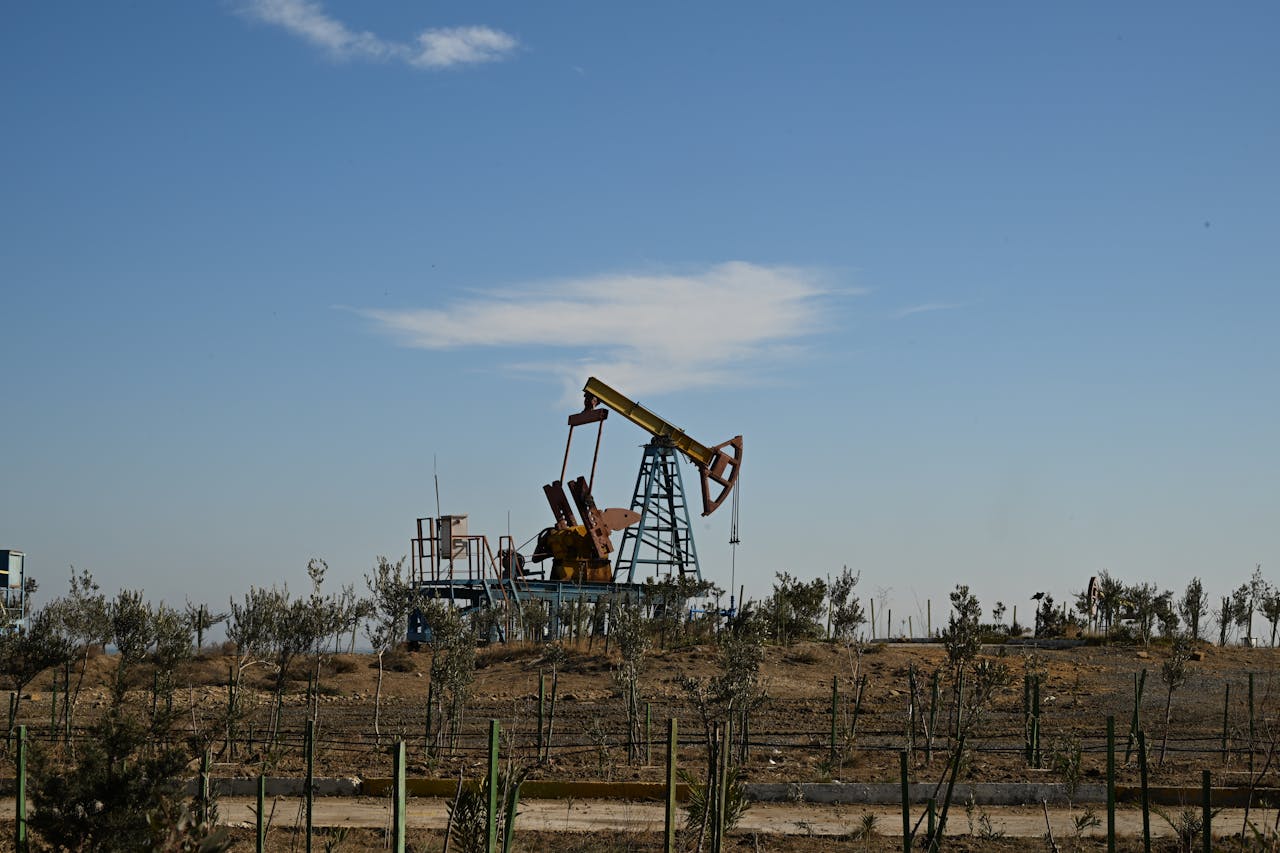
Oil prices dropped sharply on Tuesday, extending a volatile stretch that saw crude swing wildly in the previous session. Brent crude futures tumbled 10.5% to $88.61 per barrel, while West Texas Intermediate fell 10% to $84.48 per barrel, as markets digested a wave of geopolitical signals from Washington.
The sell-off was largely driven by comments from President Donald Trump, who suggested on Monday that a resolution to the ongoing U.S.-Israel conflict with Iran could be near. While no firm timeline was offered, the remarks were enough to ease some of the supply-risk premium that had pushed crude prices to nearly $120 per barrel earlier in the session. Iran, now in its eleventh consecutive day of conflict, pushed back by asserting it would determine when hostilities end. Trump also cautioned Tehran against closing the Strait of Hormuz, a critical chokepoint responsible for approximately 20% of global crude shipments.
Adding further downward pressure, Trump floated the possibility of granting sanctions waivers to certain oil-exporting nations, including Russia, to help cushion global supply disruptions. Reports also emerged that the U.S. and G7 nations were evaluating coordinated releases of emergency petroleum reserves to contain any inflation surge stemming from the conflict.
Despite Tuesday's decline, oil prices remain roughly 25% higher year-to-date, reflecting persistent anxieties over Middle East instability. The spike earlier this week was triggered by U.S. and Israeli strikes on Iranian energy infrastructure, followed by Iranian retaliatory attacks on regional oil facilities and vessels in the Strait of Hormuz.
Analysts at OCBC warned that the situation carries tail risks comparable to the 2022 Russia-Ukraine energy shock, cautioning that a prolonged closure of the Strait of Hormuz could significantly reduce global oil output and sustain upward pressure on both prices and inflation worldwide.













