


 Australia Consumer Confidence Plunges as RBA Rate Hike Hits Households
  Oil Prices Rise as Gulf Hurricane and Middle East Supply Risks Mount
  Bangladesh GDP Growth Accelerates to 4.6% on Industrial Rebound
  US Dollar Hits 18-Month High as Fed Signals More Rate Hikes
  Wall Street Falls as Fed Minutes Signal Another Rate Hike
  US Treasury Yields Ease After Strong 10-Year Auction as Global Bonds Struggle
  Trump Opens Tax-Exempt Dyed Diesel Access as Fuel Prices Surge
  Crypto Market Selloff Wipes Out $100B as Bitcoin Falls Below $83K
  Oil Prices Rise as Hormuz Risks Offset IEA Stock Release
  US-Led Coalition Targets Global Factory Overcapacity
  Dollar Retreats From 18-Month High as Euro Rebounds
  S&P 500 Hits Record High as AI Rally Lifts Wall Street
  Mike Rogers Calls for End to US-Canada Tariff War
  European Stocks Fall as Oil Rises Ahead of Fed Minutes
  Fed Minutes Signal Another Rate Hike by Year-End
  Japan Real Wages Rise 1.5%, Supporting BOJ Rate Hikes
  UK House Prices Flat in September as Mortgage Rates Weigh


 Add as a preferred source on Google
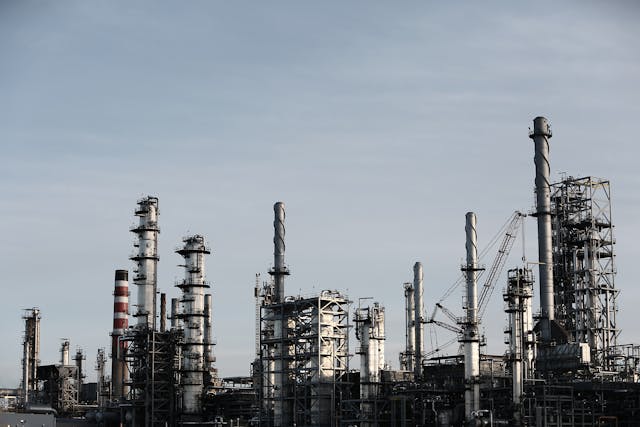
Oil prices stalled in Asian trading on Wednesday, with Brent at $73.20, as markets braced for Federal Reserve rate signals. Weakened demand from China, mixed U.S. inventory data, and a strengthening dollar added pressure to the volatile energy market.
Fed Meeting Keeps Oil Traders Cautious
Traders avoided large wagers on Wednesday in expectation of fresh interest rate signals, while industry data on U.S. inventories provided mixed signals, so oil prices remained mostly unchanged in Asian trade.
Following a week of rises due to speculation of further U.S. restrictions on Russian oil exports, crude prices have been mostly rangebound this week. The resurgence of worries about falling Chinese demand and an impending supply glut in the next year, however, prevented this momentum from lasting, Investing.com points out.
A stronger dollar also put pressure on oil prices, as traders continued to favor the dollar ahead of Wednesday's Federal Reserve meeting's conclusion.
As of 20:11 ET (01:11 GMT), the February expiration price of Brent oil futures was $73.20 per barrel and the January expiration price of West Texas Intermediate crude futures was $69.66 per barrel.
U.S. Inventory Trends Offer Conflicting Signals
U.S. oil stocks fell by 4.7 million barrels in the week ending December 13, according to data released Tuesday evening by the American Petroleum Institute. This was more than the predicted fall of 1.9 million barrels.
However, distillates gained 700,000 barrels to the stockpile, and gasoline inventories increased by 2.4 mb.
Although overall U.S. supplies were tightening, the data suggested that gasoline consumption was likely cooling due to reduced travel throughout the winter. For the next two months or more, this pattern is predicted to hold.
Nonetheless, following two consecutive weeks of massive builds, last week's pullback is a welcome change. Additionally, comparable readings from government inventory data are typically heralded by API data; this data is due later on Wednesday.
China's Economic Struggles Weigh on Oil Demand
This week, all eyes were on the Federal Open Market Committee meeting, which will end later on Wednesday.
Interest rate reduction of 25 basis points are widely anticipated by the central bank. However, traders are keeping an eye out for signs that the Fed may slow down the pace of cuts in the coming months. This is particularly true in light of recent data showing persistent inflation, healthy consumer spending, and a strong labor market.
Oil prices were affected by the expectation of a stronger dollar due to this scenario.
Economic growth is anticipated to be weighed down by somewhat higher rates next year, which might reduce demand for oil. The US economy's resiliency, nevertheless, might counteract this tendency.
Top importer China reported a string of average economic data last week, adding fuel to the fire of concerns about sluggish demand. More stimulus efforts in the nation were likewise met with mostly disappointing signals.







