


 Vietnam’s Trade Surplus With US Jumps as Exports Surge and China Imports Hit Record
  RBI Holds Repo Rate at 5.25% as India’s Growth Outlook Strengthens After U.S. Trade Deal
  Dow Hits 50,000 as U.S. Stocks Stage Strong Rebound Amid AI Volatility
  Trump Signs Executive Order Threatening 25% Tariffs on Countries Trading With Iran
  U.S.-India Trade Framework Signals Major Shift in Tariffs, Energy, and Supply Chains
  South Korea Assures U.S. on Trade Deal Commitments Amid Tariff Concerns
  Russian Stocks End Mixed as MOEX Index Closes Flat Amid Commodity Strength
  Gold and Silver Prices Slide as Dollar Strength and Easing Tensions Weigh on Metals
  Trump’s Inflation Claims Clash With Voters’ Cost-of-Living Reality
  South Africa Eyes ECB Repo Lines as Inflation Eases and Rate Cuts Loom
  Japanese Pharmaceutical Stocks Slide as TrumpRx.gov Launch Sparks Market Concerns
  Fed Governor Lisa Cook Warns Inflation Risks Remain as Rates Stay Steady
  China Extends Gold Buying Streak as Reserves Surge Despite Volatile Prices
  Dollar Near Two-Week High as Stock Rout, AI Concerns and Global Events Drive Market Volatility
  Japan Economy Poised for Q4 2025 Growth as Investment and Consumption Hold Firm
  India–U.S. Interim Trade Pact Cuts Auto Tariffs but Leaves Tesla Out
  Bank of Japan Signals Readiness for Near-Term Rate Hike as Inflation Nears Target


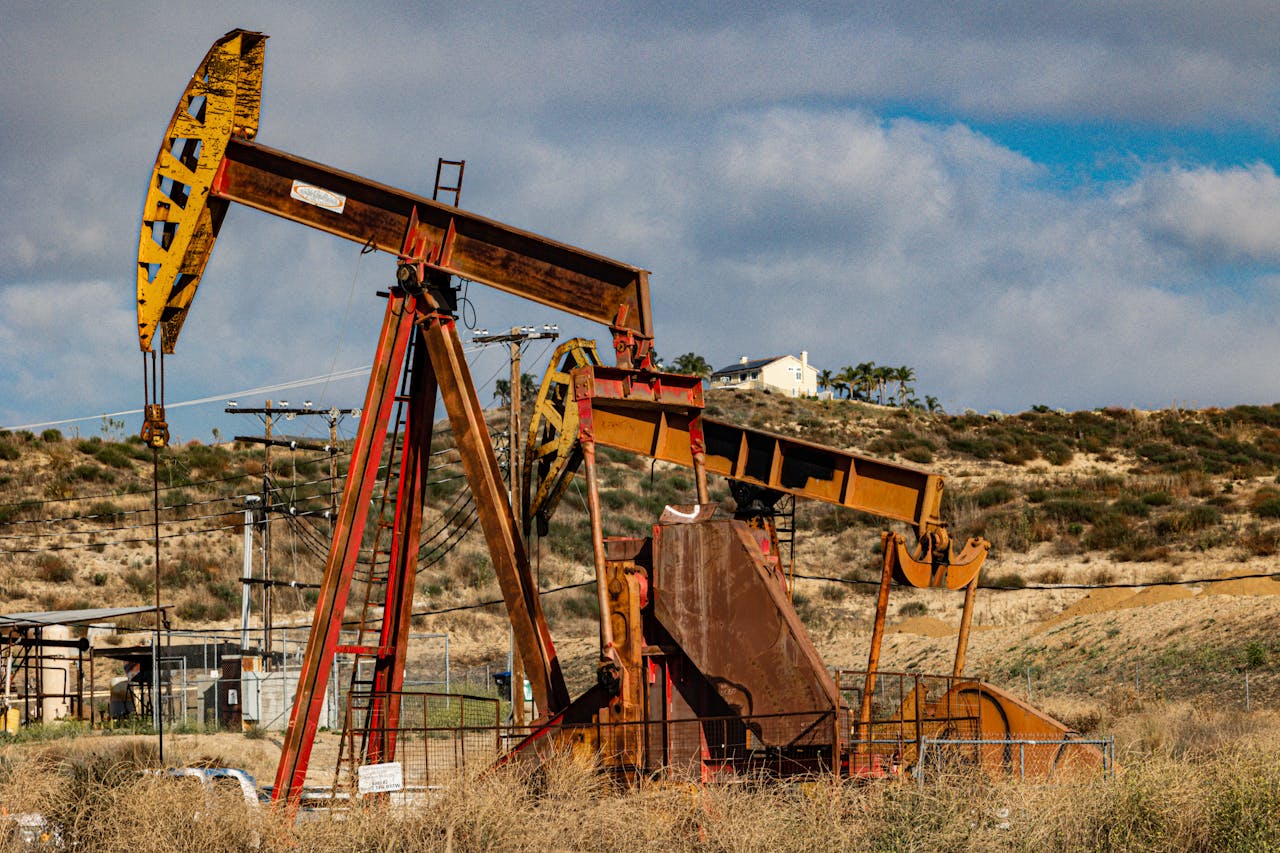
Oil prices held steady in Asian trading on Tuesday after a strong rally in the previous session, as investors evaluated the implications of a smaller-than-expected OPEC+ production increase. As of 21:44 ET (01:44 GMT), Brent crude futures for September delivery rose 0.2% to $65.60 per barrel, while West Texas Intermediate (WTI) crude futures gained 0.2% to $61.80 per barrel. Both benchmarks advanced over 1% on Monday, rebounding from a sharp weekly loss after OPEC+ announced only a modest supply boost, easing fears of a sudden market glut.
The OPEC+ alliance, which includes Russia, agreed to raise production by about 137,000 barrels per day—continuing the cautious pace set last October. The decision signaled the group’s ongoing focus on price stability rather than market share expansion. Analysts at ING noted that the alliance’s conservative approach reflects expectations of a possible supply surplus later this year and in 2026, as demand growth slows amid economic weakness in China and Europe.
According to the International Energy Agency (IEA), global oil production could rise by more than 2 million barrels per day next year, driven by both OPEC+ and non-OPEC producers such as the United States and Brazil. However, demand is expected to remain subdued, creating the risk of a growing surplus that could weigh on prices in the medium term.
Oil prices also found support from escalating geopolitical tensions. Ukraine’s intensified drone attacks on Russian refineries in Kirishi and Ryazan disrupted fuel processing, tightening Russia’s export capacity and adding upward pressure on crude prices. Meanwhile, the ongoing U.S. government shutdown since October 1 has delayed key economic data releases, clouding the Federal Reserve’s policy outlook and increasing caution among investors. The resulting uncertainty continues to temper bullish sentiment in oil markets, as concerns mount over broader economic risks.













