


 Iran Reopens Strait of Hormuz Amid Fragile Ceasefire and Ongoing Nuclear Tensions
  Anthropic CEO Meets Trump Officials to Discuss Powerful New AI Model Mythos
  North Korea Fires Ballistic Missile Eastward Amid Rising Global Tensions
  Bulgaria Election 2026: Rumen Radev’s Landslide Victory Signals Political Shift and Economic Implications
  Ukraine's Svyrydenko Returns from U.S. With Renewed Support and Diplomatic Momentum
  House Republicans Near Deal on FISA Extension with Limited Reforms
  Iran Closes Strait of Hormuz Again After Brief Reopening, Rattling Global Energy Markets
  Strait of Hormuz: why even neutral and distant countries like Switzerland can’t escape the fallout
  UNICEF Condemns Killing of Aid Workers Delivering Water in Gaza
  South Korea Denies U.S. Intelligence Restrictions Over North Korea Nuclear Site Disclosure
  Rising U.S.-Iran Conflict Fuels Oil Market Volatility and Ceasefire Uncertainty
  Keir Starmer Faces Resignation Pressure Over Mandelson Appointment Controversy
  Peru Election 2025: Vote Count Delays Spark Calls to Remove Electoral Chief
  Trump and IRS in Settlement Talks Over $10 Billion Tax Return Leak Lawsuit
  Nigeria’s new election law leaves gaps: 5 reforms for free, fair and credible polls
  China Warns Against Rising Military Alliances in Asia-Pacific Amid US-Philippines Drills
  Trump's Iran Claims Spark Market Confusion Over Strait of Hormuz


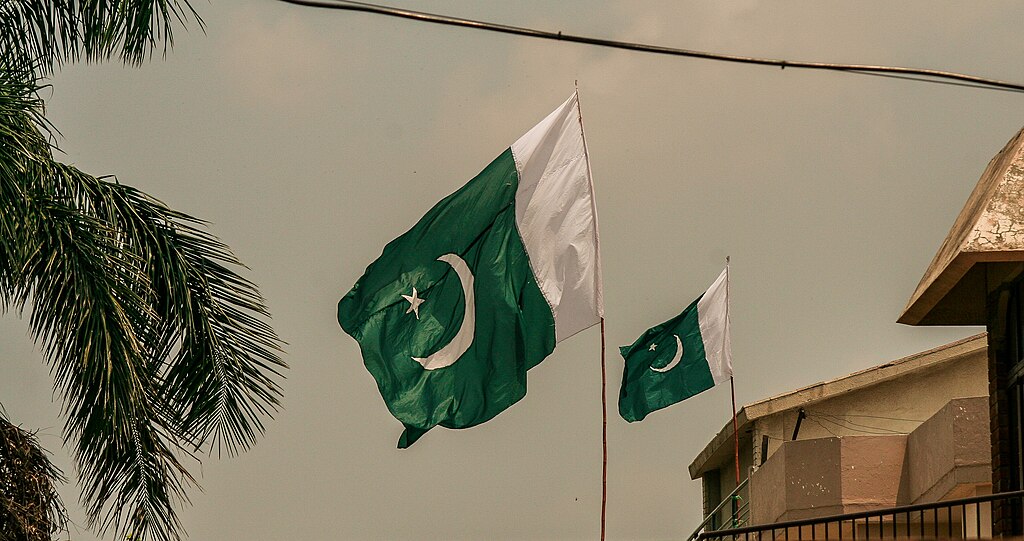
Pakistan has reportedly put a $1.5 billion arms deal with Sudan on hold after Saudi Arabia requested the agreement be terminated and declined to finance the purchase. According to Pakistani security and diplomatic sources, the decision highlights shifting geopolitical dynamics in the region and growing caution among key allies.
The proposed defense deal, which included the supply of military jets and weapons systems, was initially progressing toward completion earlier this year. It was reportedly brokered with Saudi involvement, although Riyadh’s financial backing had not been publicly confirmed at the time. Pakistan’s defense exports have gained increased global attention following heightened military activity with India, making such deals strategically significant for Islamabad.
Saudi Arabia, a long-standing ally of Pakistan, has played a crucial role in supporting the country’s economy through loans and financial assistance. The two nations strengthened ties further with a mutual defense pact signed last year. However, Saudi Arabia’s recent decision to withdraw funding signals a shift in its foreign policy approach, particularly regarding involvement in conflicts across Africa.
Sudan remains embroiled in a prolonged conflict between its national army and the paramilitary Rapid Support Forces (RSF), creating one of the world’s worst humanitarian crises. The ongoing violence has drawn international concern and increased competition among foreign powers, turning Sudan into a strategic hotspot due to its location and gold resources.
Sources indicate that Western nations have advised Saudi Arabia to avoid deeper involvement in proxy conflicts in Africa. A meeting in Riyadh in March between Sudanese military leaders and Saudi officials reportedly led to the final decision to halt financing for the arms deal.
Additionally, another major defense agreement between Pakistan and Libya’s National Army, valued at $4 billion, may also be at risk as Saudi Arabia reassesses its regional strategy. These developments underline the complex interplay of alliances and shifting priorities shaping defense and foreign policy decisions in the Middle East and beyond.







