


 Mexico Bars Dual Citizens From Presidential Races Starting in 2028
  Zelenskiy Criticizes US as Russian Strikes Kill 78 in Ukraine
  San Francisco Halts New Data Center Construction With 45-Day Moratorium
  EU Rejects Italy, Greece Calls for Fiscal Rule Flexibility
  France to Release 10 Million Barrels of Diesel to Ease Fuel Prices
  Iran Refuses to Halt Uranium Enrichment Amid US Nuclear Demands
  UK Warned Over Growing Reliance on US Cloud Providers
  US Suspends Microsoft, Adobe From Green Card Program
  US Conducts Non-Nuclear Explosion Test to Boost Nuclear Detection
  Fairshake Backs 32 Pro-Crypto House Candidates
  US Charges Maduro and Wife With Torture Conspiracy
  Trump Weighs FBI Probe Into Nolan Wells’ Death
  SEC Investor Reform Validates Barry Silbert’s Tokenization Vision
  Marco Rubio Warns Russia-Ukraine War Could Spark Wider Conflict
  US-Taiwan Ties Remain Strong as Taipei Urges Timely Arms Deliveries
  Trump Backs Florida Golf Course as Presidential Retreat
  UK Sanctions Crypto Exchanges Linked to Russia


 Add as a preferred source on Google
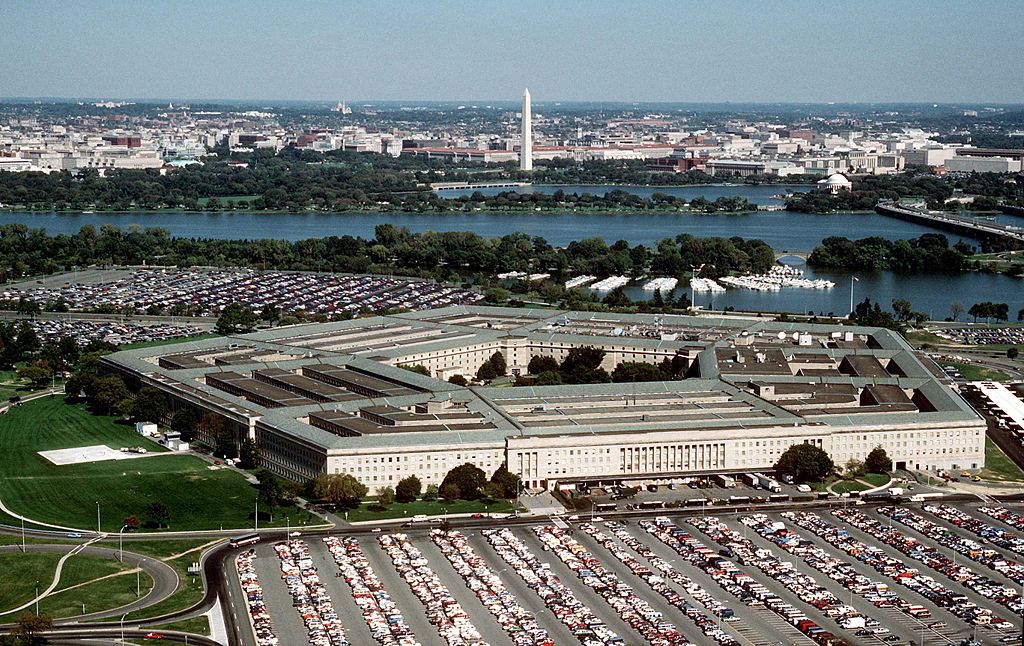
The U.S. Department of Defense has announced it will terminate all professional military education programs connected to Harvard University, marking a significant shift in the Pentagon’s approach to academic partnerships. The decision was made public late Friday by Defense Secretary Pete Hegseth, who stated that the department would no longer participate in military training, fellowships, or certificate programs hosted by the Ivy League institution.
In a statement shared on the social media platform X, Hegseth said the Department of War was “formally ending all Professional Military Education, fellowships, and certificate programs with Harvard University.” He criticized the university’s ideological direction, describing it as “woke,” a term frequently used in U.S. political discourse to refer to institutions perceived as promoting progressive social values.
For decades, Harvard University has been one of several elite academic institutions offering specialized programs for military officers, national security professionals, and defense officials. These programs have traditionally focused on leadership, strategic studies, public policy, and international relations, and have been viewed as valuable opportunities for senior military personnel to engage with civilian academics and policymakers.
The Pentagon’s decision signals a broader cultural and political debate over the role of ideology in higher education and its relationship with government institutions. Supporters of the move argue that military education should remain strictly focused on defense readiness, national security, and operational effectiveness, without what they see as political or social agendas. Critics, however, warn that cutting ties with major universities like Harvard could limit exposure to diverse perspectives and weaken civil-military collaboration.
So far, Harvard University has not issued an official response to the announcement. It remains unclear how many active programs or participants will be affected, or whether similar actions may be taken involving other universities.
The move is already drawing attention across political, academic, and defense communities, as it reflects ongoing tensions between federal institutions and higher education. As debates over culture, governance, and education continue in the United States, the Pentagon’s decision may set a precedent for how future partnerships between the military and academic institutions are evaluated and structured.







