


 EU Rejects Italy, Greece Calls for Fiscal Rule Flexibility
  New York Declares Measles Disaster Emergency as Cases Surge
  Trump Rallies in Texas as Republicans Face Tight Midterm Races
  US Government Moves $1 Billion in Bitcoin Amid Sale Speculation
  Trump Opens Tax-Exempt Dyed Diesel Access as Fuel Prices Surge
  US Pressures Allies to Distance From Anti-Disinformation Conference
  EU Gives Crypto Platforms Three Months to Remove USDT Under MiCA Rules
  Trump Says He Deserves 2026 Nobel Peace Prize Despite Uncertain Chances
  Circle Urges EU to Revise MiCA Stablecoin Rules
  Tsai Warns of China’s Sustained Pressure on Taiwan
  Saudi Arabia Probes Flydubai Cockpit Attack
  Iran Refuses to Halt Uranium Enrichment Amid US Nuclear Demands
  Mexico Bars Dual Citizens From Presidential Races Starting in 2028
  Trump Weighs FBI Probe Into Nolan Wells’ Death
  US Treasury Drops Crypto Wallet Tracking Plan
  OpenAI, Anthropic Back Mandatory AI Breach Reporting in Australia
  Trump Plans Diesel Tax Relief as Fuel Prices Hit Record Highs


 Add as a preferred source on Google
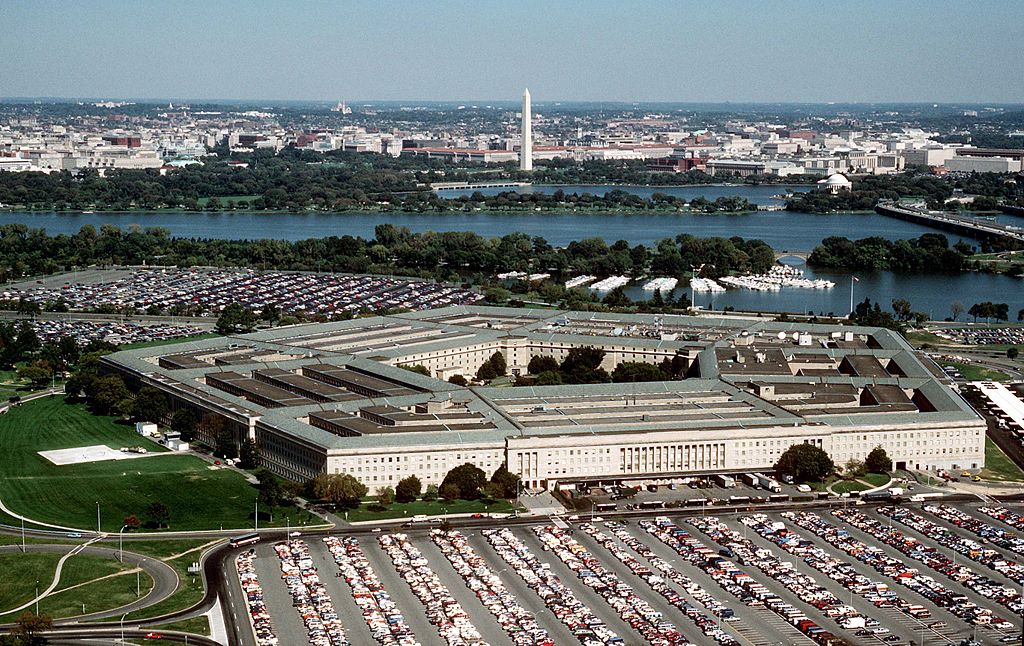
Dozens of journalists covering the U.S. Defense Department vacated their Pentagon offices this week after new restrictions on media access took effect, marking a major shift in how reporters interact with the military. The Defense Department imposed a deadline for outlets to sign a new Pentagon access policy or lose credentials and workspace privileges. At least 30 organizations—including Reuters—refused to comply, calling the policy a threat to press freedom and transparency.
The updated rules require journalists to acknowledge that they could be labeled as security risks and have their credentials revoked if they seek information—classified or certain types of unclassified—from Pentagon employees. The Pentagon Press Association, representing over 100 outlets, condemned the move as “a dark day for press freedom,” warning that it undermines public accountability and free speech.
Chief Pentagon spokesperson Sean Parnell defended the policy, saying it only requires acknowledgment, not agreement. “This has caused reporters to have a full-blown meltdown,” he said, insisting the policy protects troops and national security.
Reporters described the Pentagon’s press area as eerily quiet on Wednesday as teams dismantled offices and removed equipment. Veteran journalist JJ Green from WTOP noted he had “never seen that place not buzzing like a beehive.” Others, like Defense News’ Stephen Losey, stressed that reporters have always respected classified boundaries.
Despite the restrictions, many journalists vowed to continue reporting on U.S. military affairs. One Pentagon Press Association member noted the irony of the policy, saying, “We’re not discussing controlled information in hallways—we’re doing it over encrypted apps like Signal.”
The new rules reflect growing tension between the Pentagon and the press under Defense Secretary Pete Hegseth, a former Fox News host—whose own network has also refused to sign the policy.







