


 Saudi Arabia Probes Flydubai Cockpit Attack
  San Francisco Halts New Data Center Construction With 45-Day Moratorium
  Merz Warns of Extremism After AfD Gains Power in Saxony-Anhalt
  Saudi Airport Attacks Kill Three as Yemen Fighting Escalates
  US Treasury Drops Crypto Wallet Tracking Plan
  Hegseth Praises USS Abraham Lincoln Crew After Record Iran War Deployment
  North Korea Slams US Taiwan Arms Sales, Reaffirms Russia Support
  US Pressures Allies to Distance From Anti-Disinformation Conference
  Pentagon Launches Autonomous Warfare Command
  Mexico Bars Dual Citizens From Presidential Races Starting in 2028
  Iran Tanker Attacks Surge as Hormuz Oil Flows Near Prewar Levels
  Trump Says He Deserves 2026 Nobel Peace Prize Despite Uncertain Chances
  Trump Backs Florida Golf Course as Presidential Retreat
  UK Warned Over Growing Reliance on US Cloud Providers
  Rapidus Seeks Chip Customers as Japan Pushes 2nm Semiconductor Revival
  CFTC Moves to Define Prediction Markets as Swaps


 Add as a preferred source on Google
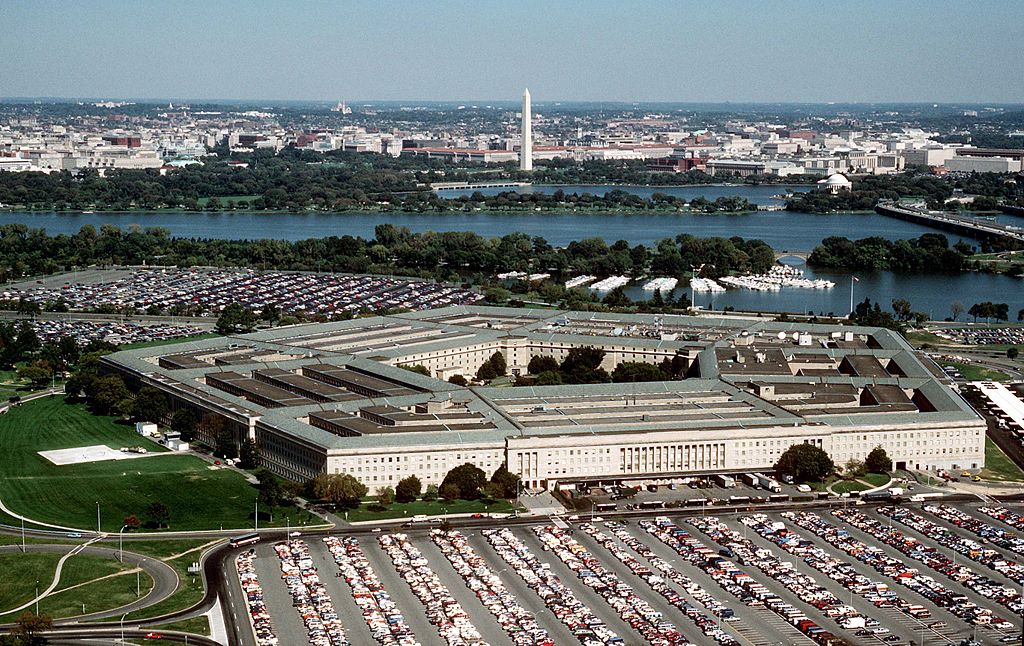
The Pentagon is reinstating mandatory testosterone deficiency screening for U.S. service members aged 30 and older, reviving a controversial military health policy that has drawn concerns from medical professionals over potential risks and the need for widespread testing.
Defense Secretary Pete Hegseth first announced the testosterone screening requirement in July as part of an effort aimed at improving military readiness. Hegseth has promoted testosterone treatment as a potential tool for supporting the health and performance of service members.
The original Pentagon guidance also included provisions for women. Female service members were expected to undergo questionnaire-based screening before potentially receiving further evaluation and treatment for health conditions linked to hormonal imbalances.
However, the Defense Department temporarily withdrew the published medical guidance in early September, saying officials needed additional time to make updates. The latest Pentagon decision ends that pause and allows mandatory testosterone testing to proceed.
It remains unclear whether the Defense Department made significant changes to the original policy before reinstating it.
"Effective immediately, this guidance addresses male testosterone deficiency, establishing uniform screening and treatment pathways," Pentagon spokesperson Sean Parnell said in a statement Thursday.
The policy establishes a standardized approach for identifying testosterone deficiency among eligible male service members and determining potential treatment options.
The initiative has faced criticism from some medical experts, who question whether routine testosterone screening is necessary for otherwise healthy men without symptoms. Medical professionals have also cautioned that testosterone therapy can carry health risks when prescribed without an appropriate clinical need.
Among the potential concerns is reduced fertility, as externally administered testosterone can suppress the body's natural hormone production and interfere with sperm production. Other health consequences may also arise depending on a patient's condition, dosage and treatment duration.
With the Pentagon lifting its temporary suspension, testosterone deficiency screening is now set to resume across the U.S. military under the updated Defense Department guidance.







