


 Trump Invokes Defense Production Act to Boost U.S. Energy Supply Amid Rising Fuel Prices
  Trump Extends Iran Ceasefire Amid Ongoing Negotiations and Pakistan’s Request
  Canada-USMCA Review 2026: No Collapse Expected Despite July 1 Deadline
  UN Secretary-General Race 2027: Key Candidates Competing to Replace Antonio Guterres
  Iran Open to U.S. Talks in Pakistan if Pressure Policy Ends, Official Says
  Trump Nominates Economist Christopher Phelan as Chief Economic Adviser
  Israel Expands Southern Lebanon Buffer Zone Despite Fragile Ceasefire with Hezbollah
  US Sanctions Target Iran Weapons Network Amid Rising Tensions
  Trump Administration Files Fraud Charges Against Southern Poverty Law Center Over Informant Payments
  Gaza Violence Continues Despite Ceasefire as Israeli Strikes and Clashes Escalate
  US-Iran Peace Talks Fuel Market Optimism Amid Ongoing Tensions
  Virginia Redistricting Vote Boosts Democrats Ahead of Midterm Elections
  Carney Warns Canada Must Rethink U.S. Ties Amid Trade Tensions and Sovereignty Concerns
  Argentina’s Milei Pushes Electoral Reform to End Mandatory Primaries
  France Supports Lebanon-Israel Negotiations Without Direct Role, Says Macron
  Rising U.S.-Iran Conflict Fuels Oil Market Volatility and Ceasefire Uncertainty
  Sharif Welcomes Trump’s Ceasefire Extension in U.S.-Israel-Iran Conflict


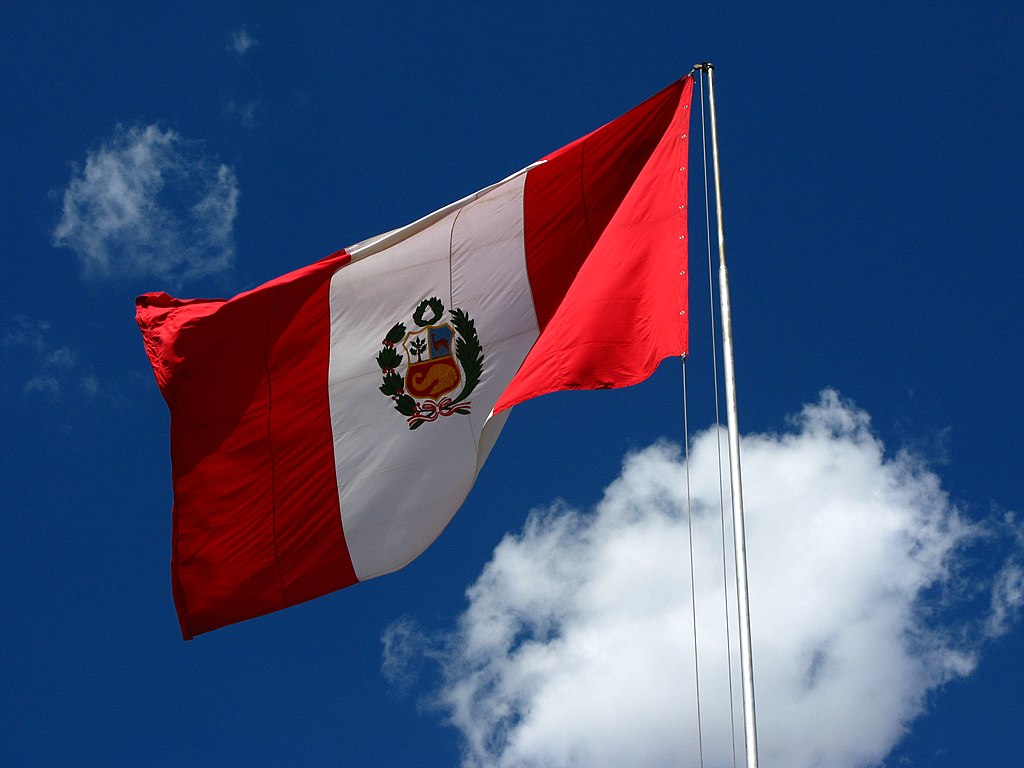
Peru’s political uncertainty intensified after Piero Corvetto, head of the country’s electoral authority, officially resigned following mounting pressure over delays in the April 12 general election results. The prolonged vote count has sparked widespread concern, raising questions about transparency and fueling allegations of electoral fraud from various political groups.
Corvetto announced his resignation through a public letter shared on X, stating that stepping down was “necessary and unavoidable” to restore public trust ahead of the presidential runoff scheduled for June 7. While he acknowledged logistical setbacks in the election process, he firmly denied any irregularities, emphasizing that the integrity of the vote remains intact. He also highlighted the need for an “impartial and exhaustive investigation” to address unresolved concerns and ensure credibility moving forward.
The delay in finalizing election results has drawn criticism from business leaders, lawmakers, and candidates, many of whom demanded leadership changes within Peru’s electoral system. Despite these claims, European Union election observers reported no evidence of fraud, reinforcing confidence in the legitimacy of the electoral process.
Authorities began reviewing thousands of contested ballots earlier this week, further slowing the official vote count. These ballots were challenged due to inconsistencies, missing data, or errors in tally sheets. As a result, the race for second place remains highly competitive, with no confirmed challenger yet to face conservative frontrunner Keiko Fujimori in the upcoming runoff.
With approximately 94% of votes counted, Fujimori leads with around 17% support. Meanwhile, left-wing congressman Roberto Sanchez and conservative candidate Rafael Lopez Aliaga are locked in a tight battle for second place, separated by a narrow margin of about 14,000 votes.
Peru’s National Jury of Elections (JNE) has accepted Corvetto’s resignation and confirmed that final election results are expected by May 15. As the country navigates this critical period, restoring voter confidence remains a top priority.







