


 Instagram Outage Disrupts Thousands of U.S. Users
  FxWirePro- Major Crypto levels and bias summary
  CK Hutchison Launches Arbitration After Panama Court Revokes Canal Port Licences
  Meta Faces Lawsuit Over Alleged Approval of AI Chatbots Allowing Sexual Interactions With Minors
  Weight-Loss Drug Ads Take Over the Super Bowl as Pharma Embraces Direct-to-Consumer Marketing
  Toyota’s Surprise CEO Change Signals Strategic Shift Amid Global Auto Turmoil
  Trump Family Files $10 Billion Lawsuit Over IRS Tax Disclosure
  Fed Governor Lisa Cook Warns Inflation Risks Remain as Rates Stay Steady
  Gold and Silver Prices Rebound After Volatile Week Triggered by Fed Nomination
  American Airlines CEO to Meet Pilots Union Amid Storm Response and Financial Concerns
  TrumpRx Website Launches to Offer Discounted Prescription Drugs for Cash-Paying Americans


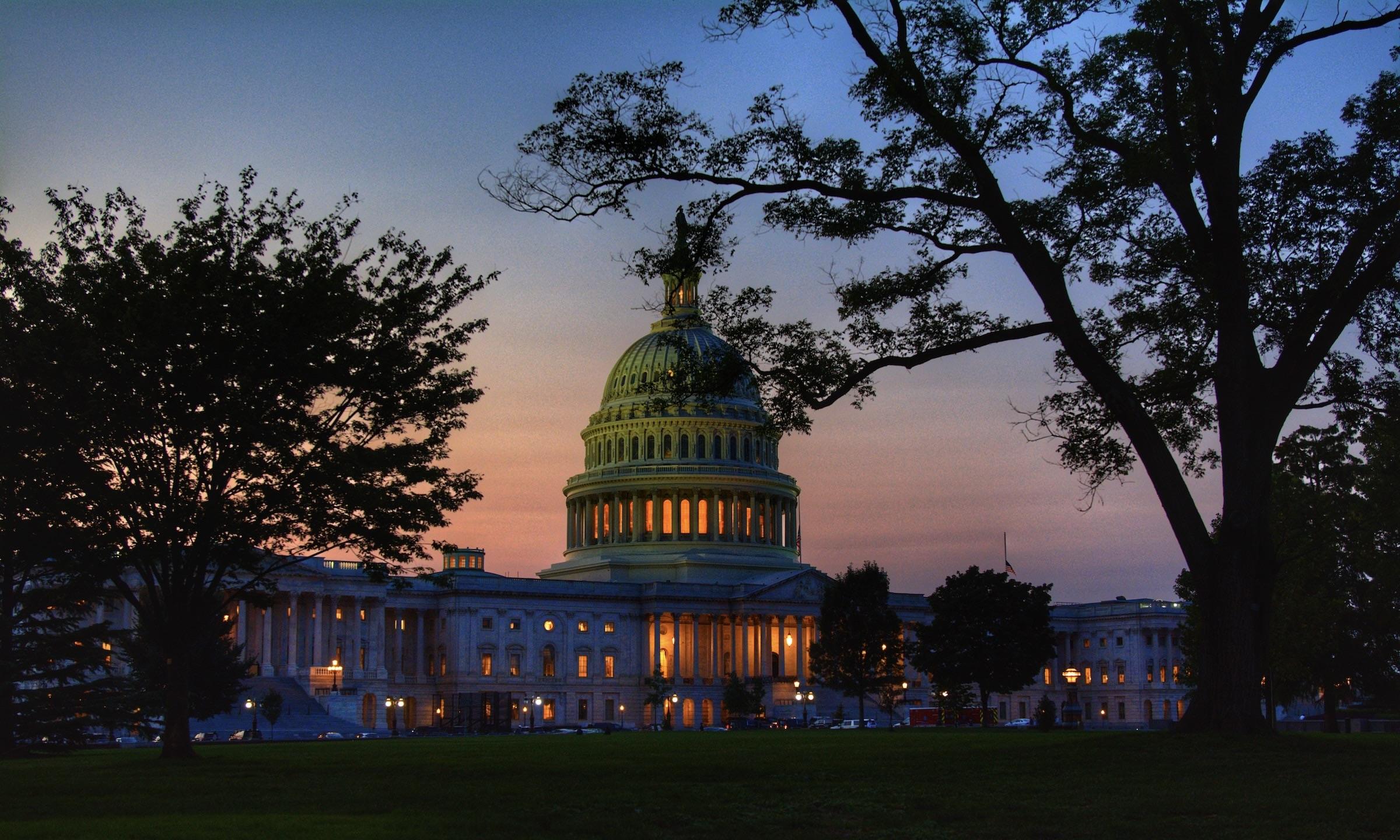
A potential U.S. government shutdown could impede critical crypto bills and disrupt economic data, impacting financial markets and the Federal Reserve's decisions in the months ahead.
"In the aftermath of a shutdown, it is unclear what issues will rise to the top of the priority list in terms of gathering congressional interest," Sheila Warren, CEO of the Crypto Council for Innovation, told Cointelegraph. Such important crypto bills are similar to when Coinbase won U.S. regulatory approval to offer Bitcoin and Ether futures to retail customers,
Financial regulators, including the Securities and Exchange Commission (SEC) and Commodity Futures Trading Commission, would operate with limited capabilities due to skeleton crews. Previous shutdowns, triggered when Congress fails to pass funding legislation for the next fiscal year, have revealed the SEC's constrained enforcement and oversight abilities, compromising investor protection.
Economic Data Delays and Market Volatility
A government shutdown could lead to significant delays in releasing vital economic data, potentially triggering financial market volatility. Investors may face challenges in predicting the economy's trajectory as they turn to alternative data sources.
According to Reuters, as Washington inches closer to its fourth partial government shutdown in a decade, the interruption of government services, particularly the publication of major economic reports, including employment and inflation data, could disrupt equity and bond markets worldwide.
Clifton Hill, Global Macro Portfolio Manager at Acadian Asset Management, warned that suspending government data releases would increase volatility and decrease visibility, compounding the existing difficulties in economic forecasting. Investors would have to rely on currently available survey data and non-governmental economic indicators.
Increased Uncertainty for Federal Reserve Bank's Decisions
Market turbulence resulting from the potential shutdown would further complicate the Federal Reserve Bank's rate decisions in the next three to six months. Uncertainty would rise as market participants struggle to gauge the trajectory of monetary policy due to the lack of reliable government data.
Key government data releases expected in the coming weeks, such as jobless claims, unemployment figures, and inflation rates, hold substantial influence over monetary policy decisions.
Photo: MIKE STOLL/Unsplash













