


 Goldman Sachs Delays Bank of England Rate Cut Forecast Amid Middle East Inflation Risks
  Fed Holds Rates Steady as Middle East Conflict Clouds Inflation Outlook
  Asian Currencies Slide as Oil Prices Surge Amid U.S.-Israel-Iran Conflict
  Bank of Japan Holds Rates Steady Amid Iran War Inflation Fears
  Bank of Japan Governor Signals Gradual Progress Toward 2% Inflation Target
  Taiwan Central Bank Expected to Hold Interest Rates Steady Through 2027
  U.S. Stock Futures Slide as Iran Conflict and Inflation Fears Rattle Wall Street
  RBA Rate Decision: Deputy Governor Signals Genuine Debate Ahead of March Meeting
  Global Markets Reel as Middle East Tensions Escalate Energy Fears
  BOJ Holds Interest Rates Steady Amid Middle East Uncertainty
  RBA Raises Cash Rate to 4.10% in Closest Vote Since Transparent Voting Began
  Saudi Arabia Warns Oil Prices Could Surge Past $180 a Barrel Amid U.S.-Israel-Iran Conflict
  U.S. Markets Post Fourth Straight Weekly Loss Amid Middle East Escalation


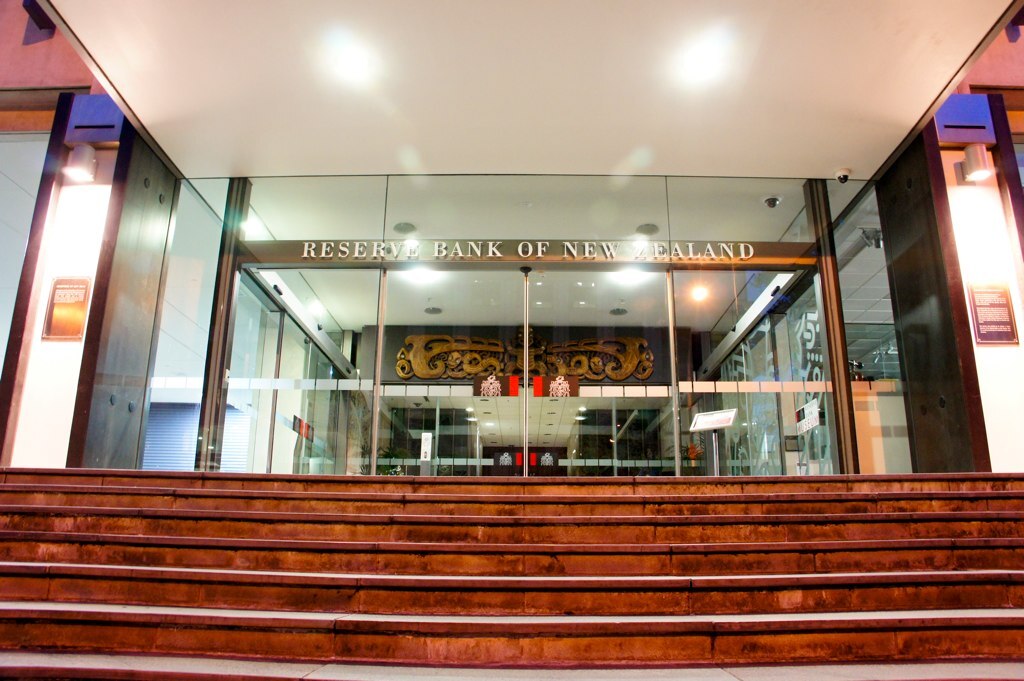
Reserve Bank of Australia (RBA) Governor Michele Bullock has signaled that the central bank could raise interest rates again as soon as its March 17–18 meeting, even without waiting for first-quarter inflation data. Speaking at a business summit in Sydney, Bullock emphasized that the upcoming policy decision will be a “live meeting,” underscoring the RBA’s readiness to act swiftly if inflation pressures persist.
Bullock clarified that the RBA is not solely dependent on quarterly inflation figures when determining monetary policy. With inflation and employment conditions described as “tight,” the central bank is closely monitoring whether it needs to move more quickly to maintain price stability. The comments have intensified market expectations of a potential rate hike, particularly after the RBA increased the cash rate by 25 basis points in February to counter a late-2025 rebound in inflation.
Australia’s core inflation is projected to rise above the RBA’s target range of 2% to 3% this year. The central bank has already warned that inflation is likely to decline at a slower pace than previously anticipated. Adding to these concerns are escalating energy prices linked to the worsening U.S.-Iran conflict. Bullock cautioned that energy-related supply shocks could further fuel inflation and risk lifting inflation expectations, complicating the RBA’s policy outlook.
Addressing the RBA’s dual mandate of inflation control and full employment, Bullock acknowledged that a more aggressive response to inflation was possible but would have come at the cost of higher unemployment. For now, the central bank appears more focused on curbing inflation, which it views as the more immediate economic threat.
On the topic of artificial intelligence, Bullock noted that AI-driven job losses have been limited so far and are expected to remain minimal over the next year. However, she acknowledged uncertainty about AI’s long-term impact on employment across various sectors.
Investors and businesses will be closely watching the March meeting for further guidance on Australia’s interest rate outlook and monetary policy direction.













