


 SK Biopharmaceuticals Secures Global Rights to Biohaven Epilepsy Drug Opakalim
  OpenAI, Anthropic Back Mandatory AI Breach Reporting in Australia
  US Suspends Microsoft, Adobe From Green Card Program
  New Mexico Measles Outbreak Cost Reached $5.4 Million, Study Finds
  Saudi Arabia Probes Flydubai Cockpit Attack
  FDA Weighs Safety Standards for Psychedelic Therapies
  US Grants Aurora Five-Year Exemption for Self-Driving Trucks
  US Treasury Drops Crypto Wallet Tracking Plan
  HUTCHMED, AstraZeneca Seek FDA Approval for Lung Cancer Combo
  Novartis Shares Plunge After Muscle Drug Fails Phase III Trial
  SEC Investor Reform Validates Barry Silbert’s Tokenization Vision
  Moderna Short Sellers Hit With $4.8 Billion Loss as Stock Soars
  Novo Nordisk Raises 2025 Outlook Despite Wegovy Pill Miss and CagriSema Setback
  US Waives $320M Egypt Military Aid Conditions After Iran War Role
  Hengrui Shares Rise on $2.6 Billion Novo Nordisk Obesity Drug Deal


 Add as a preferred source on Google
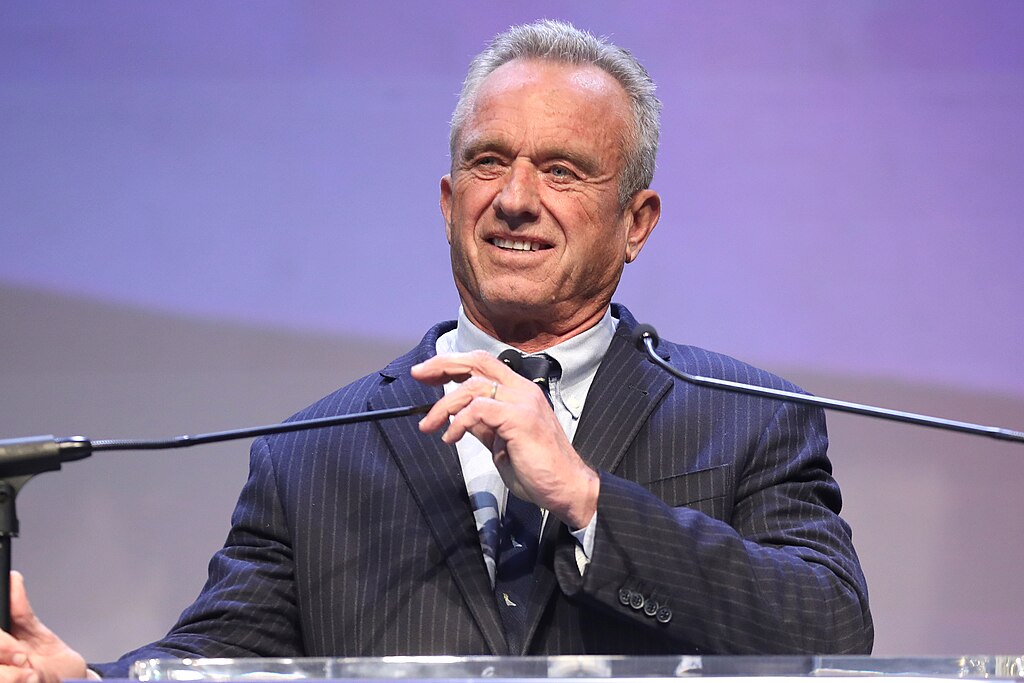
U.S. Health Secretary Robert F. Kennedy Jr. has reshaped national autism policy by appointing an entirely new slate of 21 members to the Interagency Autism Coordinating Committee (IACC), a federal panel that provides guidance on autism research and funding. The move has ignited sharp criticism from autism experts, scientists, and former committee members, due to several appointees’ ties to groups that promote unproven claims linking vaccines to autism.
Kennedy, a longtime critic of vaccines who has repeatedly claimed they are unsafe and associated with autism, said the newly appointed committee members bring decades of experience and will help deliver “the answers Americans deserve.” However, many in the medical and scientific community argue the changes could undermine evidence-based autism research and public trust in health policy.
The IACC, established in 2006, plays a key advisory role in shaping federal autism research priorities, influencing approximately $2 billion in annual funding. Historically, the committee included a balance of autism researchers, clinicians, self-advocates, parents, and government officials. In contrast, Kennedy replaced all prior members, breaking with past practice where some experts typically remained on the panel.
Among the new appointees are Daniel Rossignol, who has promoted discredited autism treatments such as chelation therapy, and John Gilmore, co-founder of the Autism Action Network, who has publicly linked his son’s autism to vaccination. Other members include Brownstone Institute fellow Toby Rogers and Autism Health founder Tracy Slepcevic, both associated with alternative autism treatment advocacy.
Autism Science Foundation President Alison Singer, who served on the committee for 12 years, warned the overhaul would harm people with autism and their families. Dr. Helen Tager-Flusberg of Boston University noted that many new members represent organizations advocating non-mainstream treatments, raising concerns that autism funding priorities could shift away from established science.
Kennedy has labeled rising autism rates—now estimated at one in 31 U.S. children by age eight—as an epidemic and has pledged to uncover causes and cures. He has also supported controversial positions, including promoting leucovorin as a treatment and raising alarms about Tylenol use during pregnancy, claims that health experts say lack strong scientific evidence.







