


 Tsai Warns of China’s Sustained Pressure on Taiwan
  US, Greece Launch New Counterterrorism Security Program
  Kalshi Wins CFTC Approval for S&P 500 Perpetual Futures
  US Suspends Microsoft, Adobe From Green Card Program
  Mike Rogers Calls for End to US-Canada Tariff War
  Marco Rubio Warns Russia-Ukraine War Could Spark Wider Conflict
  UK Sanctions Crypto Exchanges Linked to Russia
  Crypto Rallies as CLARITY Act Failure Opens Door to Faster SEC Rules
  Iran Refuses to Halt Uranium Enrichment Amid US Nuclear Demands
  Trump Backs Florida Golf Course as Presidential Retreat
  US Waives $320M Egypt Military Aid Conditions After Iran War Role
  Mexico Bars Dual Citizens From Presidential Races Starting in 2028
  Fairshake Backs 32 Pro-Crypto House Candidates
  Saudi Arabia Probes Flydubai Cockpit Attack
  France to Release 10 Million Barrels of Diesel to Ease Fuel Prices
  US Grants Aurora Five-Year Exemption for Self-Driving Trucks
  ICC Rules Duterte Fit to Stand Trial in Drug War Case


 Add as a preferred source on Google
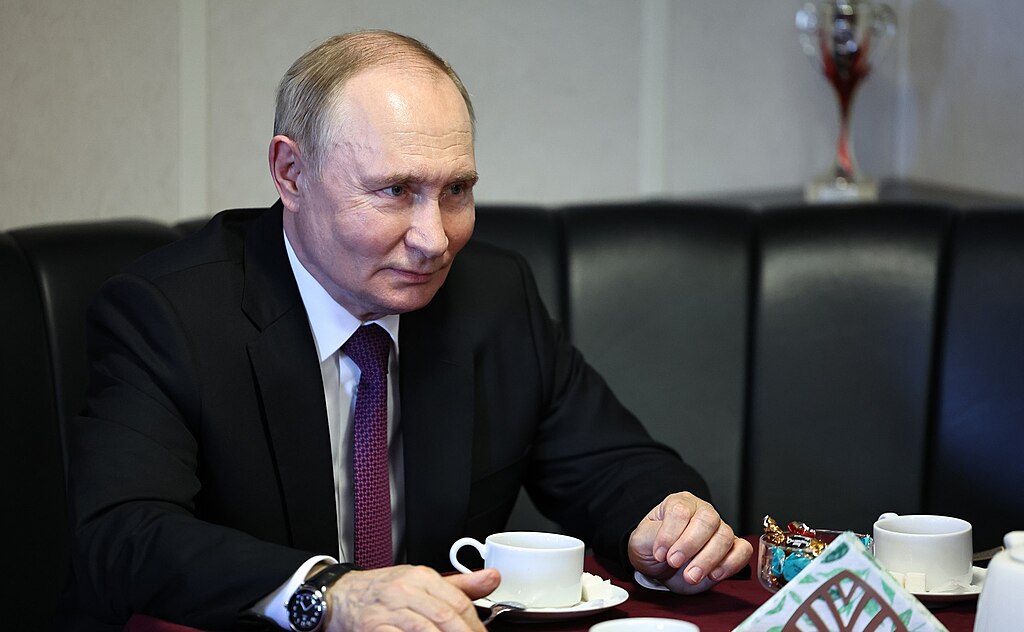
Russia has approved a new long-term national policy strategy calling for a significant strengthening of Russian identity and language use, particularly in Ukrainian territories annexed since the 2022 invasion. The document, signed by President Vladimir Putin and titled “Strategy of Russia’s National Policy in the Period to 2036,” outlines measures aimed at ensuring that at least 95% of the population within Russia— including the occupied regions of Donetsk, Luhansk, Kherson, and Zaporizhzhia — identify as Russian by 2036.
The Kremlin argues that gaining control over these eastern regions has “created conditions for restoring the unity of the historical territories of the Russian state.” The strategy calls for deeper entrenchment of the Russian language, expanded cultural influence, and stronger efforts to counter what Moscow describes as attempts by “unfriendly foreign states” to destabilize inter-ethnic relations. Putin has for years questioned Ukraine’s distinct national identity, often portraying Russia and Ukraine as historically intertwined.
Russia’s justification for the 2022 invasion centered on claims of protecting Russian-speakers and combating alleged discrimination, though Kyiv has repeatedly denied such accusations. Since Ukrainian independence in 1991, Ukrainian has been the country’s sole official language. Following the invasion, public sentiment toward Russia has sharply deteriorated, and surveys show a significant decline in the use of Russian across Ukraine.
Meanwhile, Ukrainian President Volodymyr Zelenskiy said Kyiv is prepared to move forward with a U.S.-supported peace initiative aimed at ending Europe’s deadliest conflict since World War II. However, Ukrainian officials remain cautious, wary that any diplomatic resolution could pressure Kyiv into accepting territorial losses or other terms favorable to Moscow.
As fighting continues and political narratives harden, Russia’s new policy framework signals its intention to formalize long-term control and influence over the annexed regions. The decree will take effect in January, with progress measured by tracking civic self-identification and cultural integration across the population.







