


 Missouri Judge Dismisses Lawsuit Challenging Starbucks’ Diversity and Inclusion Policies
  US Pushes Ukraine-Russia Peace Talks Before Summer Amid Escalating Attacks
  Norway Opens Corruption Probe Into Former PM and Nobel Committee Chair Thorbjoern Jagland Over Epstein Links
  U.S. Announces Additional $6 Million in Humanitarian Aid to Cuba Amid Oil Sanctions and Fuel Shortages
  TrumpRx Website Launches to Offer Discounted Prescription Drugs for Cash-Paying Americans
  U.S. to Begin Paying UN Dues as Financial Crisis Spurs Push for Reforms
  South Korea Assures U.S. on Trade Deal Commitments Amid Tariff Concerns
  Pentagon Ends Military Education Programs With Harvard University
  Nighttime Shelling Causes Serious Damage in Russia’s Belgorod Region Near Ukraine Border
  Netanyahu to Meet Trump in Washington as Iran Nuclear Talks Intensify
  Trump Lifts 25% Tariff on Indian Goods in Strategic U.S.–India Trade and Energy Deal
  U.S. Lawmakers to Review Unredacted Jeffrey Epstein DOJ Files Starting Monday
  New York Legalizes Medical Aid in Dying for Terminally Ill Patients
  India–U.S. Interim Trade Pact Cuts Auto Tariffs but Leaves Tesla Out
  U.S.-India Trade Framework Signals Major Shift in Tariffs, Energy, and Supply Chains
  Trump Backs Nexstar–Tegna Merger Amid Shifting U.S. Media Landscape
  Federal Judge Restores Funding for Gateway Rail Tunnel Project


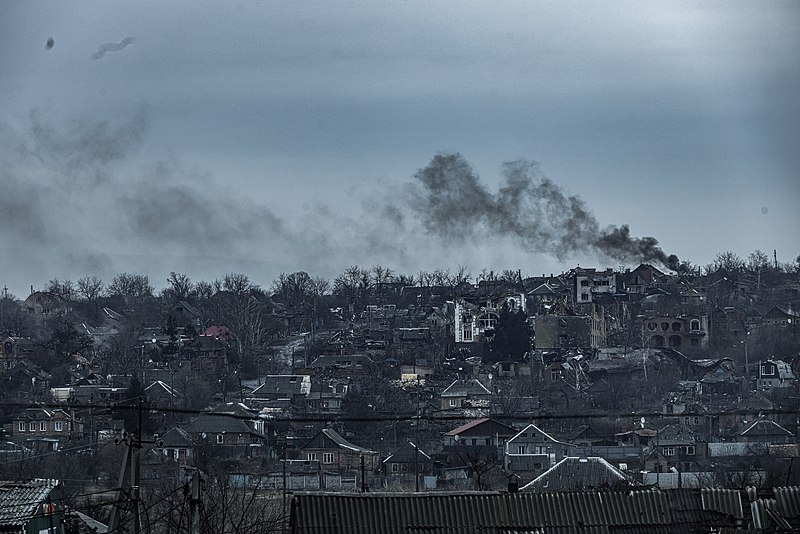
The United States has announced an extension of the one-year authorization granted to thousands of Ukrainians that fled to the United States from the war. The announcement follows more than a year since Russia’s invasion that prompted millions of Ukrainians to flee.
The US Department of Homeland Security said on Monday that around 25,000 Ukrainians that entered the US through the southern border could stay for another year after they were granted entry. The announcement also comes as the paperwork of the Ukrainian refugees in the US was about to expire.
Around 118,000 Ukrainians entered the United States on humanitarian parole, a program that allows people fleeing from dire circumstances to enter the US, where they can apply to more permanent immigration pathways.
The authorizations last for two years, but the 25,000 Ukrainians who entered the country through Mexico were only granted a one-year permit. The extension will also allow the refugees access to healthcare and food assistance while diminishing concerns about their legal status in the US.
A UN poll found that around 65 percent of Ukrainian refugees plan to remain in their host countries until the conflict subsides. The UN refugee agency said nearly eight million Ukrainian refugees had fled the country as a result of the war, with millions more displaced.
Despite the authorization being given to Ukrainians who fled the war, many Afghans who were granted humanitarian parole in the US after the withdrawal of US forces from Afghanistan in 2021 have yet to have their paroles extended. Some have also expressed concerns that they could end up in legal limbo and lose their work authorization if no solution is found before their humanitarian paroles expire.
Some have also accused the US government of using racist double standards in the implementation of the humanitarian parole system.
Since Russia’s invasion of Ukraine in February last year, the West has imposed rounds of sanctions on officials in Moscow. The British defense ministry said on Wednesday that Russian public officials and workers have since been subject to restrictions on overseas travel, with some officials likely surrendering their passports to the country’s security service.
The ministry noted that the restrictions on overseas travel are more severe for those who are closer to power, and officials at the Kremlin are barred from international leisure travel. The ministry said such measures were an expansion of Soviet-era rules.













