


 South Korea Central Bank Set to Raise Interest Rates as Inflation Stays Elevated
  Levi Strauss Raises 2026 Outlook After Q2 Earnings Beat, Shares Drop Despite Strong Results
  US Inflation Expected to Ease in June, but Fed Rate Hike Risks Persist Amid Middle East Tensions
  Gold Prices Fall as US-Iran Conflict, Rising Oil Prices Fuel Fed Rate Concerns
  Singapore GDP Grows 5.7% in Q2 2026 as AI-Driven Manufacturing Boosts Economy
  An unexpected anomaly was found in the Pacific Ocean – and it could be a global time marker
  NASA Partners with Katalyst to Save Swift Observatory with Innovative Docking Mission
  Ukraine minerals deal: the idea that natural resource extraction can build peace has been around for decades
  Trump Administration to Launch Autism Initiatives Targeting Acetaminophen Use and New Treatment Options
  Dollar Rises as Middle East Conflict Fuels Inflation and Rate Hike Fears
  SpaceX Prioritizes Moon Mission Before Mars as Starship Development Accelerates
  China Trade Surplus Hits $125.6 Billion as June Exports, Imports Smash Forecasts
  SK Hynix Shares Drop After Strong Nasdaq Debut Despite $26 Billion ADR Listing
  Dollar Eases as Middle East Conflict, Fed Outlook and Japan Pension Policy Drive FX Markets
  Muji Owner Ryohin Keikaku Stock Soars After Raising Full-Year Earnings Forecast


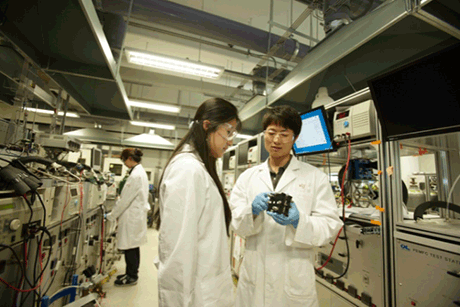
The Korea Institute of Science and Technology has developed a technology that uses photovoltaic energy for producing hydrogen peroxide, replacing a thermochemical process that requires high energy and creates environmental issues.
The thermochemically produced organic solution was used by the study team to create a photocatalytic reaction solution, which improved the photocatalyst's capacity for oxygen reduction.
The research team employed solar energy to manage the photocatalyst and organic solution, and they were able to produce 5.3 percent hydrogen peroxide per unit hour and a gram of photocatalyst, which is five times more than the minimal industrial output standard.







