


 Thousands of satellites are due to burn up in the atmosphere every year – damaging the ozone layer and changing the climate
  Nasdaq Proposes Fast-Track Rule to Accelerate Index Inclusion for Major New Listings
  Drug pollution in water is making salmon take more risks – new research
  Once Upon a Farm Raises Nearly $198 Million in IPO, Valued at Over $724 Million
  OpenAI Expands Enterprise AI Strategy With Major Hiring Push Ahead of New Business Offering
  GesiaPlatform Launches Carbon-Neutral Lifestyle App ‘Net Zero Heroes’
  Fungi are among the planet’s most important organisms — yet they continue to be overlooked in conservation strategies
  An unexpected anomaly was found in the Pacific Ocean – and it could be a global time marker
  China Extends Gold Buying Streak as Reserves Surge Despite Volatile Prices
  Bank of Japan Signals Readiness for Near-Term Rate Hike as Inflation Nears Target
  How America courted increasingly destructive wildfires − and what that means for protecting homes today
  Thailand Inflation Remains Negative for 10th Straight Month in January
  Ford and Geely Explore Strategic Manufacturing Partnership in Europe
  Rio Tinto Shares Hit Record High After Ending Glencore Merger Talks
  FDA Targets Hims & Hers Over $49 Weight-Loss Pill, Raising Legal and Safety Concerns
  What’s so special about Ukraine’s minerals? A geologist explains
  Ukraine minerals deal: the idea that natural resource extraction can build peace has been around for decades


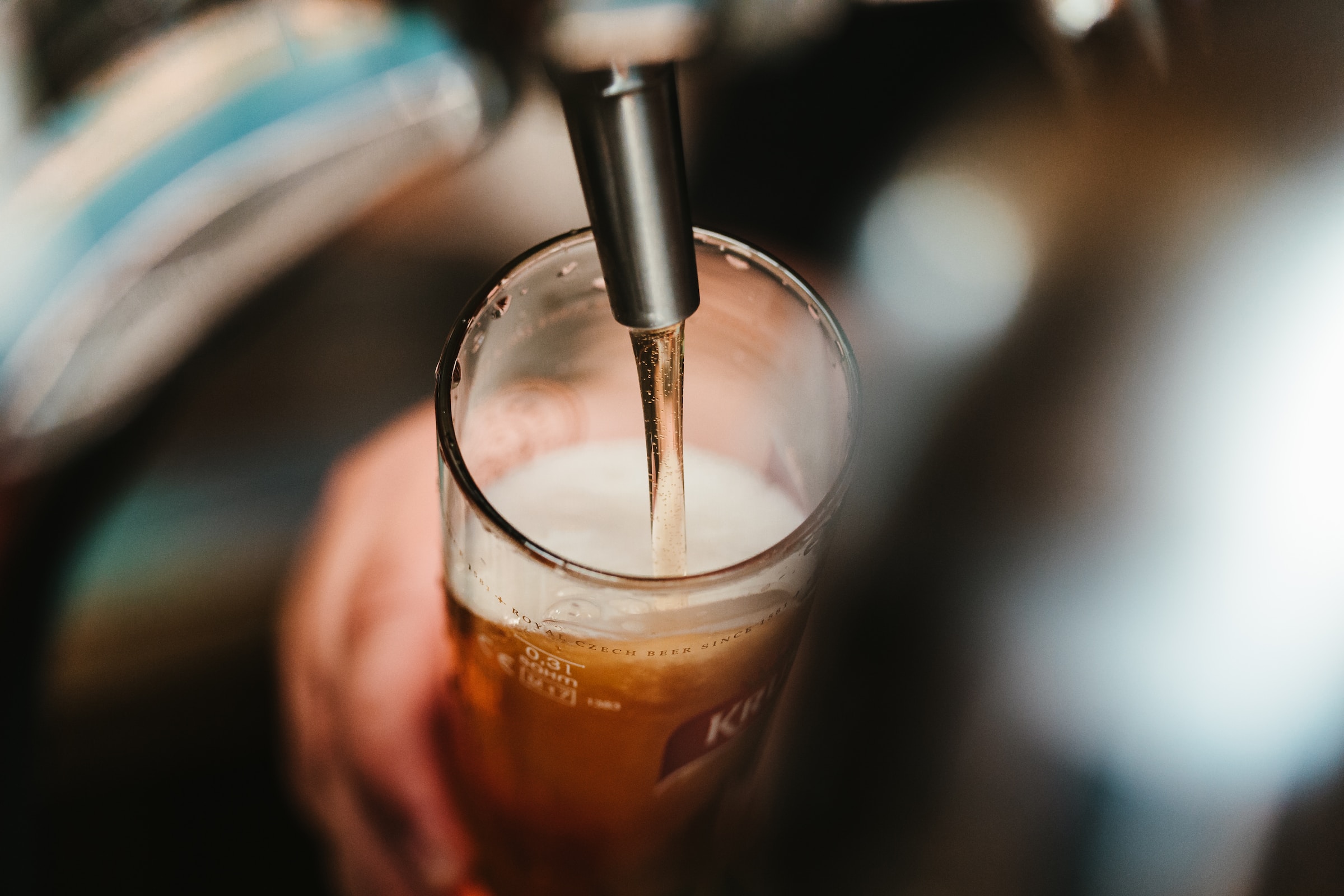
Oriental Brewery (OB) is leading the way towards sustainability by integrating solar power panels at its Gwangju production facilities, becoming the first Gwangju brewery to harness green energy for beer production.
Installing solar power panels is part of OB's commitment to its RE100 plan, which aims to transition to renewable energy sources. RE100 is a global initiative encouraging companies to convert 100 percent of their electricity consumption to renewable energy.
Completing the photovoltaic facility at the Gwangju plant marks a significant milestone for OB. It is expected to serve as a springboard for the company to achieve its goal of using 100 percent renewable energy by 2025.
OB's CEO, Ben Verhaert, expressed optimism about the transition, stating, "As a leading ESG (environmental, social, and corporate governance) company in the liquor industry, we will not only implement a renewable energy provision plan at a rapid pace but also actively respond to the climate crisis by advancing our eco-friendly management."
The solar panels installed at the Gwangju plant have a total capacity of 2.6 megawatts, producing 3.7 gigawatts of electricity annually. This equals about 11 percent of the plant's current power consumption. Using solar energy, OB estimates a yearly reduction of approximately 1,709 tons of carbon emissions in Gwangju alone.
OB plans to adopt solar panels at its two other plants in Icheon, Gyeonggi Province, and Cheongju, North Chungcheong Province, by the first quarter of 2024.
Once the installation of solar power generation facilities at OB's three plants is completed, the company expects to generate approximately 10 gigawatts per hour of solar energy annually. This amount is projected to replace 11 percent of the company's total power consumption in South Korea.
In addition to the green initiative, OB recently achieved recognition for its global quality standards. The International Taste Institute honored OB Beer's seven brands, including Cass Fresh, Hite, Cass Light, Cass 0.0, Cass White, OB Lager, and OMG. The brands collectively received 13 stars, affirming their superior taste and quality.
Photo: BENCE BOROS/Unsplash













