


 Mexico Bars Dual Citizens From Presidential Races Starting in 2028
  Mike Rogers Calls for End to US-Canada Tariff War
  Illinois Delays Crypto Tax Law Until July 2027
  Lincoln University Students Sue Missouri Over Decades of Underfunding
  Fairshake Backs 32 Pro-Crypto House Candidates
  Maduro, Wife May Face New US Torture Charges
  Australia Probes Flydubai Co-Pilot’s Links After FZ1073 Hijack Attempt
  Zelenskiy Warns Russia Is Preparing Massive Attack on Ukraine
  Rapidus Seeks Chip Customers as Japan Pushes 2nm Semiconductor Revival
  Tsai Warns of China’s Sustained Pressure on Taiwan
  France to Release 10 Million Barrels of Diesel to Ease Fuel Prices
  OpenAI, Anthropic Back Mandatory AI Breach Reporting in Australia
  US Government Moves $1 Billion in Bitcoin Amid Sale Speculation
  Pentagon Orders Iran Strike Preparations as Trump Weighs Military Action
  Trump Rallies in Texas as Republicans Face Tight Midterm Races


 Add as a preferred source on Google
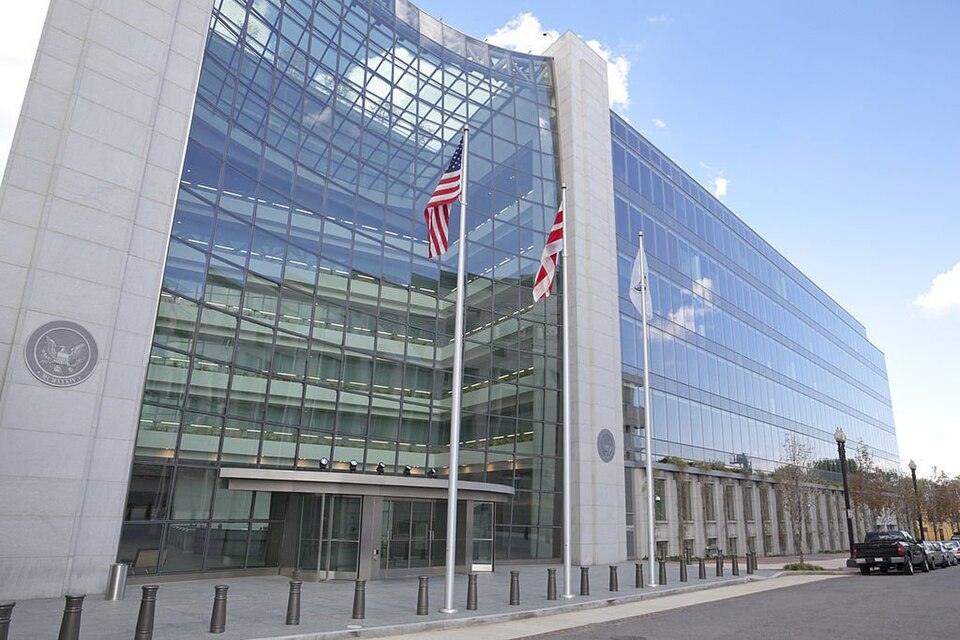
The U.S. Securities and Exchange Commission is weighing a landmark change to how public companies report their financials, potentially moving from quarterly disclosures to just twice a year. According to recent reports, the regulator could unveil the proposal as early as next month, giving companies the flexibility to opt out of the longstanding quarterly earnings cycle.
The initiative has gained strong backing from President Trump and newly appointed SEC Chairman Paul Atkins, both of whom have characterized the current four-times-a-year requirement as an unnecessary administrative burden. Advocates of the reform argue that easing reporting obligations could lower compliance costs for businesses and potentially attract more companies to list publicly in the U.S., helping to reverse a decade-long decline in the number of publicly traded firms.
As part of its groundwork, the SEC has been in active discussions with major stock exchanges to assess how existing listing rules would need to be updated. The proposed change would not eliminate quarterly reporting altogether but would make it voluntary rather than mandatory, preserving the option for companies that prefer to maintain higher disclosure frequency.
The proposal builds on momentum from late last year, when the Long-Term Stock Exchange formally petitioned the SEC to revisit disclosure rules. A similar initiative was explored during Trump's first term but never advanced this far in the regulatory process.
Before any rule change takes effect, it must clear a mandatory public comment period of at least 30 days, followed by a formal commission vote. The outcome is far from certain, as many institutional investors and analysts depend on regular financial transparency to accurately value their portfolios.
Critics warn the shift could introduce greater market volatility, while supporters point to European and U.K. markets, where mandatory quarterly reporting was scrapped more than a decade ago with broadly positive results. Many overseas firms continue to report quarterly by choice, suggesting a voluntary model can still support investor confidence.







