


 Norway Offshore Oil Workers Reach Wage Deal, Averting Strike
  Super Micro Employees Detained in Taiwan AI Server Export Investigation
  Trump Reports $1.4 Billion in Crypto Income as Digital Assets Become Top Wealth Source
  Kawasaki Heavy Shares Slide on Report of ¥200 Billion Capital Raise Plan
  Tesla Q2 Deliveries Lift Chinese Auto Suppliers as EV Demand Improves
  Kioxia Bets on AI Memory Boom With Next-Gen NAND Production in Japan
  BHP Workers Approve New Labour Agreement at WA Iron Ore Operations
  SoftBank’s LY Corp, Bain Raise Kakaku.com Bid to ¥670 Billion, Intensifying Takeover Battle
  Texas Man Charged After Fatal Tesla Full Self-Driving Crash in Katy
  EU Chip Industry Faces Growing Risks From China Export Controls and U.S. Technology Dependence: Report
  Northern Star Appoints New CEO as Activist Elliott Pushes for Leadership Overhaul
  Suncorp Cuts 2026 Premium Growth Forecast as Australia, New Zealand Markets Weaken
  Anthropic Tightens AI Access Controls After Reports of China-Based Workarounds
  Switch Seeks $2 Billion Funding at Nearly $50 Billion Valuation Ahead of Potential IPO
  Samsung to Invest $90 Billion in South Korea to Expand AI Chip, Display, and Battery Production
  Chinese Copper Foil Maker Londian Files U.S. IPO as EV Battery Demand Grows


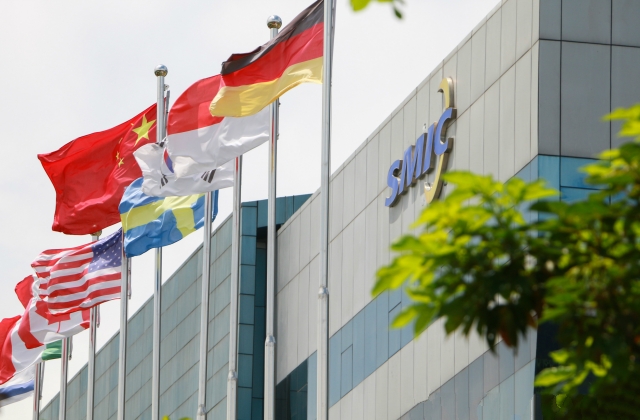
SMIC, or the Semiconductor Manufacturing International Corporation in China, revealed its plans to build a new plant in Shenzhen. The project will cost $2.35 billion, and it was reported that the government is willing to provide funds for it.
The joint funding for the project
CNBC reported that SMIC and the government of Shenzhen would jointly fund the building of the company’s factory. The said Chinese territory is known to be China’s technology hub, and it is home to several big tech firms, including Huawei and Tencent.
As there is a massive chip shortage worldwide today, the company is said to be the key to Beijing’s plans to bolster self-sufficiency in the semiconductor business amid tensions with the U.S.
The strain exposed the country’s reliance on foreign technology, so the factory is being seen as the answer to be self-sufficient in the years to come. It should also be noted that SMIC is actually China’s largest chipmaker; thus, it is getting support from the administration.
Expectations from SMIC’s Shenzhen plant and funding details
Once completed, the new factory is expected to help SMIC to increase its production capacity and become sufficient with the so-called 28 nanometers and above chips. These are said to be an old technology since South Korea’s Samsung and Taiwan’s TSMC are producing 5-nanometer semiconductors, which are the most advanced chips to date. These are mostly installed on smartphones.
Additionally, as per the South China Morning Post, the SMIC in Shenzhen is aiming to manufacture 40,000 pieces of 12-inch wafers every month. The semiconductor company is targeting 2022 as the starting date for the production in the factory to commence.
For the funding arrangements, it was reported that in the $2.35 billion investment for the facility, SMIC will be paying 55% while the Shenzhen government will give 23%. The remaining capital will be coming from third-party investors.
“By seizing the opportunity in Shenzhen to develop the integrated circuit industry, the project can meet growing market and customer needs and promote our development,” SMIC said in a statement.
Meanwhile, despite being blacklisted and sanctioned by the U.S., SMIC was still able to report record-high results of $3.91 billion for the full year of 2020 due to the high demand for chips.







