


 Australia Trade Balance Swings to Surprise Deficit as Imports Outpace Exports in May
  New Zealand Consumer Confidence Rises in June as Inflation Expectations Ease
  SoftBank Shares Slide as OpenAI IPO Delay Concerns Weigh on AI Investment Outlook
  Turkey Vehicle Sales Fall 11.4% in June as Auto Market Weakens
  Northern Star Appoints New CEO as Activist Elliott Pushes for Leadership Overhaul
  Trump Reports $1.4 Billion in Crypto Income as Digital Assets Become Top Wealth Source
  Gold Price Surges Above $4,120 as Weak US Jobs Data Lowers Fed Rate Hike Expectations
  Oil Prices Slip as Oversupply Concerns and U.S.-Iran Talks Shape Market Outlook
  Trump Administration to Launch Voluntary AI Standards for Frontier Models
  Norway Offshore Oil Workers Reach Wage Deal, Averting Strike
  Mary Daly Says AI Uncertainty Clouds Fed Rate Outlook Despite Restrictive Policy
  SK Holdings, KKR Launch $1.3B Renewable Energy Venture in South Korea
  Anthropic Restores Claude Fable 5 and Mythos 5 After U.S. Lifts AI Export Controls
  Samsung to Invest $90 Billion in South Korea to Expand AI Chip, Display, and Battery Production
  Super Micro Employees Detained in Taiwan AI Server Export Investigation
  South Korea Warns Won Is Undervalued, Boosts FX Coordination With Japan
  U.S. Dollar Drops as Weak Jobs Data Boosts Fed Pause Bets, Yen Jumps on Intervention Talk


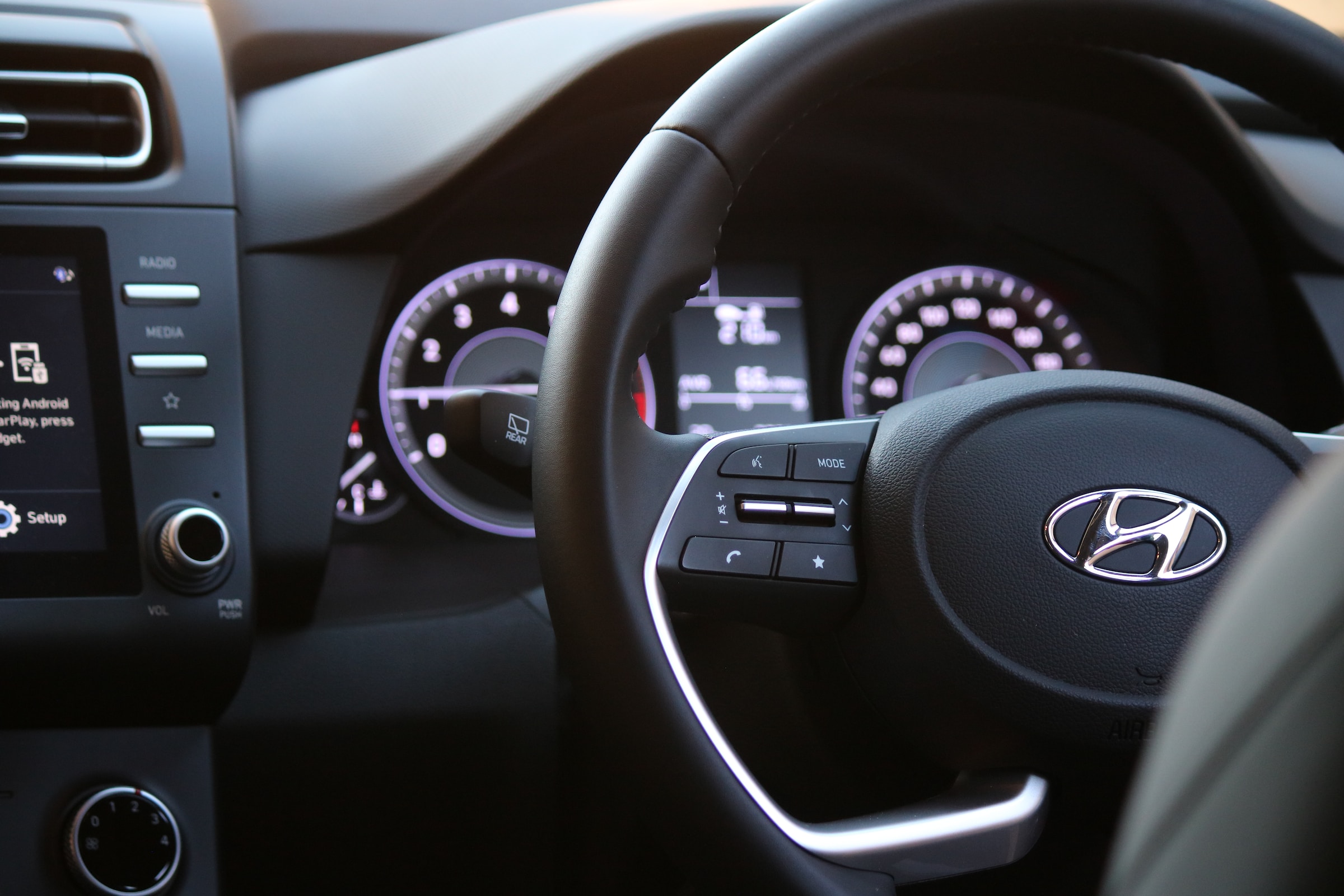
Samsung Electronics has secured a contract to provide Hyundai Motor with its advanced Exynos Auto V920 chips for next-generation in-car infotainment systems, launching in 2025. This marks the companies' first collaboration in automotive chip solutions, aiming to redefine in-vehicle experiences and safety.
Samsung Electronics said it agreed to deliver its Exynos Auto V920 chips to Hyundai Motor. This is the company’s newest automotive processor that was selected to power the automaker’s in-vehicle infotainment (IVI) systems which will be launched in 2025.
As per Korea Joongang Daily, the automotive chip is a third-generation processor that supports the recently-developed low-power Double Data Rate 5 chip which facilitates the systematized management of up to six high-resolution displays for dashboard and infotainment. It will also allow up to 12 camera sensors that capture visual information.
With this project, Samsung Electronics and Hyundai Motor are bound to bolster their tie-up to roll out the advanced IVI systems two years from now. It was noted that this will be the companies’ first cooperation in the auto chip solutions business.
“We are thrilled to be collaborating with Hyundai Motor, a prominent global mobility manufacturer, and we anticipate that this partnership will further solidify our position in the automotive infotainment space,” Samsung Electronics’ System LSI Business’ executive vice president of sales and marketing, Jae Geol Pyee, said in a press release. "Through close collaboration with our global customers and ecosystem partners, we will continue to create state-of-the-art automotive chip solutions that offer a safe and enjoyable mobility experience.”
Finally, The Korea Herald reported that the Exynos Auto V920 is expected to provide a flawless in-vehicle experience by allowing real-time display of important driving information in addition to smooth playback of graphics-rich video and game content on displays. For the drivers’ safety, the chip’s embedded safety island is compliant with the Automotive Safety Integrity Level B (ASIL-B) requirements.
Photo: Costa Mokola/Unsplash







