


 Yaskawa Electric Shares Slide as Weak Profit Overshadows Strong AI Demand
  EU Weighs New Trade Restrictions on Israeli West Bank Settlements
  DOJ Grand Jury Investigates UAW President Shawn Fain Ahead of Union Election
  SpaceX Stock Draws Bullish Wall Street Coverage Ahead of Nasdaq-100 Inclusion
  Apple Sues OpenAI, Former Employees Over Alleged Trade Secret Theft
  Trump Recommends Darline Graham for Interim South Carolina Senate Seat
  Ann Widdecombe Murder: Police Arrest Second Suspect, Rule Out Terrorism Motive
  Iraq PM Visits Washington as U.S. Oil, Gas Deals Take Center Stage
  SK Hynix’s $28B U.S. IPO Draws Strong Demand as AI Chip Boom Fuels Investor Interest
  Oppenheimer Sees CNH Industrial as Top 2026 Agriculture Stock Pick on Dealer Consolidation Strategy
  Samsung Chairman Lee Jae-yong Expected to Meet Nvidia CEO Jensen Huang on AI and Chip Partnership
  Bain Capital Exits Kioxia After AI-Fueled Valuation Surge
  Zelenskiy Plans Ukraine Government Shake-Up as Prime Minister Svyrydenko Set to Step Down
  Apple Tests China's CXMT Memory Chips as DRAM Maker Gains Global Market Share
  Kitron Q2 Revenue Beats Estimates as Defense Demand Lifts Growth
  HHS Watchdog Reports $5.56 Billion in Healthcare Fraud Recoveries as Enforcement Actions Decline


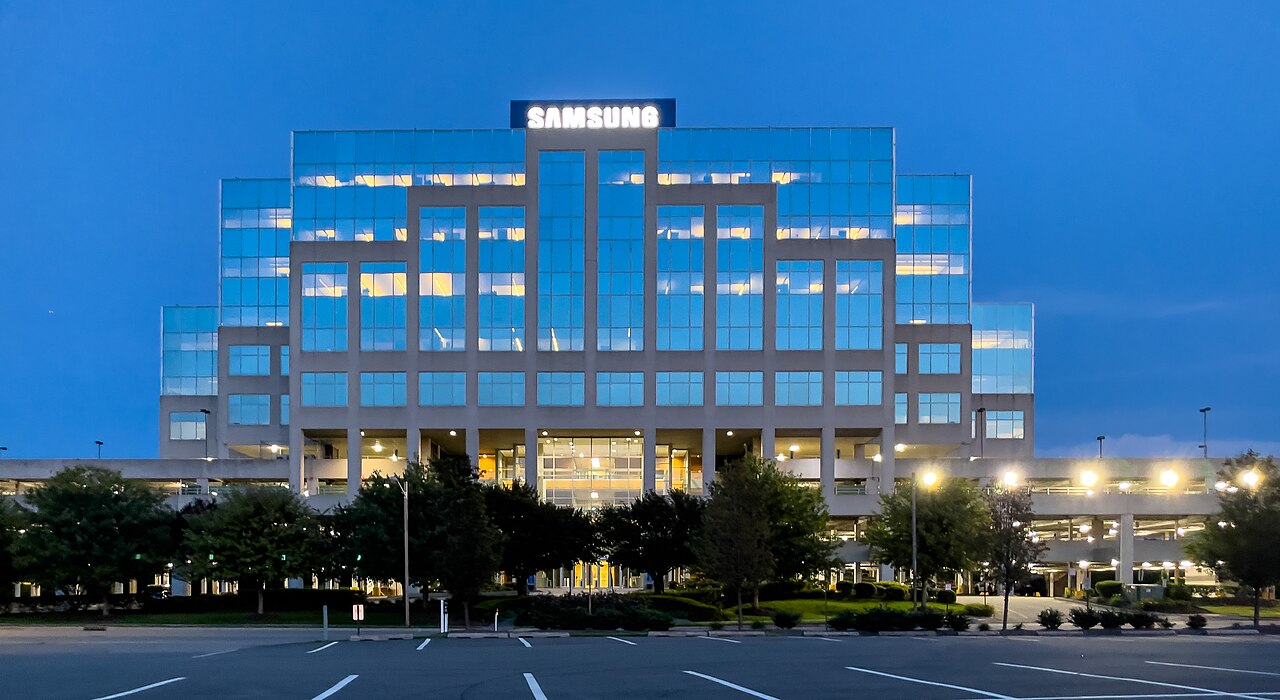
Samsung Electronics and its South Korean labor union resumed government-mediated wage negotiations on Monday in an effort to prevent a large-scale strike that could disrupt the global semiconductor supply chain. The renewed discussions come after the first round of talks collapsed last week over disagreements involving salaries and employee bonus structures.
The potential strike, scheduled to begin on May 21, could become the biggest labor action in Samsung’s history. More than 45,000 workers are expected to participate in the planned 18-day walkout at the world’s largest memory chip manufacturer. Industry analysts warn that any disruption to Samsung’s chip production may affect supplies for AI data centers, smartphones, laptops, and other technology products worldwide.
South Korean officials have increased pressure on both sides to reach an agreement quickly. Prime Minister Kim Min-seok stated the government is considering emergency arbitration measures to stop the strike, citing risks to economic growth, exports, and financial market stability. Under South Korean labor law, emergency arbitration would temporarily ban industrial action for 30 days while mediation continues.
President Lee Jae Myung also addressed the dispute, emphasizing that both labor rights and corporate management rights must be respected in South Korea’s market economy. He added that employees deserve fair compensation while investors should also benefit from company profits.
Samsung Electronics shares reacted positively to the president’s comments, climbing as much as 3.5% during Monday trading despite weakness in the broader KOSPI index.
Reports from local media indicate Samsung executives urged union leaders to avoid a strike due to concerns from major semiconductor clients, including Nvidia. Some customers reportedly warned they could temporarily halt shipments during a labor stoppage because of potential quality control issues. Samsung has not officially commented on the reports.
The outcome of the negotiations is being closely monitored by investors and the global tech industry as tensions continue to rise.







