


 Instagram Outage Disrupts Thousands of U.S. Users
  TSMC Eyes 3nm Chip Production in Japan with $17 Billion Kumamoto Investment
  Tencent Shares Slide After WeChat Restricts YuanBao AI Promotional Links
  Hims & Hers Halts Compounded Semaglutide Pill After FDA Warning
  Alphabet’s Massive AI Spending Surge Signals Confidence in Google’s Growth Engine
  Uber Ordered to Pay $8.5 Million in Bellwether Sexual Assault Lawsuit
  Sony Q3 Profit Jumps on Gaming and Image Sensors, Full-Year Outlook Raised
  Nvidia, ByteDance, and the U.S.-China AI Chip Standoff Over H200 Exports
  OpenAI Expands Enterprise AI Strategy With Major Hiring Push Ahead of New Business Offering
  SoftBank Shares Slide After Arm Earnings Miss Fuels Tech Stock Sell-Off
  Nasdaq Proposes Fast-Track Rule to Accelerate Index Inclusion for Major New Listings
  Toyota’s Surprise CEO Change Signals Strategic Shift Amid Global Auto Turmoil
  American Airlines CEO to Meet Pilots Union Amid Storm Response and Financial Concerns
  Elon Musk’s SpaceX Acquires xAI in Historic Deal Uniting Space and Artificial Intelligence
  Weight-Loss Drug Ads Take Over the Super Bowl as Pharma Embraces Direct-to-Consumer Marketing
  Jensen Huang Urges Taiwan Suppliers to Boost AI Chip Production Amid Surging Demand
  Nvidia Confirms Major OpenAI Investment Amid AI Funding Race


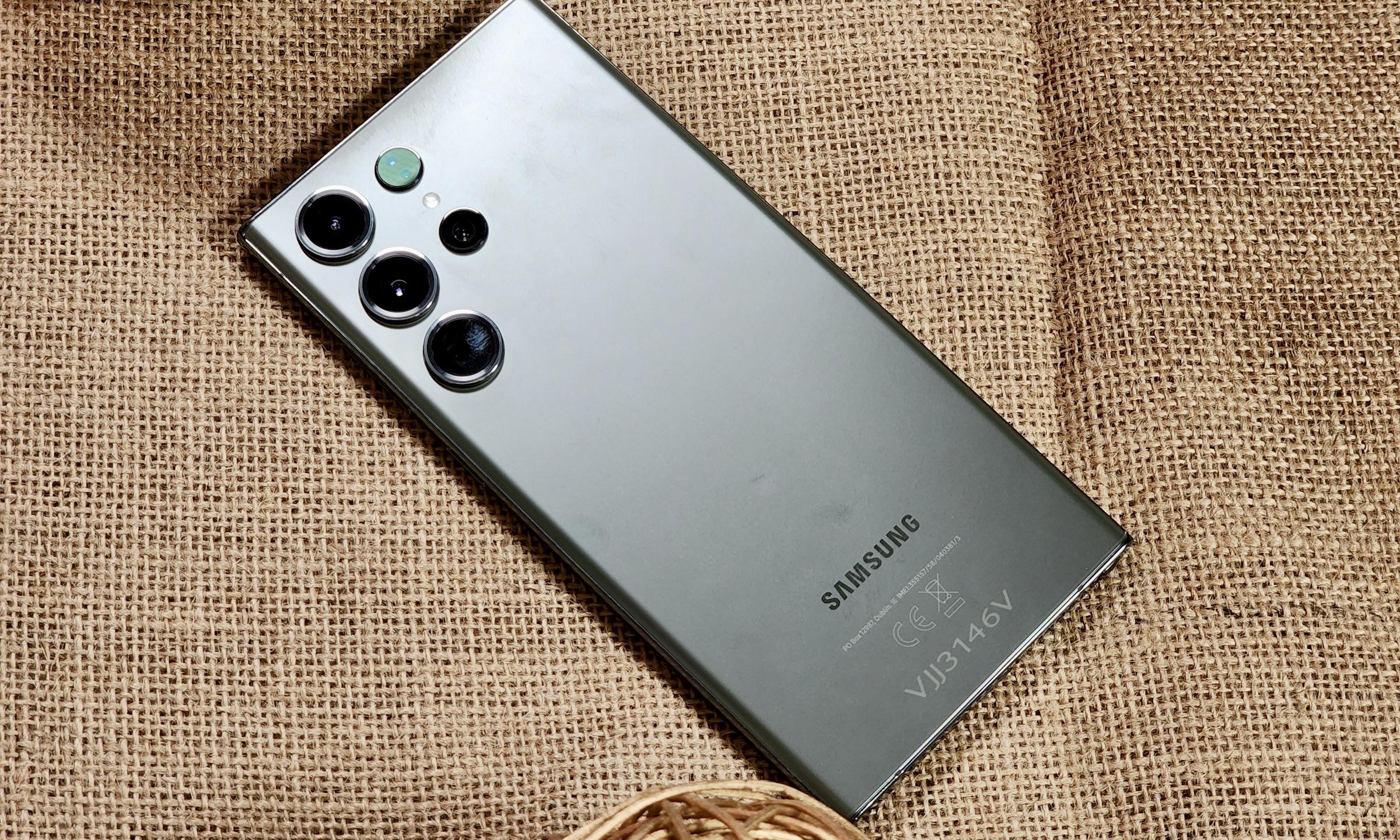
Samsung is reportedly preparing to equip the Galaxy S25 series with the Exynos 2500, a chipset that utilizes 3nm technology and may perform better than Qualcomm's Snapdragon 8 Gen 4.
For the next Galaxy S25 series, Samsung is reportedly sticking to a dual-chipset launch strategy, with some markets selling the Exynos 2500 versions and others the Snapdragon 8 Gen 4.
Samsung's Strategic Advancements with 3nm SoC Technology
Samsung is expected to step up next year and mass-produce the Exynos 2500 using its second-generation 3nm technology. This could provide the SoC with power-saving features that far outweigh Qualcomm's anticipated Snapdragon 8 Gen 4, as per Wccftech.
Exynos 2500 vs. Snapdragon 8 Gen 4: Who Leads the Race?
According to PandaFlash on X, who has previously posted that the Exynos 2500 beats the Snapdragon 8 Gen 3 in both CPU and GPU areas, is the source of the rumor.
Samsung may have tested the silicon on its second-generation 3nm process, enabling the new SoC to operate at faster clock speeds while maintaining the same power consumption level to achieve this performance. Since the Exynos 2400 also utilizes Samsung's cutting-edge "Fan-out Wafer Level Packaging," or FOWLP, we won't be shocked to learn that the Exynos 2500 does too.
To put it briefly, FOWLP lowers the package size of the chipset and boosts its heat resistance, which enables it to operate at full capacity for more extended periods and ultimately raises its multi-core score. If the claim is valid, it won't be easy to outperform the Snapdragon 8 Gen 4. However, we have already revealed that Qualcomm's flagship SoC is having problems with power consumption, which is causing phone manufacturers to use large 5,500mAh batteries to make up for this problem.
With the Exynos brand, Samsung might have a chance to improve its standing in this area, but only if it can solve the yield issue with its second-generation 3nm technology.
The Korean giant's foundry unit was previously only expected to produce a meager 20% yield for the 3nm node. Still, that percentage has dramatically increased to three times the prior figure, narrowing the gap to TSMC's advancement but still trailing far behind.
Due to the decreased yield, the Exynos 2500 will cost more since Samsung will have to pay more to build each 3nm wafer.
Fortunately, the company still has a few months before moving into mass production. It will be within a reasonable range if it can increase those yields to 65% by then. Readers need to understand that this is just another unverified rumor, and until we have solid benchmarks, any details about the Exynos 2500 should be approached with skepticism.
Photo: Evgeny Opanasenko/Unsplash













