


 US-Iran Strikes Escalate as Strait of Hormuz Crisis Pushes Oil Prices Higher
  Republican Senator Lindsey Graham Dies at 71, Leaving South Carolina Senate Seat Vacant
  UN Says Hamas Disrupted Gaza Aid Distribution, Group Denies Allegations
  HHS Watchdog Reports $5.56 Billion in Healthcare Fraud Recoveries as Enforcement Actions Decline
  Trump Administration Launches AI Cybersecurity Partnership to Protect Critical Infrastructure
  Israeli Strikes Kill Six in Gaza as Ceasefire Talks Continue in Cairo
  Trump to Deliver National Address on 2020 Election Intelligence, Voting Machine Security
  EU Weighs New Trade Restrictions on Israeli West Bank Settlements
  Israel-Lebanon Talks Resume in Rome as Ceasefire and Troop Withdrawal Remain Elusive
  EU Ministers Split as Support Grows for Ban on Trade With Israeli West Bank Settlements
  Zelenskiy Plans Ukraine Government Shake-Up as Prime Minister Svyrydenko Set to Step Down
  Trump Says U.S. Strikes on Iran Will Continue Until Nuclear Deal Is Reached
  Trump Administration Bars U.S. Travelers From Congo Flights Amid Ebola Outbreak
  Ukraine, Europe Launch Freyja Missile Shield to Strengthen Air Defense Against Russia
  Trump Recommends Darline Graham for Interim South Carolina Senate Seat
  UK Sanctions 24 Russian-Linked Targets Over Cyberattacks and Election Interference


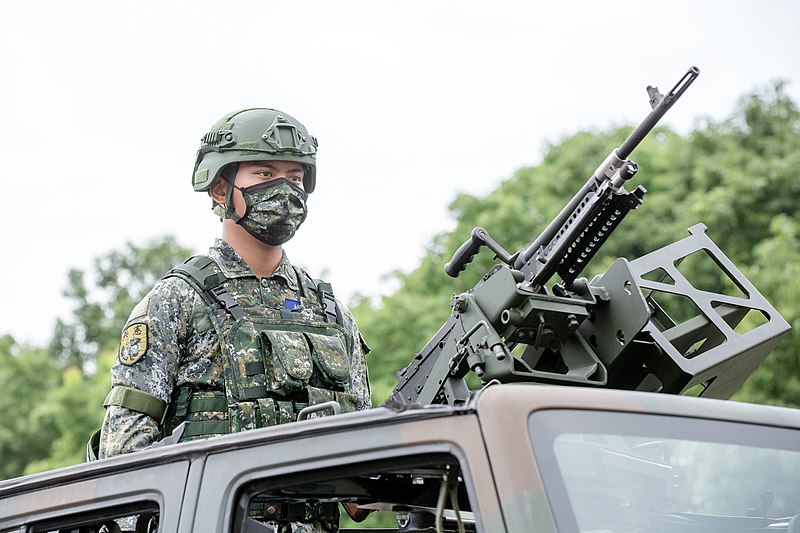
Tensions between China and Taiwan remain at a high in the South China Sea, with a possibility of an all-out conflict. Taiwan’s military recently conducted drills targeting simulated Chinese warplanes.
The recent military exercises by Taiwanese forces were meant to highlight Taiwan’s military readiness ahead of the Lunar New Year holidays at the end of the month. This also comes as Chinese fighter jets have repeatedly made incursions over Taiwanese airspace. China’s People’s Liberation Army has also conducted military exercises near the Taiwan-controlled Pratas islands in the South China Sea.
“With the very high frequency of Communist planes entering our ADIZ, pilots from our wing are very experienced and have dealt with almost all types of their aircraft,” said Taiwan Major Hsiang-sheng.
China has claimed Taiwan as part of its territory and has been engaging in a pressure campaign on the democratically-ruled island nation. Taiwan has insisted on its autonomy and independence, angering Beijing. The island nation has also been a key ally to western countries in the region.
This has also prompted fears that Chinese President Xi Jinping may consider carrying out an invasion to reunify Taiwan with the mainland. The members of the “Quad” alliance of countries – the US, Australia, Japan, and India – are also facing pressure to counter China’s increasing aggression in the region, especially on Taiwan.
Aside from claiming Taiwan, China also claims sovereignty over the majority of the South China Sea, angering the surrounding countries that have their respective claims over the body of water.
During her new year’s remarks, Taiwanese leader Tsai Ing-wen warned China against attempting any “military adventurism.” Tsai said that military conflict is not the answer, citing that it would only cause economic instability in the region. Tsai said that the island nation’s stance has always been never to go give in to pressure and to maintain caution when receiving support.
“We must remind the Beijing authorities to not misjudge the situation and to prevent the internal expansion of military adventurism,” said the Taiwanese leader.
“The military is definitely not an option for solving cross-strait disagreements. Military conflicts would impact economic stability. Our two sides jointly shoulder the responsibility of maintaining regional peace and stability,” said Tsai.







