


 Iran-U.S. Oil Tensions Escalate as Revolutionary Guards Threaten Strait of Hormuz Blockade
  Asia FX Steady as Iran War Signals and U.S. Inflation Data Weigh on Sentiment
  Trump Administration Launches Trade Investigations Against 16 Countries Over Industrial Overcapacity
  Chinese AI Stocks Surge as Tencent, MiniMax, and Zhipu Launch Agentic AI Programs
  Venezuela Opens Mining Sector to Foreign Investment Under New Law
  Bank of Japan Expected to Hold Rates at 0.75% Before June Hike Amid Middle East War Uncertainty
  U.S. Solar Market Contracts in 2025 as Trump Rolls Back Renewable Energy Incentives
  U.S.-Israel War on Iran Sends Crude Oil Prices Surging Amid Strait of Hormuz Tensions
  Asian Currencies Face Pressure as U.S.-Iran Conflict Weighs on Markets
  Dollar Stabilizes Amid Iran War Uncertainty as Oil Prices Remain Elevated
  ANZ and Westpac Forecast Two RBA Rate Hikes in March and May 2026
  RBA Set for Back-to-Back Rate Hikes, Westpac Forecasts
  Venezuela Names Paula Henao as New Oil Minister Amid U.S.-Led Industry Overhaul
  Japan's BOJ Independence Under Fire as PM Takaichi's Rate Stance Draws Political Heat
  Asian Stock Markets Rise as Oil Prices Pull Back; U.S. CPI in Focus
  U.S. Futures Slide as Oil Prices Surge on Middle East Shipping Attacks
  Gold Prices Slip as U.S.-Israel-Iran War Fuels Dollar and Oil Demand


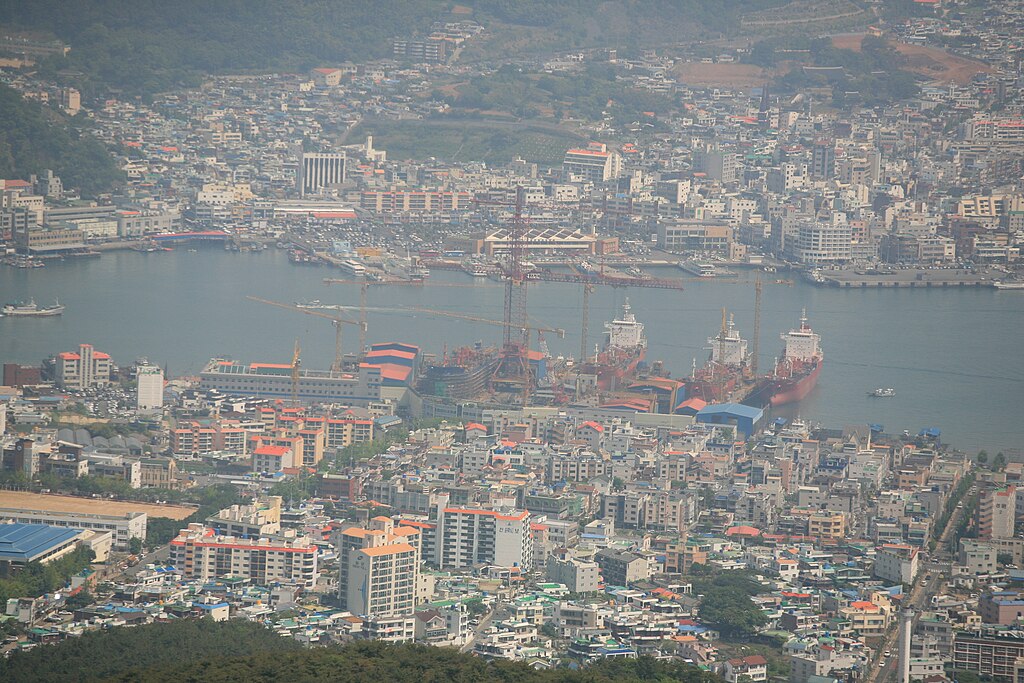
South Korea’s factory output showed weaker-than-expected performance in November, highlighting continued uncertainty in the country’s industrial sector as global demand remains uneven. According to official data released Tuesday, the industrial output index increased by 0.6% from the previous month on a seasonally adjusted basis. While this marked a rebound from October’s sharp 4.2% decline, it fell well short of market expectations, as economists surveyed by Reuters had forecast a stronger 2.2% monthly rise.
The modest recovery suggests that South Korea’s manufacturing sector is still struggling to gain momentum despite some stabilization after earlier volatility. Industrial output is a key indicator of economic health in South Korea, whose economy is heavily dependent on exports, particularly in sectors such as semiconductors, electronics, automobiles, and heavy industry. Slower-than-expected growth in factory output can signal softer domestic activity and weaker external demand.
On a year-on-year basis, the data also disappointed. South Korea’s industrial output index declined 1.4% in November compared with the same month a year earlier. Although this was an improvement from the steep 8.2% annual drop recorded in October, it contrasted sharply with economists’ expectations of a 3.0% increase. The negative annual figure underscores ongoing challenges for manufacturers, including sluggish global trade, high interest rates in major economies, and cautious corporate investment.
The November figures point to an uneven recovery path for Asia’s fourth-largest economy. While the slowdown appears less severe than in previous months, the gap between actual performance and forecasts suggests that optimism about a rapid rebound may be premature. Analysts are closely watching upcoming data to assess whether easing inflation, potential interest rate adjustments, and improving global conditions can support stronger industrial activity in the coming months.
Overall, the weaker-than-expected factory output reinforces concerns about South Korea’s near-term growth outlook, even as some indicators hint at gradual stabilization rather than a full-scale recovery.













