


 Apple Defies China's Smartphone Slump with Strong Early 2026 Sales
  Reflection AI Eyes $25 Billion Valuation in Massive $2.5 Billion Funding Round
  Meta Ties Executive Pay to Aggressive Stock Price Targets in Major Retention Push
  Neuren Pharmaceuticals Surges on U.S. Patent Win for Rare Disorder Drug
  NASA Faces Major Workforce Reduction as 20% of Employees Prepare to Leave
  SK Hynix Eyes Up to $14 Billion U.S. IPO to Fund AI Chip Expansion
  Is space worth the cost? Accounting experts say its value can’t be found in spreadsheets
  OpenAI Pulls the Plug on Sora, Ending $1 Billion Disney Partnership
  SpaceX Starship Explodes in Texas During Test, Citing Nitrogen Tank Failure
  SMIC Allegedly Supplies Chipmaking Tools to Iran's Military, U.S. Officials Warn
  SpaceX’s Starship Completes 11th Test Flight, Paving Way for Moon and Mars Missions
  Nomura Upgrades PDD Holdings to Buy, Calls Stock Too Cheap to Ignore
  Trump Administration to Launch Autism Initiatives Targeting Acetaminophen Use and New Treatment Options
  Jeff Bezos Eyes $100 Billion Fund to Transform Manufacturing With AI
  Innate Pharma Reports 55% Revenue Drop and €49.2M Net Loss for 2025
  9 Tips for Avoiding Tax Season Cyber Scams


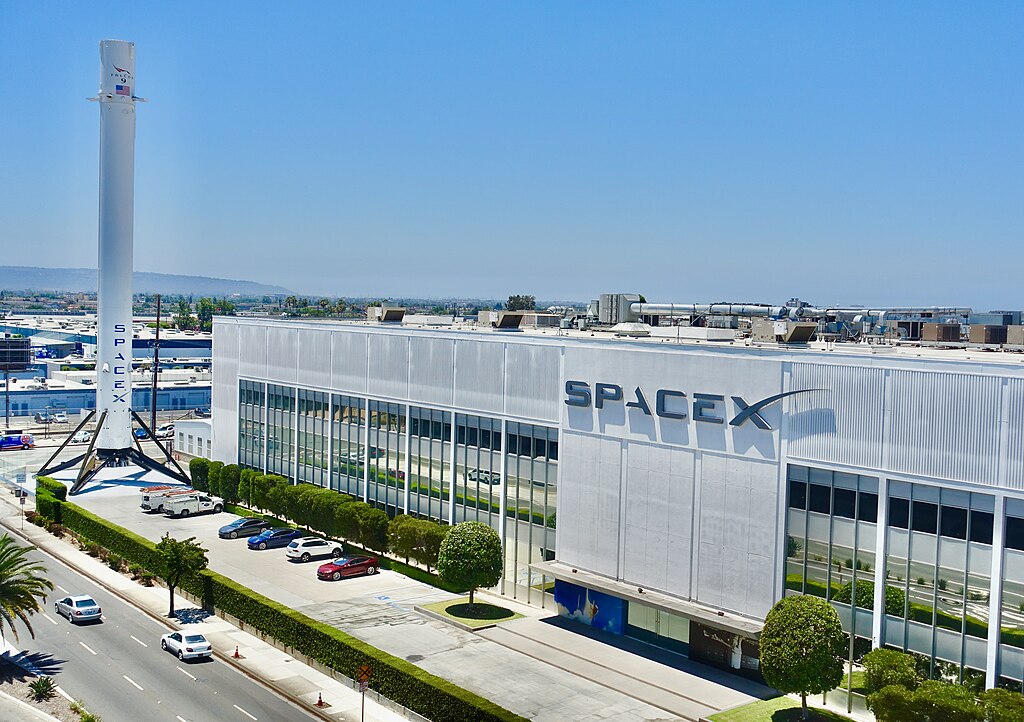
SpaceX CEO Elon Musk has revealed a significant shift in the company’s near-term space exploration strategy, announcing that SpaceX is now prioritizing the development of a “self-growing” city on the Moon rather than focusing solely on Mars. In a recent post on social media platform X, Musk stated that a lunar city could realistically be achieved in under 10 years, while building a sustainable city on Mars would likely take more than two decades.
According to Musk, the Moon’s proximity to Earth makes it a more practical destination in the short term. Shorter travel times, easier logistics, and more frequent launch windows position the Moon as a stepping stone for humanity’s long-term expansion into space. He emphasized that SpaceX’s engineering and launch capabilities make lunar development more achievable within the next decade compared to the challenges posed by Mars.
Despite this shift in focus, Musk reiterated that Mars remains a core part of SpaceX’s long-term vision. He said the company will continue to “strive to build a Mars city” and expects meaningful work on the project to begin within the next five to seven years. Musk has previously highlighted Mars colonization as a central mission for SpaceX and has claimed as recently as 2025 that an unmanned mission to Mars could launch by the end of 2026. However, the company has so far shared limited concrete updates on timelines or technical milestones related to that goal.
Musk’s comments arrive at a pivotal moment for SpaceX, as the company prepares for a potential initial public offering later this year. Reports suggest the IPO could raise as much as $50 billion and value SpaceX at approximately $1.5 trillion, which would make it the largest public offering in history. Such a move would further cement SpaceX’s role as one of the world’s most influential private space contractors.
Adding to its ambitious roadmap, SpaceX recently announced plans to acquire Musk’s artificial intelligence company, xAI, and is exploring the development of data centers in space. Together, these initiatives signal a broader vision that blends space exploration, advanced technology, and long-term infrastructure beyond Earth, with the Moon now taking center stage in SpaceX’s evolving strategy.







